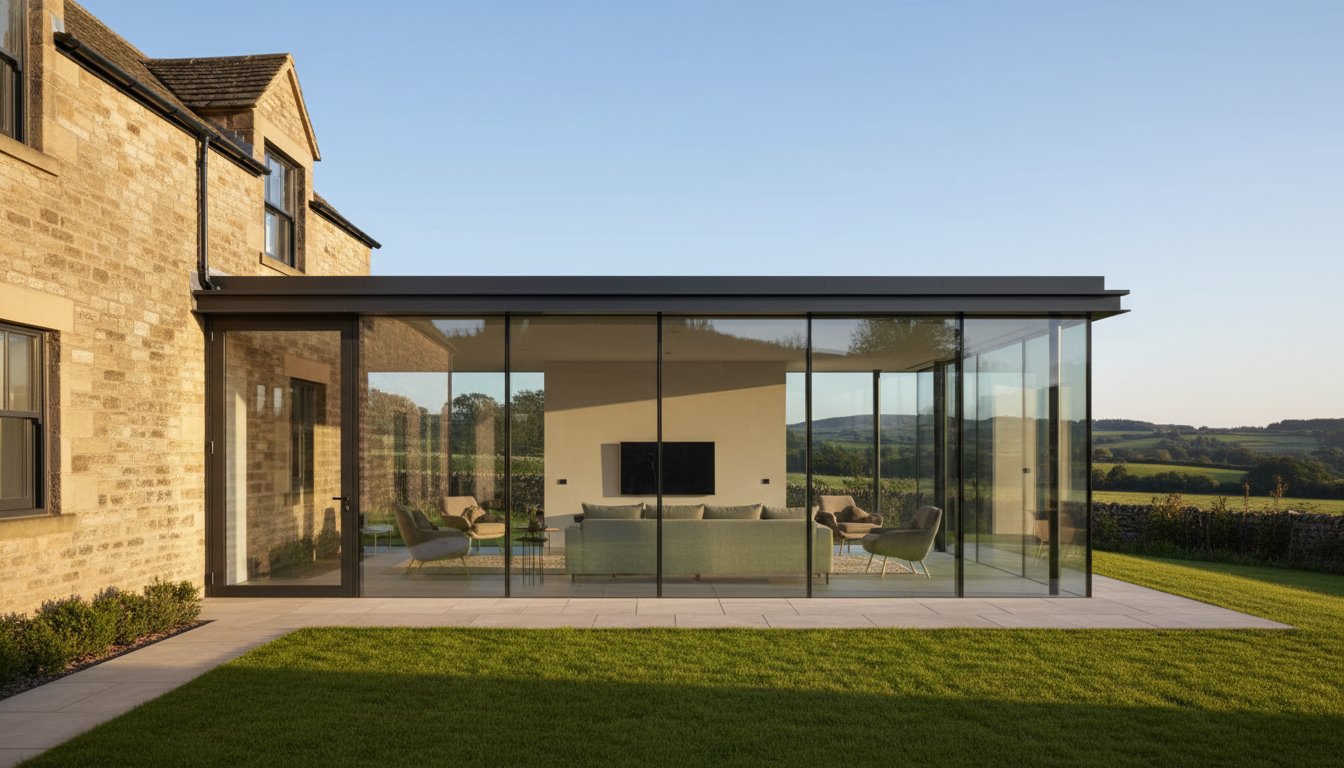
Most homeowners assume a traditional brick extension is the only way to add value and space to their property. However, in the unique light of the Dales, the "obvious" choice of bricks and mortar often leads to dark, disconnected interiors that fail to do justice to our heritage architecture. You want more room for your family; yet, the prospect of a ten month building programme and the loss of natural light in your existing kitchen is enough to stall any project. It's a common dilemma across North Yorkshire, where preserving the character of a stone cottage or a Victorian terrace is as important as adding square footage.
Discover how a bespoke glass room offers a faster, brighter, and more planning friendly alternative to traditional masonry. We will examine the practical benefits of high performance glazing, including why choose a roof lantern instead of an extension in Yorkshire to flood your home with light while avoiding the disruption of a full scale construction site. While a brick build can drag on for up to 40 weeks, a modern glass room is often completed in just three weeks. This guide explains how to achieve a 7% increase in property value with a design that complements our local landscape perfectly.
Key Takeaways
- Reduce build disruption significantly with a glass structure that avoids the months of mess associated with heavy masonry work and traditional building sites.
- Learn why choose a roof lantern instead of an extension in Yorkshire to bypass lengthy planning delays in heritage zones whilst ensuring your new room remains bright all year round.
- Enhance your home’s architectural appeal using slimline aluminium systems designed to complement the unique character of Yorkshire stone and heritage properties.
- Ensure your project is a success by identifying the technical requirements for thermal efficiency, helping you avoid the "7 costly mistakes" of poor glazing choices.
- Gain a versatile, light-filled living space that connects your interior to the garden, providing a modern lifestyle upgrade without compromising your property’s traditional charm.
Understanding the Choice: Glass Rooms vs Traditional Extensions in Yorkshire
Yorkshire homeowners often face a difficult trade-off. They need more space for growing families or home offices, yet they fear the "tunnel effect" caused by solid roofs and brick walls. In cities like Leeds and Sheffield, many properties feature beautiful, deep floor plans that already struggle with natural light in the centre. Adding a standard brick extension often compounds this problem, turning a once-cosy kitchen into a dim, cave-like space. When considering how to add value to your property, you might wonder why choose a roof lantern instead of an extension in Yorkshire, especially if your goal is to maintain the flow of natural light throughout the year.
A glass room represents a shift toward architectural glazing. It isn't just an "add-on"; it's a high-performance living area designed to capture every available hour of Northern sunshine. Whilst a brick wall acts as a barrier, a glass room acts as a portal. This allows for a genuine indoor-outdoor lifestyle, making your garden feel like part of the home even when the weather in the Dales is doing its worst. Many families are now opting for these transparent structures to avoid the "closed-in" feeling that traditional masonry creates.
What Exactly is a Modern Glass Room?
Unlike the draughty, plastic conservatories of the 1990s, a modern glass room is a sophisticated structural feat. It uses slimline aluminium frames and high-performance toughened safety glass to maintain thermal efficiency. If you are researching what is a sunroom, you will find that modern British versions are built to strict Building Regulations for year-round use. These structures often incorporate Aluminium Sliding Doors to create vast, unobstructed openings. This design philosophy explains why choose a roof lantern instead of an extension in Yorkshire; you gain the height and light of a lantern without the heavy, light-blocking ceiling of a solid roof extension.
The Problem with Traditional Brick Extensions
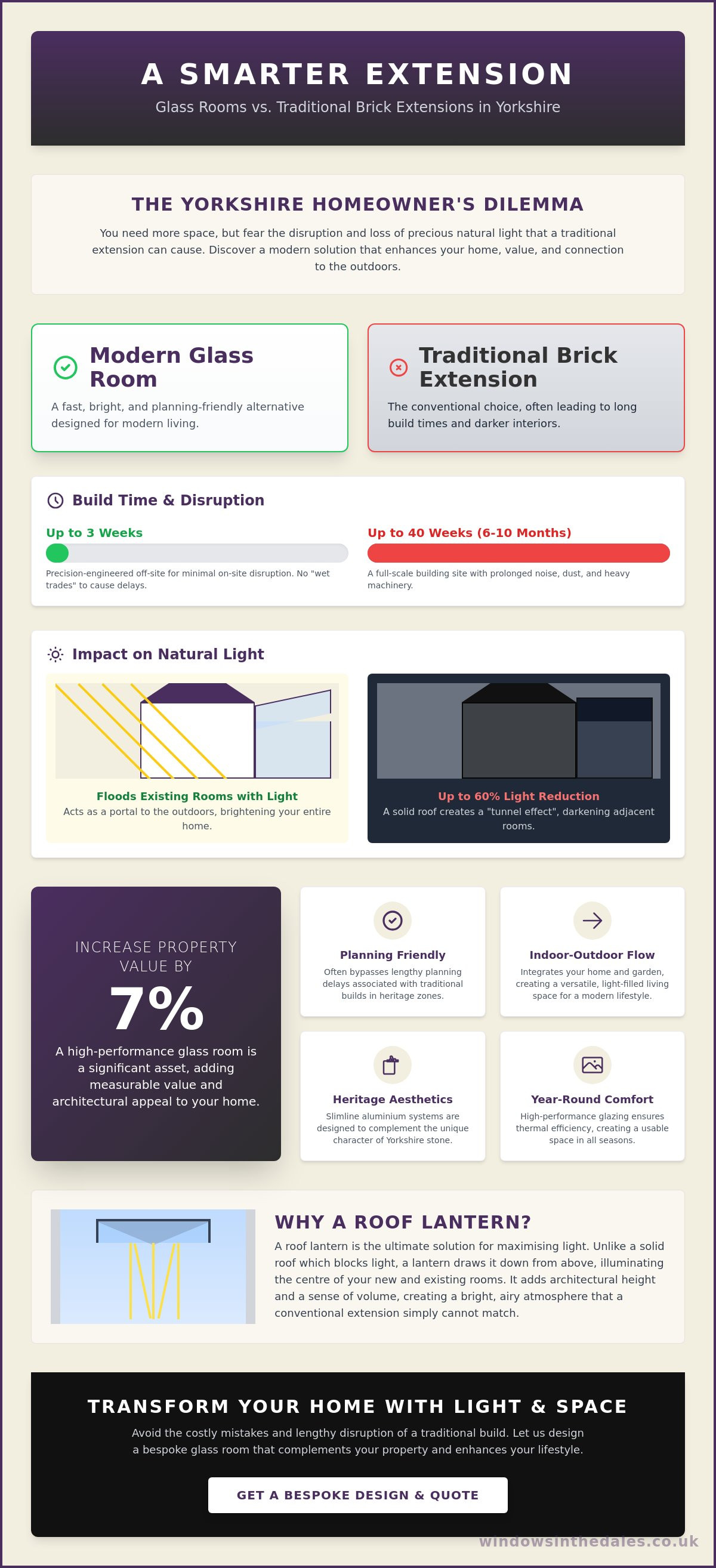
Traditional extensions require significant structural intervention. You are looking at deep foundations, heavy steel lintels, and a construction period that typically spans 6 to 10 months. During this time, your home is a building site. Dust, noise, and heavy machinery are part of the daily routine. Beyond the disruption, there is the permanent loss of light. A solid roof extension can reduce the light entering your existing rooms by up to 60%. In a climate where we cherish every bright day, choosing a glazing-led solution ensures your home remains vibrant and welcoming rather than shadowed and enclosed.
Speed, Cost, and Disruption: Why Glass Rooms Win the Practical Race
A traditional brick extension is a massive undertaking. It often takes between 6 and 10 months from the first spade in the ground to the final coat of paint. In contrast, a bespoke glass room can be installed in just 2 to 3 weeks. This speed isn't about cutting corners; it's about modern engineering. By choosing a glazing-led structure, you bypass the unpredictable "wet trades" that often cause delays during Yorkshire's rainy months. You gain a functional room in a fraction of the time, allowing you to return to normal family life much sooner.
Initial quotes for brickwork often hide the true scale of the investment. A traditional extension requires internal plastering, extensive electrical wiring, skirting boards, and multiple rounds of decorating. These "hidden costs" can add thousands to your final bill. A glass room is a finished architectural product. Once the slimline aluminium frames are set and the glazing is secured, your space is essentially complete. This efficiency is a major reason why choose a roof lantern instead of an extension in Yorkshire; you invest your budget into high-end, durable materials rather than months of labour and internal finishing.
Build Time and Installation Efficiency
Our components are precision-engineered off-site. This means our teams spend less time at your property in York or Harrogate, reducing the impact on your driveway and garden. We organise every stage to ensure the structural frame and glazing are secured quickly and safely. Installation speed is the primary benefit for homeowners who want to enjoy their new space without losing an entire year to a construction project.
Disruption to Daily Life
You don't need to move out or seal off half your home for months on end. A traditional build brings heavy machinery, skips, and constant dust into your living space. Glass room installations are remarkably clean. There is no bricklaying mess or plasterer's "splash" to worry about. Our installers pride themselves on professional behaviour and leave your home as tidy as they found it. If you want to see how we manage this process, you can view our recent case studies for local inspiration. It's also vital to check UK planning permission rules to see how these faster builds fit within your local authority's guidelines.
Navigating Planning Permission in Leeds, York, and Harrogate
Yorkshire's planning landscape is famously complex. From the medieval streets of York to the Victorian villas of Harrogate, local councils are protective of our architectural heritage. However, modern glazing solutions often provide a smoother path through the bureaucracy. Whilst a brick extension can feel like a permanent alteration to a property's footprint, a glass room is frequently viewed as a more sympathetic addition. Understanding the benefits of modern glazing is essential when presenting your case to North Yorkshire or Leeds City Council planners. Many clients ask why choose a roof lantern instead of an extension in Yorkshire to avoid the "Principal Elevation" traps that often delay traditional masonry projects.
It is a common myth that glass structures bypass all regulations. Every project requires Building Regulations approval to ensure it is structurally sound and energy-efficient. You should budget between £2,000 and £4,000 for these submissions. Unlike solid habitable rooms, glass rooms are designed to meet specific thermal standards that allow for maximum transparency whilst maintaining warmth. This technical distinction is often what makes them more viable for properties with limited "light rights" or those overlooking neighbouring gardens.
Permitted Development in Yorkshire
Most residential properties in West and North Yorkshire enjoy Permitted Development rights. For a detached house, you can typically project up to 4 metres from the rear without full planning permission. If your home is terraced or semi-detached, this limit is 3 metres. Since May 2026, the government has made larger allowances permanent, meaning you can extend up to 8 metres for detached homes with a "Prior Approval" notice. We recommend requesting a quote for a professional site assessment to confirm your specific limits.
Dealing with Conservation Areas
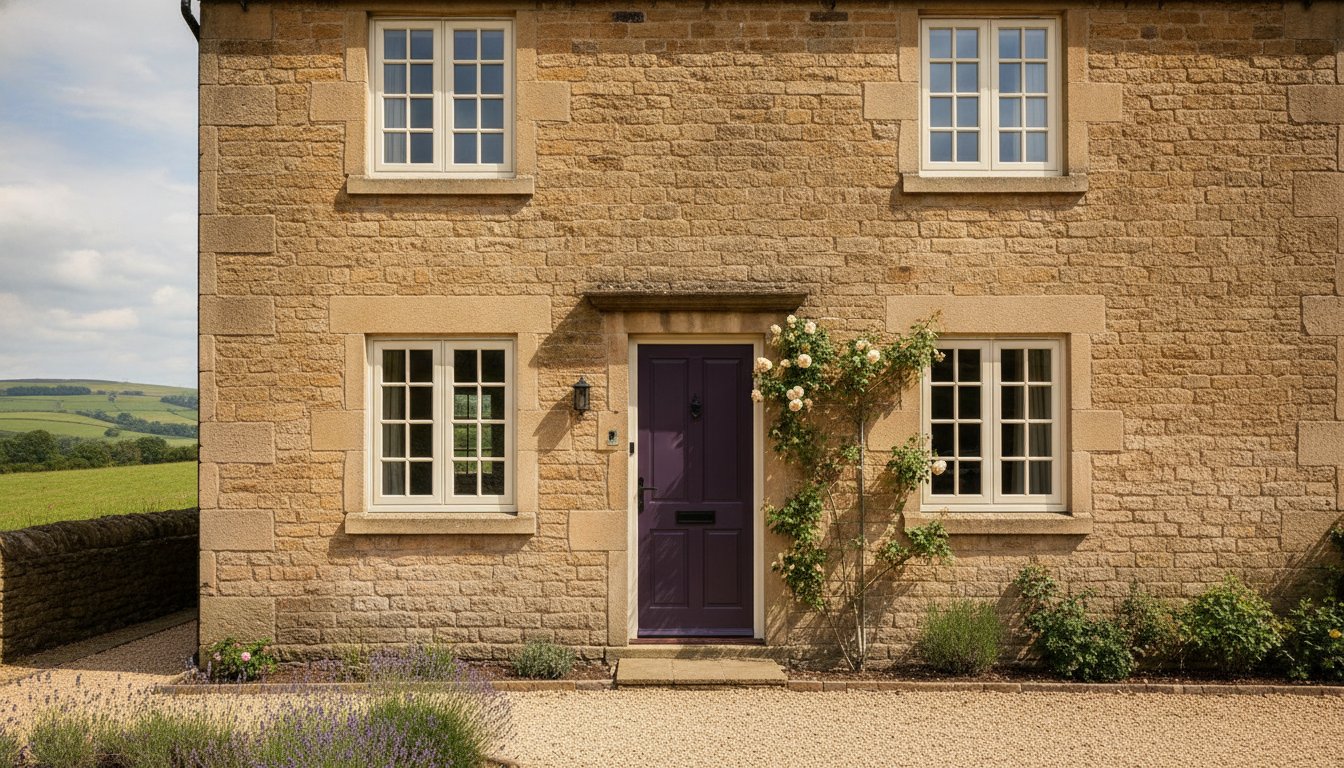
Planners in sensitive zones like Ripon or Beverley often prefer glass rooms because they are considered "reversible" structures. They don't hide the original stonework of a heritage property as much as a brick wall does. Our expertise in Heritage Windows and Doors ensures that even in strict conservation areas, your new space will complement the existing architecture. A slimline glass design often meets with less resistance than a bulky, solid addition that changes the character of a period street.
- Verify if your property is in a Conservation Area or a National Park.
- Check for "Article 4" directions that might have removed your Permitted Development rights.
- Ensure the structure does not exceed 4 metres in height.
- Confirm the extension does not cover more than 50% of the land around the original house.
- Allocate a budget for Building Regulations submission and approval.
Maximising Light and Aesthetics: The Architectural Impact of Slimline Glazing
Brick walls possess a physical and visual "heaviness" that can often overwhelm a garden. In contrast, a glass room uses transparency to create an elegant, lightweight structure that feels integrated rather than attached. This aesthetic lightness is a compelling reason why choose a roof lantern instead of an extension in Yorkshire; you gain architectural drama without the visual bulk of masonry. In urban Leeds renovations and traditional York cottages, we are seeing a 15% rise in "Steel-look" glazing requests as of May 2026. This trend, inspired by industrial heritage, provides slim sightlines that frame the Yorkshire Dales or your private garden like a bespoke piece of art.
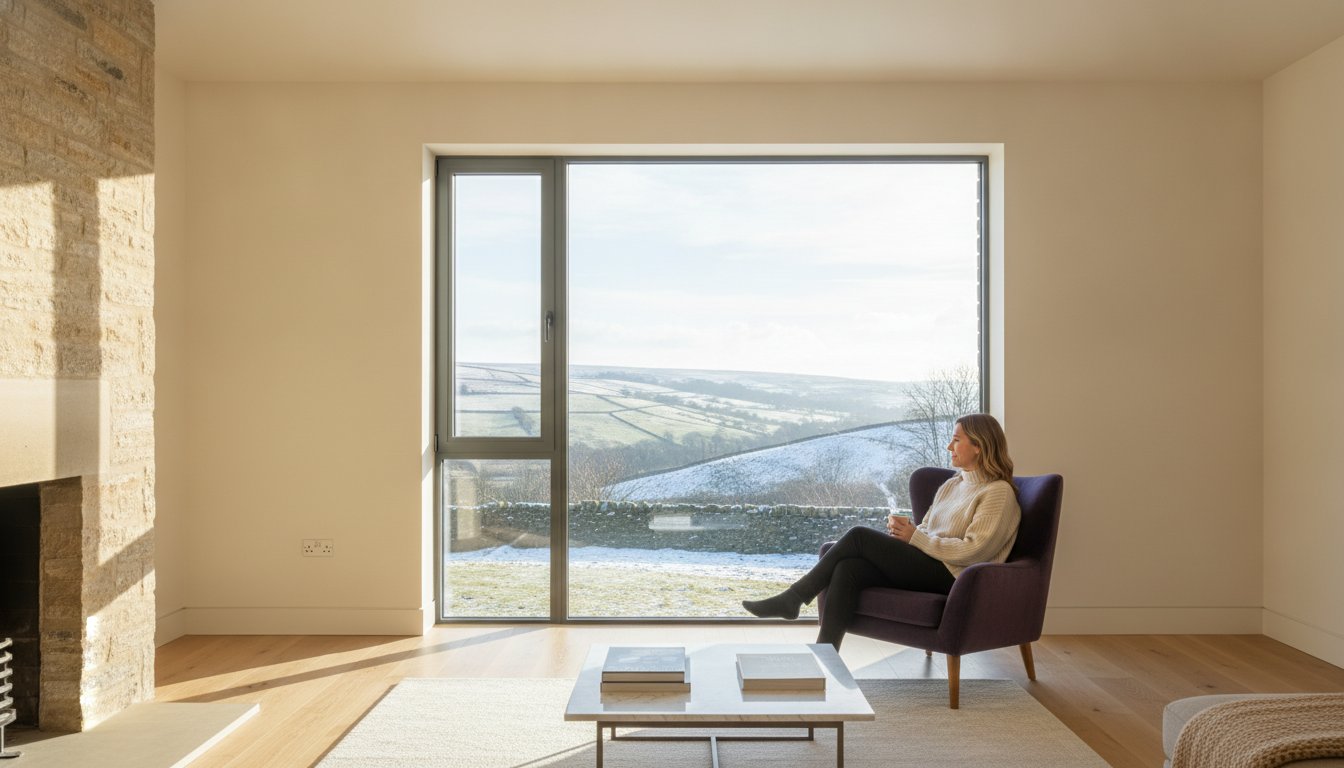
Choosing a glazing-led design allows you to maintain the original character of your home whilst introducing a modern edge. Solid extensions often require thick pillars and deep soffits that block peripheral views. By using high-performance aluminium, we can achieve much larger spans of glass. This creates a panoramic effect that a standard window in a brick wall simply cannot match. It's about more than just adding a room; it's about transforming how you experience the light and landscape of the North.
The Beauty of Slimline Aluminium
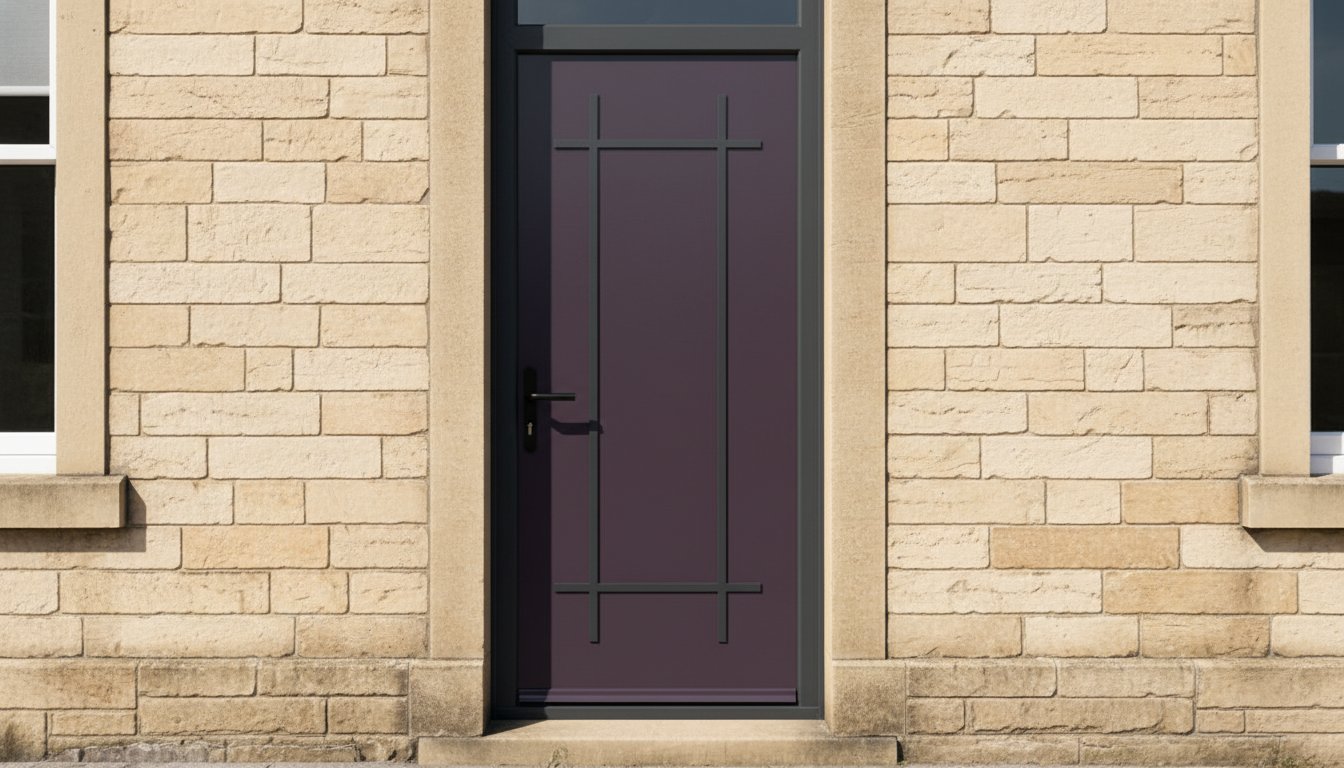
Slimline aluminium frames are the backbone of modern glass rooms. These profiles are incredibly strong despite their narrow appearance, allowing for minimal sightlines that don't distract from the view. We use a sophisticated powder-coating process to offer custom colours such as Anthracite Grey or Heritage Black, ensuring the structure matches your existing window frames or stonework perfectly. You can view our recent case studies to see how these sleek finishes have transformed properties across the region. Aluminium Frames: Maximise your view and modernise your home's exterior with ease.
Thermal Efficiency: Beyond the Conservatory
Modern glass rooms are a world away from the draughty conservatories of the past. We utilise Low-E glass and argon-filled units to ensure superior temperature regulation throughout the year. For south-facing gardens in Sheffield or Doncaster, we recommend solar control glass to prevent overheating during the summer months. The secret to this year-round comfort is "Thermal Break" technology; this is a reinforced polyamide bar positioned between the inside and outside aluminium profiles to stop heat escaping. This ensures your Yorkshire home remains warm in winter and energy-efficient. To start your journey toward a brighter home, request a free quote from our specialist team today.
Designing Your Perfect Glass Room with Windows in the Dales
Creating a light-filled sanctuary requires more than just high-quality glazing. It demands a design that respects the unique character of your property whilst delivering modern performance. Planning a home improvement project in the North requires an understanding of how light, wind, and temperature interact with your specific site. Many homeowners wonder why choose a roof lantern instead of an extension in Yorkshire when they realise that a lantern provides the same focal point as a traditional skylight but with significantly more architectural presence and internal height.
Our approach is consultative. We don't just sell products; we provide a blueprint for a better lifestyle. This involves selecting the right frame colours to match your stonework and ensuring the structural integrity of your new space. By focusing on the details now, you ensure your investment remains durable and beautiful for decades. We take pride in serving our local community with honesty and transparency, moving away from high-pressure sales toward a relationship built on trust.
Avoiding Costly Design Mistakes
The most frequent pitfall for homeowners is choosing the cheapest quote. In May 2026, industry data shows that low-cost installations often use inferior "cold-bridge" aluminium frames that lead to 30% higher heat loss. This results in a room that is unusable for six months of the year. Another common error is ignoring solar gain in the early design phase. Without the correct solar-control glazing, a south-facing glass room can become uncomfortably hot during a Yorkshire summer. Windows in the Dales protects your investment by identifying these "7 costly mistakes" before they happen, ensuring your room is thermally efficient and perfectly ventilated from day one.
Selecting Your Door and Roof Configuration
Your choice of perimeter doors defines how you interact with your garden. Aluminium Bifold Doors allow you to fold away entire walls, creating a 100% clear opening for those perfect summer days. Alternatively, large-span sliding systems offer uninterrupted views even when closed, which is ideal for properties overlooking the Dales. This flexibility is a key reason why choose a roof lantern instead of an extension in Yorkshire; you gain the internal height that makes a room feel truly spacious without the "closed-in" ceiling of a brick build. A high-performance roof lantern acts as a crown for your glass room, flooding the centre of your home with natural light.
Ready to transform your home? Book your free Yorkshire home survey today to start your bespoke design project with our expert team.
Step Into a Brighter, Modern Yorkshire Home
A high-performance glass room is a strategic choice for homeowners who value natural light and architectural elegance over the months of disruption that define traditional brickwork. By opting for a glazing-led structure, you bypass the 40 week construction timelines of masonry and enjoy a fully functional space in just 2 to 3 weeks. This approach preserves the flow of light into your existing rooms whilst adding up to 7% to your property's value.
Understanding why choose a roof lantern instead of an extension in Yorkshire helps you navigate the strict planning rules of our local conservation areas. Windows in the Dales has been proudly serving Yorkshire homes since 2021. As expert Heritage and Slimline glazing specialists, we provide professional installations with minimal disruption to your home. We protect your investment by ensuring your new space remains warm and usable all year round.
Request a Free Quote for Your Yorkshire Glass Room. Your perfect garden view is just a consultation away.
Frequently Asked Questions
Do I need planning permission for a glass room in Yorkshire?
Most glass rooms fall under Permitted Development rights and don't require full planning permission. For a semi-detached house in York, you can typically extend by 3 metres, whilst detached homes allow for 4 metres. Since May 2026, larger allowances of up to 8 metres are permanent via a Prior Approval notice. You must still ensure the structure doesn't exceed 4 metres in height to qualify for these rules.
Is a glass room warm enough to use in the winter?
Modern glass rooms are designed for year-round comfort using high-performance Thermal Break technology. We use argon-filled, toughened safety glass with Low-E coatings to reflect heat back into your living space. These structures meet strict Building Regulations for thermal efficiency, ensuring they remain as warm as a traditional room during a cold Yorkshire winter. This makes them a genuine living space rather than a seasonal addition.
How much does a glass room cost compared to a traditional brick extension?
Glass rooms often provide better long-term value because they require fewer internal trades and finishing works. Industry data from early 2026 indicates the average cost of a glass room extension is between £40,000 and £43,270. A traditional masonry extension often exceeds £70,000 once you factor in the cost of plastering, decorating, and complex structural steels. You invest your budget into high-end glazing rather than months of labour.
Are glass rooms as secure as traditional extensions?
Our glass rooms are incredibly secure and feature multi-point locking systems as standard. We use high-strength aluminium frames and toughened safety glass that is specifically designed to resist impact. These systems are tested to PAS 24 security standards, providing the same level of protection as a brick-and-mortar wall. You don't have to compromise on safety to enjoy the benefits of a light-filled, modern home.
How do I keep a glass room clean and well-maintained?
Maintenance is minimal due to the use of powder-coated aluminium and self-cleaning glass options. The aluminium frames don't rot or rust, so they never require repainting like timber structures. We often specify glass with a special coating that uses UV rays to break down organic dirt, which is then washed away by rain. A simple wipe of the frames twice a year is usually enough to keep the structure pristine.
Can I have a glass room if my house is in a Yorkshire conservation area?
Planners in conservation areas like Harrogate or Ripon often view glass rooms more favourably than bulky brick additions. Because the structure is transparent and technically reversible, it doesn't hide the original heritage stonework of your property. This "lightweight" architectural impact often meets less resistance during the planning process. We specialise in heritage-style glazing that respects the traditional character of Yorkshire's most sensitive architectural zones.
What is the difference between a glass room and a conservatory?
A glass room is a fully insulated, Building Regulations-compliant extension designed for permanent, year-round use. Traditional conservatories are often exempt from these regulations but struggle with temperature extremes in summer and winter. When you decide why choose a roof lantern instead of an extension in Yorkshire, you gain a high-performance space that offers superior thermal efficiency and more natural light than any standard conservatory build.
How long does it take to install a glass room in Leeds or York?
The installation of a bespoke glass room typically takes between 2 and 3 weeks. This speed is possible because the majority of the structural components are precision-engineered off-site before arriving at your property. This efficiency is a major advantage for busy families in Leeds or York who want to avoid the 6 to 10 month disruption period common with traditional brick-and-mortar extensions.