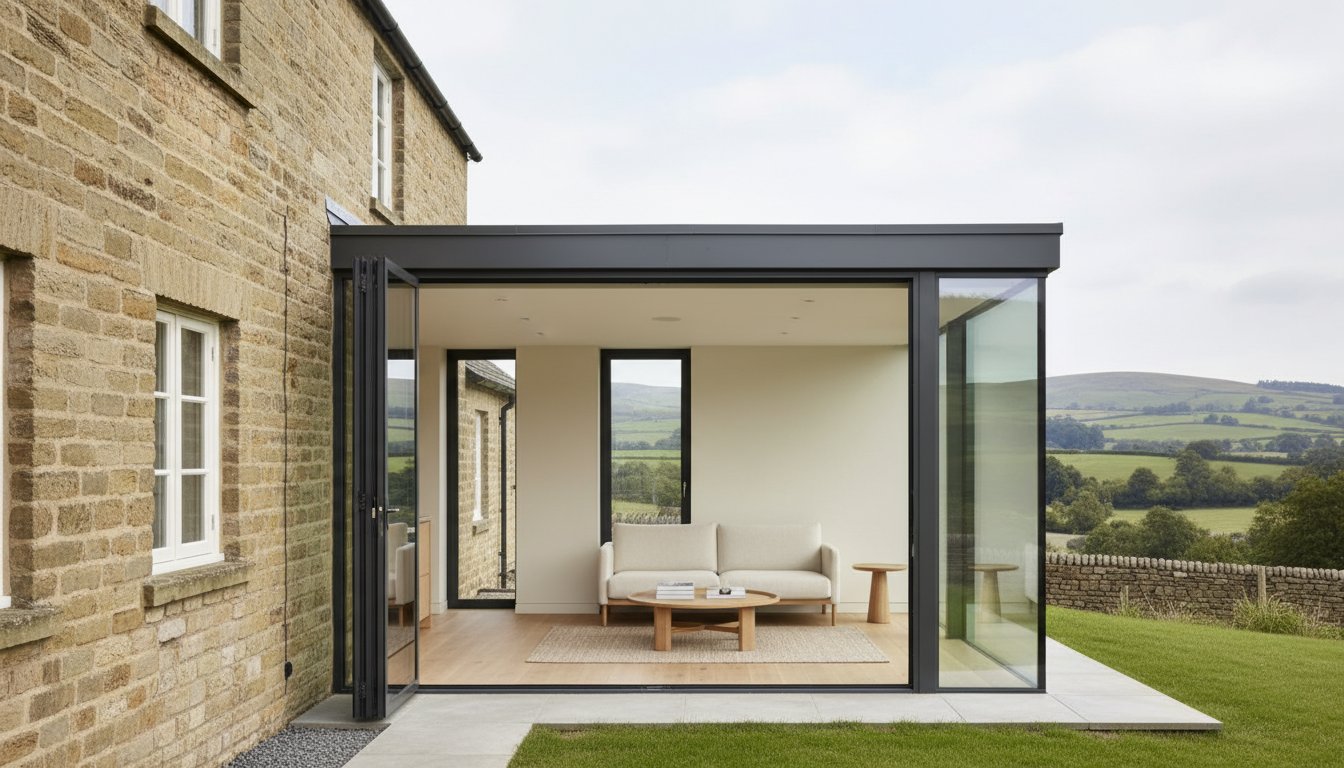
A single set of poorly chosen windows can strip up to 10% from the market value of a period property. It is a common mistake that we see across the region, where the wrong frame profile clashes with historic stone or heritage brickwork. Understanding the nuances of Yorkshire architecture and which aluminium and upvc products will fit best is essential for any homeowner who wants to balance modern comfort with traditional aesthetics. You shouldn't have to choose between a warm home and a beautiful one.
You likely appreciate the rugged character of our local buildings, yet you don't want to spend another winter shivering behind draughty, outdated glass. This guide explains how to perfectly match modern glazing with your home's unique history, from Dales cottages to Leeds renovations. We will explore heritage-approved frames, high-performance thermal glass, and the specific design choices that satisfy strict conservation officers in Harrogate and York. By the end, you will know how to maximise natural light and increase your property value through smart, cohesive design.
Key Takeaways
- Understand how to match high-performance glazing with Yorkshire’s iconic stone and brickwork to avoid a "one-size-fits-all" look that devalues your property.
- Evaluate the thermal performance and durability of different materials to determine Yorkshire architecture and which aluminium and upvc products will fit best for our unique northern climate.
- Gain professional insights into navigating Article 4 Directions and conservation area restrictions in historic centres like York and Harrogate without compromising on modern efficiency.
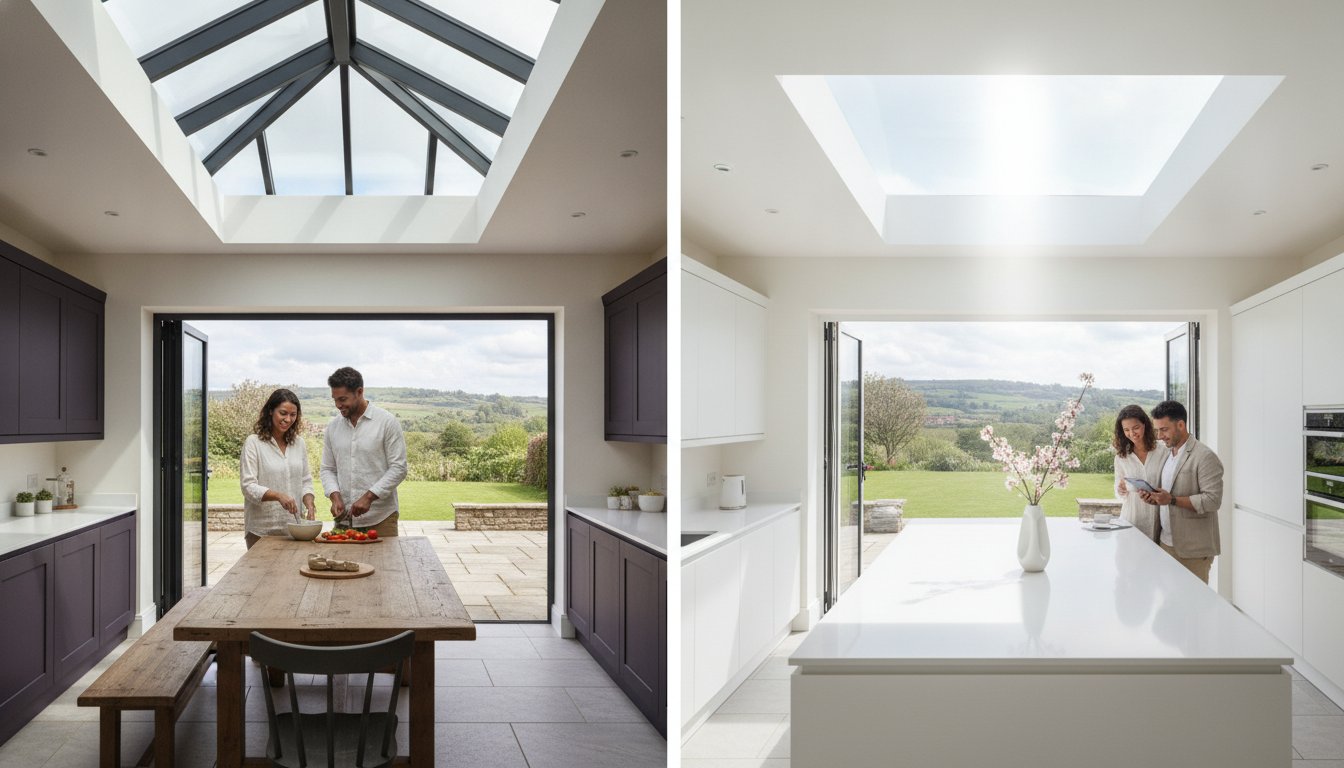
- Discover how to flood your home with natural light using slimline aluminium sliding doors and roof lanterns, perfectly tailored for contemporary Yorkshire extensions.
- Learn why local expertise is vital for a successful installation and how to avoid the common pitfalls and costly mistakes associated with high-volume national window companies.
The Diversity of Yorkshire Architecture: Matching Glazing to Local Stone
Yorkshire’s built environment is a direct reflection of its varied geology. From the rugged heights of the Pennines to the rolling vales, the vernacular architecture of Yorkshire is defined by three primary materials: honey-coloured limestone, dark millstone gritstone, and industrial red brick. Each material possesses a unique light-reflecting quality and texture that demands a specific approach to window design. Many homeowners fall into the trap of choosing "one-size-fits-all" white plastic frames, which is one of the most frequent costly mistakes we see; these generic choices often clash with the heritage of a property and diminish its kerb appeal. Understanding the nuances of Yorkshire architecture and which aluminium and upvc products will fit best is the first step in a successful home renovation.
Architectural glazing in the context of Yorkshire heritage is the precise application of modern frame technology to enhance the structural character and thermal envelope of historic buildings. The goal isn't just to fill an opening, it's to select a frame colour and texture that complements the local masonry rather than competing with it. For instance, a smooth, gloss finish might look out of place against a 200-year-old hand-dressed stone wall, whereas a textured or wood-grain finish anchors the window within the facade.
Gritstone and Limestone: Traditional Dales Aesthetics
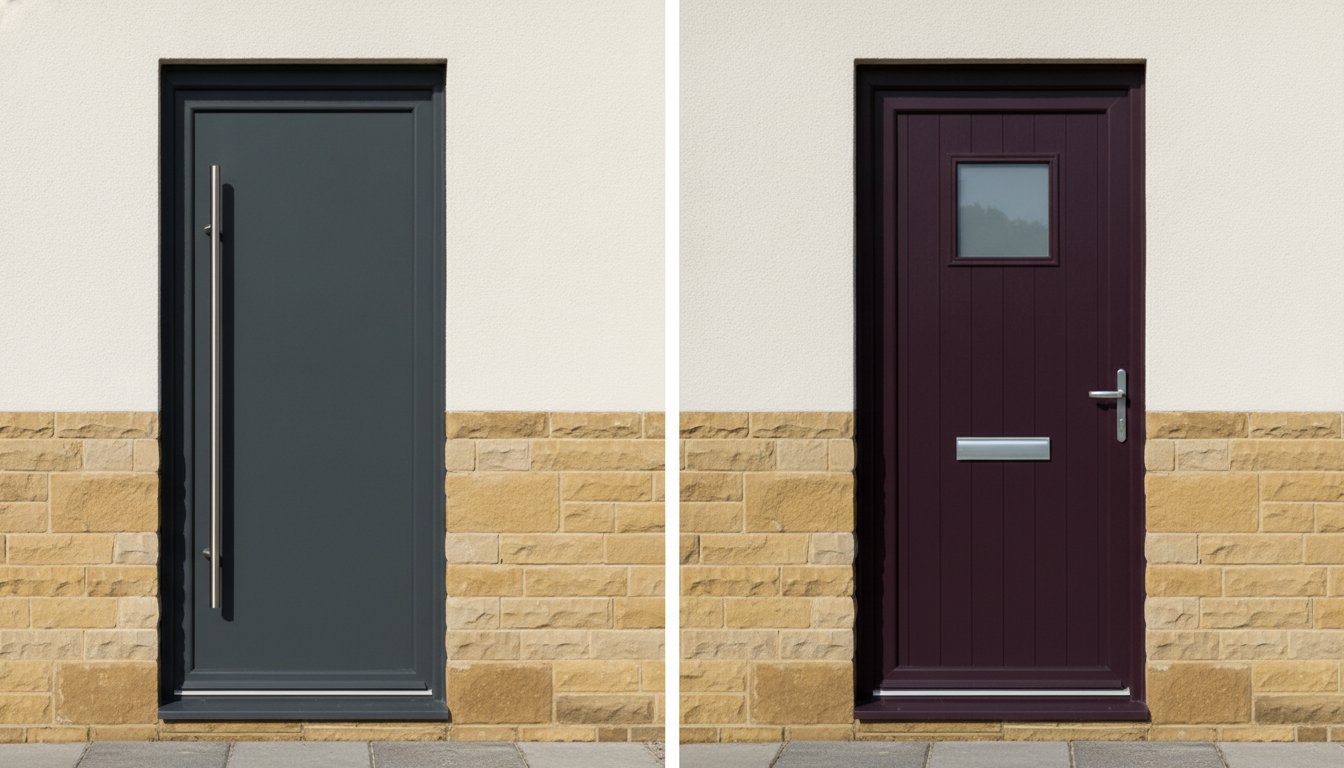
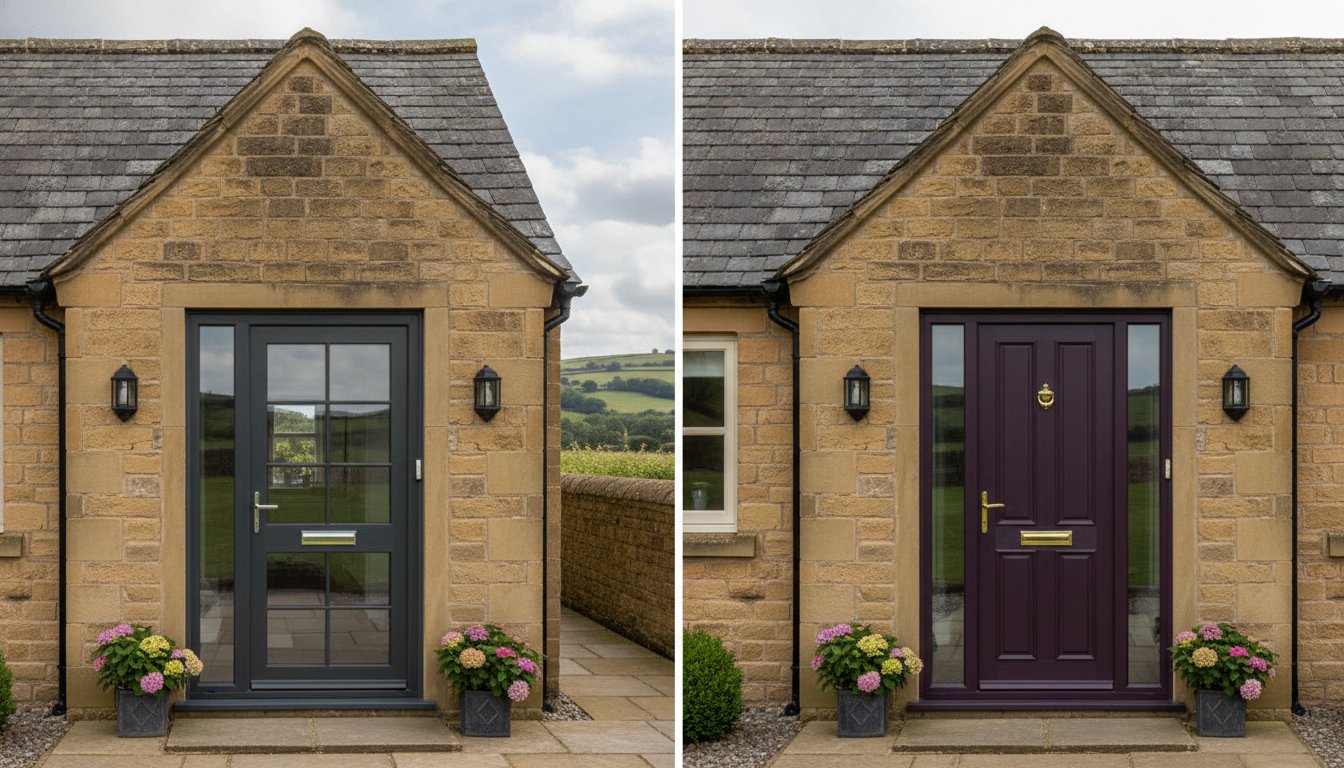
Properties in the North York Moors or the Dales often feature heavy, porous stone that requires a sensitive touch. Dark gritstone, common in the Pennines, has a somber, commanding presence. Pairing this with slimline aluminium in Anthracite Grey provides a sharp, contemporary contrast that respects the stone's weight. Conversely, the softer, warmer tones of limestone cottages in areas like Malham or Grassington are better served by wood-grain uPVC flush casements in Agate Grey or Heritage Cream.
- Aluminium Slimline Windows: Minimise frame visibility to let the rugged texture of gritstone take centre stage.
- uPVC Flush Casements: Provide the authentic look of timber with the maintenance-free benefits of modern polymers.
- Thermal Performance: Upgrade to A-rated glazing to eliminate the damp and draughts often associated with older stone builds.
Victorian Red Brick: Urban Elegance in Leeds and Sheffield
The industrial heritage of Leeds and Sheffield is written in red brick. These Victorian and Edwardian terraces were originally designed with vertical proportions and ornate detailing. When renovating these homes, "Steel-look" aluminium has become the gold standard for rear extensions, offering a nod to the region's manufacturing past whilst providing expansive glass spans. For the front elevation, maintaining period charm is vital. White or cream uPVC sash windows, complete with authentic run-through horns, ensure the property retains its 19th-century identity.
- Steel-look Aluminium: Create a striking industrial aesthetic for modern kitchen-diner extensions.
- uPVC Sliding Sash Windows: Retain original proportions while significantly improving acoustic insulation in busy urban areas.
- Proportional Balancing: Use horizontal glazing bars to mimic traditional layouts, ensuring new windows don't look like "blank" holes in the brickwork.
By choosing products that align with these regional characteristics, you protect your investment and celebrate the local landscape. Whether you are looking at aluminium systems for a sleek finish or uPVC options for traditional warmth, the right choice starts with the stone.
Aluminium vs uPVC: Performance in the Northern Climate
Yorkshire homes face some of the most demanding weather conditions in the UK. From the biting Pennine winds to the persistent horizontal rain in the Dales, your choice of window material is a frontline defence. Understanding the technical differences between aluminium and uPVC helps you avoid costly mistakes and ensures your home remains a sanctuary. We focus on how these materials react to our local environment so you can make an informed investment.
Thermal Efficiency and Energy Bills
Thermal performance is measured by U-values; the lower the number, the better the frame retains heat. High-performance glazing is essential for older stone homes where the "cold bridge" effect often leads to damp and drafts. By 2026, UK building regulations are expected to mandate even stricter efficiency standards for replacement windows to meet Net Zero targets. This makes future-proofing your home a priority today.
- Triple Glazing: A vital upgrade for properties in elevated Dales locations to combat extreme wind chill.
- Thermal Breaks: Modern aluminium systems use polyamide sections to separate the inner and outer frame. This prevents heat from escaping through the metal.
- Energy Ratings: Both materials now easily achieve A+ ratings, keeping your heating bills manageable during long Yorkshire winters.
Longevity and Structural Integrity
When considering Yorkshire architecture and which aluminium and upvc products will fit best, structural strength is a deciding factor. Aluminium is the preferred choice for oversized sliding doors or large panoramic windows. Its inherent strength allows for slimmer frames that don't flex or rattle when the wind picks up in exposed valleys. It provides a sleek, modern aesthetic that maximises natural light without compromising safety.
The evolution of uPVC products has been equally impressive. Modern frames don't warp, peel, or discolour like the budget versions seen in the 1990s. They use advanced stabilisers to withstand intense UV rays and heavy frost. For coastal properties in Hull or Beverley, uPVC is exceptionally resilient against salt air corrosion. Aluminium is also highly durable in these areas, provided it has a marine-grade powder coating to protect the finish. Whether you choose the slim lines of metal or the practical warmth of high-grade plastic, both options offer a low-maintenance life cycle of 30 years or more.
Ready to see how these materials look on a real project? You can request a free quote to get expert advice tailored to your specific postcode and property style.
Heritage Solutions for York and Harrogate Conservation Areas
York and Harrogate house some of the most protected streets in the North. If you live in a designated conservation zone, you'll likely face an Article 4 Direction. This legal tool removes your usual permitted development rights; it means you can't simply swap out windows without formal permission. Understanding Yorkshire conservation area regulations is the first step to avoiding a costly legal headache. When navigating Yorkshire architecture and which aluminium and upvc products will fit best, local expertise is your greatest asset in avoiding enforcement notices. We've seen many homeowners make the mistake of installing standard frames, only to be told to remove them at their own expense.
Many residents worry the planning office will only approve expensive timber. This isn't the case in 2024. Modern engineering allows us to replicate the aesthetic of 19th-century joinery using advanced, low-maintenance materials. When considering Yorkshire architecture and which aluminium and upvc products will fit best, the focus must be on visual authenticity. High-end uPVC and aluminium are now frequently accepted by local authorities, provided they respect the original character of the property and its surrounding streetscape.
Authentic Heritage Features
To satisfy a conservation officer, the fine details are everything. For Victorian and Georgian properties, we recommend uPVC sliding sash windows featuring mechanical joints. Unlike standard diagonal welds, these mimic the traditional timber "butt joint" perfectly. You should also specify run-through sash horns; these are integral to the frame and provide a seamless period look. For those seeking an industrial or Art Deco vibe, our Heritage Doors and windows offer the iconic steel-look. These feature ultra-slim sightlines and authentic Georgian bars that provide the character of original metal frames without the significant heat loss, whilst still maximising natural light in deeper floor plans.
Working with Local Authorities
Success with local councils in Harrogate or York depends on a "like-for-like" approach. This doesn't mean you're forced to use wood, but you must match the original proportions and opening mechanisms. We've found that planning officers are much more likely to approve a project when provided with detailed section drawings that highlight slim profiles. Don't just submit a generic brochure. Show the council how the new product respects the building's history. We've guided many clients through this process, resulting in successful heritage installations that maintain property value while boosting thermal efficiency. You can see how these modern materials blend into historic settings by browsing our case studies.
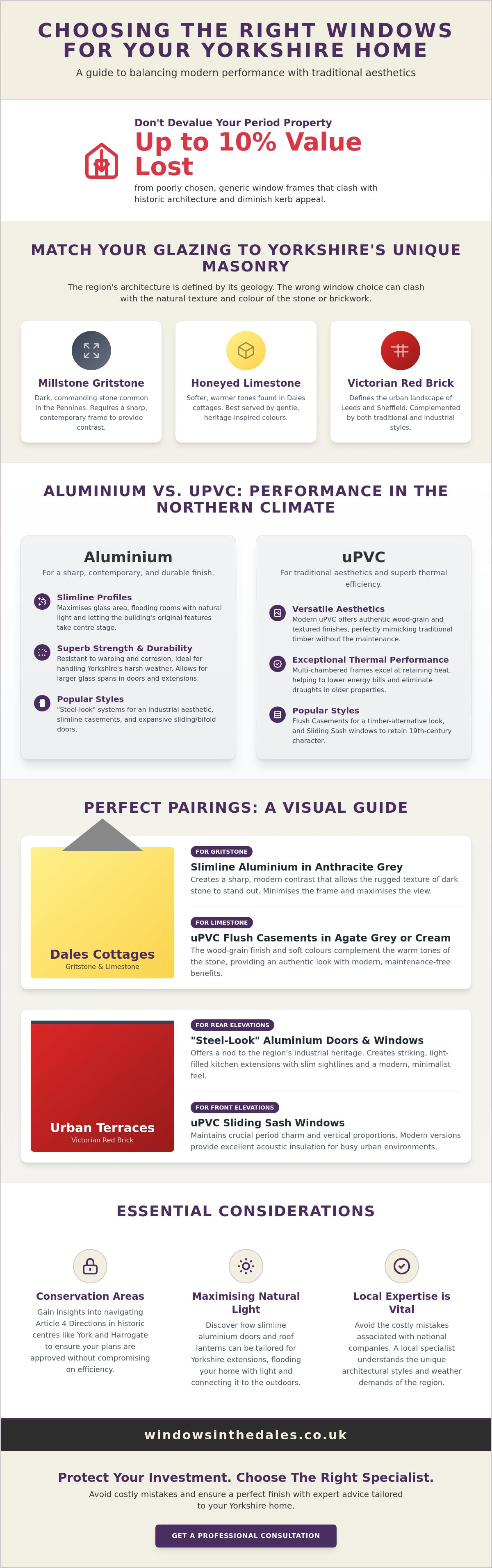
Maximising Light: Modern Trends for Yorkshire Extensions
Modern Yorkshire architecture has shifted away from the small, heat-retaining windows of the past toward expansive glass walls that celebrate our unique landscape. Homeowners are now prioritising the "outdoor-indoor" lifestyle, turning traditional stone-built homes into light-filled sanctuaries. Understanding Yorkshire architecture and which aluminium and upvc products will fit best is essential when planning these transformations. The goal is to blend the rugged exterior of a Dales cottage or a Leeds terrace with a contemporary, airy interior that feels connected to the garden.
Aluminium Bifolds and Sliding Systems
To truly capture the rolling views of the Dales, ultra-slim aluminium profiles are the industry standard. These systems provide the structural integrity needed for large spans of glass without the bulky frames associated with older materials. Aluminium Doors offer a versatile solution for summer entertaining; bifolds allow you to fold away an entire wall, merging your kitchen with the patio. If your garden orientation is particularly windy or exposed, large-scale sliding doors might be more practical. They offer even more glass and fewer vertical bars, ensuring your view remains unobstructed during the winter months.
Roof Lanterns and Glass Balustrades
Kitchen extensions often suffer from dark spots in the centre of the room. Architectural roof lanterns solve this by adding significant height and volume to flat-roof designs. A well-positioned roof lantern can increase internal natural light levels by up to three times compared to standard vertical windows. For homes built on sloped Yorkshire plots, using glass balustrades is a design masterstroke. They provide necessary safety for raised decking or balconies whilst ensuring your line of sight to the horizon stays clear. These products work together to create a sense of limitless space, even in compact suburban gardens.
Planning a glass-heavy extension requires a protective approach to your investment. Don't fall into the traps that often plague ambitious home improvements. We've identified the 7 costly mistakes to avoid:
- Ignoring Thermal Efficiency: Low-quality glazing leads to "greenhouse" summers and freezing winters.
- Poor Drainage Planning: Failing to account for Yorkshire's rainfall can lead to threshold leaks.
- Wrong Orientation: Installing massive glass walls on south-facing rooms without solar-control coatings.
- Cheap Hardware: Choosing handles and rollers that corrode in damp Northern climates.
- Structural Oversight: Not reinforcing the aperture correctly for the weight of premium aluminium.
- Incompatible Aesthetics: Choosing frame colours that clash with local gritstone or limestone.
- Non-Local Installers: Using contractors who don't understand the specific wind-load requirements of the Dales.
Your home deserves a bespoke approach that respects its heritage whilst embracing modern living. If you're ready to transform your living space with expert guidance, request a free quote from our specialist team today.
Choosing the Right Specialist for Your Yorkshire Project
Selecting the right partner for your home improvement is just as critical as the materials you choose. A true "Yorkshire footprint" goes beyond simple geography; it's an understanding of how our regional weather patterns and unique stone structures interact with modern glazing. Many national volume installers focus on high-speed turnover, often overlooking the subtle structural nuances of a 19th-century gritstone cottage or a contemporary Harrogate extension. This lack of local insight can lead to installations that feel out of place or fail to stand up to the driving rains of the Dales.
To ensure your investment is protected, your chosen specialist should provide more than just a competitive price. You need to look for specific markers of quality and accountability. Use this checklist before signing any contract:
- FENSA Certification: This ensures the installation complies with building regulations and is energy efficient.
- Insurance-Backed Guarantees: A guarantee is only as good as the company behind it. Ensure yours is protected even if the installer ceases trading.
- Local Reviews: Look for feedback from projects in nearby towns like Skipton, Ilkley, or Ripon to verify their regional reputation.
- Technical Knowledge: They should be able to explain the "U-values" of their products and how they meet current UK thermal standards.
Choosing a specialist who understands Yorkshire architecture and which aluminium and upvc products will fit best ensures your home remains both beautiful and weather-tight for decades.
The Value of Professional Installation
Precision is everything when dealing with high-performance materials. Poor fitting can ruin the thermal efficiency and security of even the most expensive aluminium frames. If a slimline bifold door isn't perfectly level, the tracking mechanism will wear prematurely, leading to costly repairs. We always recommend visiting a local showroom. Touching physical product samples allows you to feel the weight of the frames and the smoothness of the hardware. At Windows in the Dales, our commitment to Yorkshire craftsmanship means we don't cut corners. We treat every installation as a long-term addition to the local landscape.
Next Steps for Your Home
Starting your project is a straightforward process. You can request a quote by providing your basic project details and preferred styles. For homeowners in Leeds or Harrogate, a home consultation is the best way to get an accurate assessment. We'll measure your apertures, check for structural requirements, and discuss how to maximise natural light. If you're looking for inspiration, viewing our case studies shows how we've successfully navigated Yorkshire architecture and which aluminium and upvc products will fit best for various property types across the region.
Transform Your Property With Authentic Local Expertise
Selecting the right frames requires more than just an eye for style; it demands a deep understanding of Yorkshire architecture and which aluminium and upvc products will fit best for your specific postcode. Whether you're navigating the strict planning regulations of Harrogate conservation areas or seeking slimline steel-look aesthetics for a modern Dales extension, your choice impacts both property value and thermal performance. High-performance aluminium offers sleek modern lines, whilst premium uPVC provides a practical, low-maintenance solution for traditional gritstone cottages.
Windows in the Dales has been proudly serving Yorkshire since 2021. We're specialists in heritage glazing and steel-look designs that respect the character of local stone. Our team possesses expert knowledge of regional planning and conservation requirements, helping you avoid the costly mistakes often associated with generic installations. We focus on maximising light and delivering durable architectural solutions that withstand the unique Northern climate. Start your home transformation with a partner who understands the landscape as well as the technical specifications.
Request a Free Architectural Glazing Quote for Your Yorkshire Home
Your home deserves glazing that reflects its history and secures its future.
Frequently Asked Questions
Do I need planning permission for aluminium windows in a Yorkshire conservation area?
You usually need planning permission to install aluminium windows in a conservation area if you're replacing original timber frames. Local authorities in areas like Harrogate or York often use Article 4 Directions to restrict changes that might alter the historic character of the street. It's vital to consult your local planning office first to avoid the risk of an enforcement notice, which could force you to remove the new windows at your own expense.
Is aluminium or uPVC better for a traditional stone cottage in the Dales?
Heritage-style aluminium is often the superior choice for stone cottages because its slim profiles mimic the original steel or thin timber frames common in the Dales. The choice depends on your specific Yorkshire architecture and which aluminium and upvc products will fit best with the rugged texture of the local stone. While uPVC offers excellent thermal efficiency, aluminium provides the "steel-look" aesthetic that preserves the cottage's historic soul without the bulk of standard plastic frames.
How much more expensive is aluminium compared to uPVC in 2026?
Aluminium remains approximately 35% to 50% more expensive than standard uPVC in 2026. This price difference reflects the higher cost of raw materials and the precision engineering required to create slim, durable frames. However, aluminium's 45-year expected lifespan often makes it a more cost-effective investment than uPVC, which typically requires replacement after 20 to 25 years.
Can modern uPVC windows really look like traditional timber sash windows?
Modern uPVC windows use mechanical joints and authentic woodgrain foils to replicate the appearance of 19th-century timber sash windows. Unlike older versions with diagonal welds, these heritage ranges feature the same vertical joinery found in traditional carpentry. They provide a maintenance-free alternative that fools the eye, offering the classic aesthetic of painted wood without the need for regular sanding or repainting.
What RAL colours are most popular for Yorkshire homes?
Anthracite Grey (RAL 7016) and Agate Grey (RAL 7038) are the most popular choices for Yorkshire homes, accounting for over 60% of modern installations. These muted tones complement the natural gritstone and limestone prevalent in the region. For traditional properties, Chartwell Green and Cream remain the top selections, as they provide a soft, heritage feel that blends seamlessly with the rural landscape of the Dales.
How do I stop condensation on my new windows in the Yorkshire climate?
You can prevent condensation by using trickle vents and ensuring your home has a consistent airflow to manage internal humidity. New windows are significantly more airtight than old ones, meaning moisture from cooking or showering can no longer escape through gaps in the frames. Following the 2022 Part F Building Regulations for ventilation will keep your home dry and protect your new investment from damp issues.
Are slimline sliding doors safe and secure for ground floor extensions?
Slimline sliding doors are exceptionally secure because they're built with toughened safety glass and multipoint locking systems as standard. Most premium aluminium systems are tested to PAS 24:2022 standards, which is the industry benchmark for resistance against forced entry. The frames may be thin, but the high-grade aluminium is incredibly strong and won't flex or bend under pressure, keeping your home safe.
How long does a typical window and door installation take in Leeds?
A standard installation for a three-bedroom semi-detached house in Leeds typically takes between one and two days. Our specialist teams usually install six to eight items per day, ensuring the property is fully sealed and secure before nightfall. The exact duration depends on your specific Yorkshire architecture and which aluminium and upvc products will fit best into your existing structural openings.