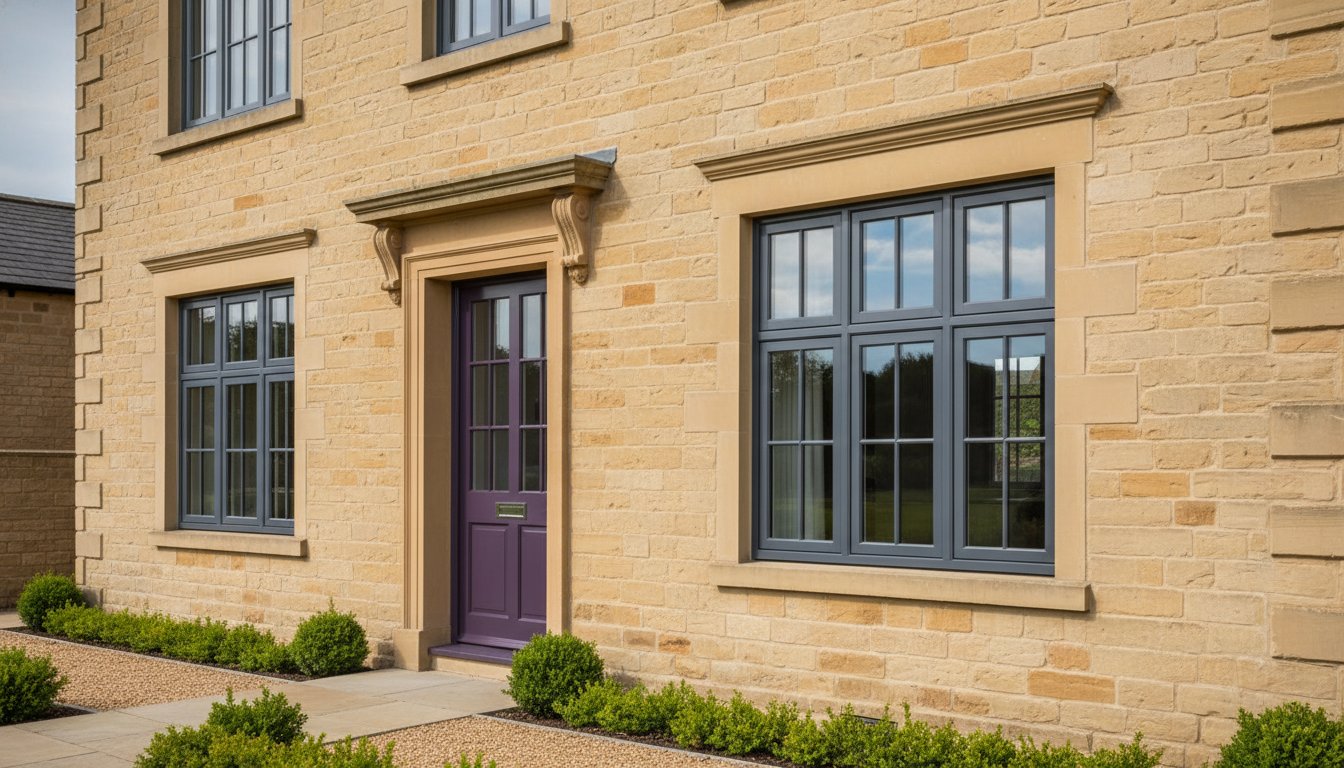
Your home's historic charm shouldn't come at the cost of your comfort or your rising energy bills. Many homeowners in our community feel trapped between preserving the authentic character of their property and the practical need for a warm, draught-free living space. You might find yourself asking: what are heritage style windows? Essentially, these are precision-engineered glazing solutions designed to replicate the slim profiles and elegant proportions of 19th-century timber or steel while utilising advanced materials like aluminium or high-performance uPVC.
We understand that the fear of ruining a facade or falling foul of strict conservation rules is a significant hurdle for many. This guide bridges that gap, showing you how to achieve the timeless aesthetic of traditional joinery without the relentless cycle of sanding and painting. You'll discover how these modern systems improve thermal efficiency and property value while respecting the architectural soul of your home. We'll examine everything from slimline aluminium frames to the latest planning insights for conservation areas, ensuring your investment is both beautiful and legally sound.
Key Takeaways
- Understand what are heritage style windows? by exploring how they replicate 19th-century aesthetics using 21st-century thermal technology to protect your home’s character.
- Identify the critical design features, such as ultra-slim sightlines and authentic Astragal bars, that distinguish true heritage glazing from standard modern replacements.
- Compare the structural advantages of slimline aluminium against the cost-effective benefits of heritage-grade uPVC to find the perfect match for your property’s architectural style.
- Navigate the specific planning requirements for Yorkshire conservation areas, including how Article 4 Directions in Harrogate and York impact your choice of materials.
- Discover why professional local installation is essential for maintaining the architectural integrity of Dales properties whilst ensuring maximum energy efficiency and long-term value.
Defining Heritage Style Windows: Aesthetic Meets Innovation
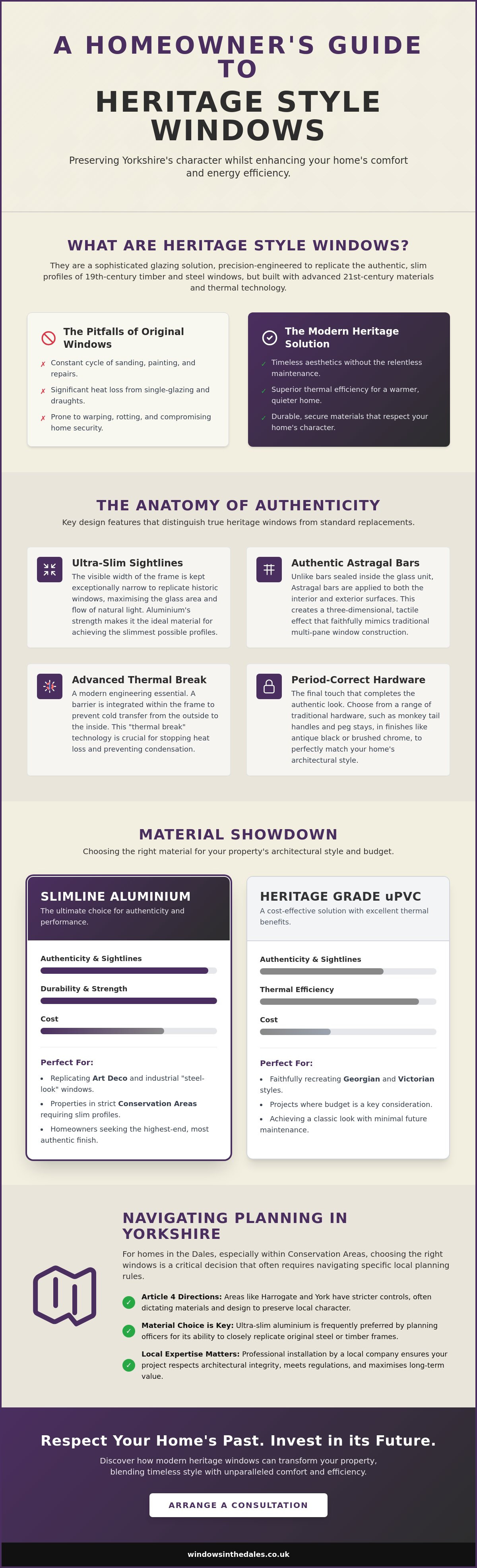
What are heritage style windows? At their core, these systems are precision-engineered to replicate the narrow sightlines and elegant proportions of historic glazing. They serve as a sophisticated alternative to original single-glazed units; providing the charm of the past alongside the high-performance standards of the present. While they are often associated with 19th and early 20th-century architecture, these windows have evolved into a deliberate architectural choice for contemporary Yorkshire homes. The primary goal is simple: achieve an authentic appearance without the relentless maintenance or significant heat loss of original frames.
To understand their appeal, we must look at the history of window design, which transitioned from heavy timber frames to the slender, industrial aesthetics of the Art Deco period. Modern heritage systems allow homeowners in the Dales to maintain this visual legacy without sacrificing warmth. These systems typically replicate three core architectural eras:
- Georgian: Recognised for symmetrical six-over-six pane configurations and delicate bars.
- Victorian: Featuring larger panes of glass and decorative sash details to suit grander openings.
- Art Deco: Defined by the slim, horizontal "steel-look" that dominated the 1920s and 30s.
The Evolution of the "Steel-Look"
The iconic industrial window of the 1920s has seen a massive resurgence amongst Leeds urban renovators. This "steel-look" is characterised by ultra-slim profiles and horizontal glazing bars that maximise natural light. It's vital to distinguish between genuine historic restoration, which involves repairing original metal frames, and "heritage-style" modern installations. Modern aluminium heritage windows offer a more resilient solution. They provide the same striking silhouette but include high-performance glazing that meets current building regulations. This style isn't limited to period properties. It’s increasingly used in new-build projects to add instant character and a high-end, bespoke feel.
Why Traditional Timber Often Fails Homeowners
Original timber windows are often the soul of a property, yet they frequently become a burden. Wood is a natural material. It responds to the harsh Yorkshire weather, leading to warping, rotting, and the need for frequent repainting. These failures do more than just look unsightly; they compromise your home's security and thermal integrity. Unlike original single-glazed timber, heritage-style modern materials incorporate "thermal break" technology. This internal barrier prevents heat from escaping, acting as a protective shield for your living space. Choosing a modern heritage system means you can enjoy the classic aesthetic of timber without the maintenance cycle or the inevitable heat loss of the past.
The Anatomy of a Heritage Window: Key Design Features
What are heritage style windows? They are defined by their intricate architectural details. To truly capture the essence of a period property, you must look beyond the glass and focus on the specific components of the frame. The most convincing heritage systems use a combination of ultra-slim profiles, authentic glazing bars, and period-correct hardware to replicate the look of 19th-century originals. These features ensure your home retains its soul whilst benefiting from modern security and warmth.
A common mistake is choosing internal glazing bars. For a truly authentic finish, you should specify Astragal bars. Unlike Georgian bars that sit inside the sealed glass unit, Astragal bars are applied to the exterior and interior surfaces of the glass. This creates a tactile, three-dimensional effect that mimics traditional multi-pane windows. It is a small detail that makes a massive difference to the final aesthetic of your property.
Slimline Profiles and Sightlines
Sightlines are the visible width of the window frames. In historic homes, these were exceptionally thin. Modern aluminium windows are the ideal solution for replicating this look. The structural strength of aluminium allows for frames that are significantly narrower than standard uPVC; providing more glass area and better natural light. Many heritage designs also feature a stepped profile. This mimics the traditional layered look of old timber sashes and steel casements, adding depth and shadow lines that flat modern windows simply cannot replicate.
Authentic Hardware and Finishes
The right hardware acts as a seal of quality for your installation. Monkey-tail handles and traditional peg stays in a matte black finish are essential for an industrial or cottage aesthetic. For those preferring a timber look, high-performance uPVC windows now come with woodgrain foils. These textured finishes mimic the grain of painted timber so closely that they are often indistinguishable from the real thing.
When selecting a colour, consider your surroundings. Whilst black is popular for urban renovations, heritage shades like Chartwell Green or Clotted Cream often provide a softer, more sympathetic match for Yorkshire stone. Before you commit, it is worth checking the official guidance on Planning permission for windows to ensure your chosen design meets local standards. If you're unsure which features suit your home, you can speak with our local specialists for tailored advice.
Material Choices: Aluminium vs uPVC Heritage Systems
Choosing the right material for your home is a balance of aesthetics, budget, and long-term performance. When asking what are heritage style windows? homeowners often find themselves at a crossroads between two distinct materials. Each offers unique advantages. The frame material dictates how the window behaves over decades of unpredictable Yorkshire weather. It's not just about the look; it's about the structural integrity and the thermal protection of your living space.
We believe in providing a transparent view of your options. Many competitors push a single material because it suits their supply chain. Our focus is on ensuring you make an informed investment that suits your specific property type and architectural goals. Whether you prioritise the industrial edge of metal or the insulating properties of modern polymers, the technology has advanced significantly in recent years.
Aluminium: The Premium Heritage Choice
Aluminium systems are the gold standard for replicating the iconic 1920s steel-look. This material possesses an incredible strength-to-weight ratio. This allows for the largest glass expanses without compromising structural integrity. The frames remain rigid. They don't warp or twist under the weight of high-performance double glazing. A sophisticated powder-coating process creates a finish that resists fading and scratching. It's a "fit and forget" solution. Beyond its durability, aluminium is infinitely recyclable. This makes it the responsible choice for homeowners looking to reduce their environmental footprint while increasing property value.
uPVC: Efficiency and Value
Modern heritage uPVC has completely redefined the "plastic" stigma of the past. High-end heritage sash windows now utilise mechanical butt joints. These mimic the 90-degree joinery of traditional timber rather than the diagonal mitre joints found on standard uPVC products. This detail is essential for maintaining an authentic appearance in older properties. Thermal performance is where this material truly shines. Multi-chambered profiles trap air to create a highly effective thermal barrier. This makes uPVC a smarter choice for budget-conscious renovations where reducing energy bills is a top priority. It provides a warm, draught-free home without the high price tag of specialist metals.
The decision ultimately depends on your property’s specific needs. If you own a grand Victorian terrace or a modern home seeking an industrial aesthetic, aluminium's slimness is hard to beat. For those in more traditional cottages where the look of painted timber is desired, heritage uPVC offers incredible value and warmth. We recommend weighing the long-term investment value of aluminium against the immediate thermal benefits and cost-effectiveness of uPVC to find your perfect match.
Planning Permission and Conservation Areas in Yorkshire
Replacing windows in a historic Yorkshire home is more than a design choice; it is a regulatory process. When residents ask what are heritage style windows? they are often searching for a solution that satisfies strict local councils whilst improving their daily comfort. In cities like York or the spa town of Harrogate, Conservation Areas protect the collective character of our streets. These designations mean that any external change requires careful consideration to ensure the architectural aesthetic remains undisturbed. We act as a guardian for your investment, helping you navigate these hurdles to ensure your home remains both beautiful and compliant.
Article 4 Directions are specific legal tools used by councils to remove "permitted development" rights. If your property is covered by an Article 4 Direction, you cannot change your windows without formal planning permission. This is where the "like-for-like" principle becomes vital. Your new frames must match the originals in material, proportions, and opening style. Planners in our region are increasingly accepting of high-quality aluminium windows or heritage uPVC, provided they respect the building's history.
Listed Buildings vs Conservation Areas
There is a significant difference in strictness between Grade II listing and general conservation areas. Grade II listings are far more restrictive. For Grade I properties, modern replacement is rarely permitted, and secondary glazing often becomes the only viable thermal solution. However, for the majority of Grade II and unlisted period homes, high-quality heritage replicas are now a recognised way to protect the building's fabric while meeting modern thermal standards. Always consult a local specialist before committing to a purchase to avoid costly legal errors.
Working with Yorkshire Planning Authorities
The Yorkshire Dales National Park Authority manages 47 designated conservation areas. They prioritised the preservation of the park's unique vernacular. As of April 2026, a written enquiry to determine if your project falls under permitted development costs £35. If a full householder application is required, be aware that UK government fees increased by approximately 8% on 1 April 2026. When speaking with your local planning officer, use this checklist:
- Is the property subject to an Article 4 Direction?
- Does the council have a preference for specific materials in this street?
- Are slimline double-glazed units or vacuum glass permitted?
- What specific documentation is required to prove "like-for-like" status?
Navigating these regional nuances requires a partner who understands the local landscape. To ensure your project meets every requirement, you can request a quote and planning consultation from our specialist team today.
Transforming Your Home with Windows in the Dales
Investing in your home requires more than selecting a frame from a catalogue. When considering what are heritage style windows?, the answer lies as much in the installation as it does in the design. High-end systems like aluminium windows or heritage uPVC require precision fitting. This ensures the thermal breaks and weather seals perform exactly as intended. A "supply only" model might seem cost-effective initially. However, it often leads to industry pitfalls such as poor alignment or compromised security. We take a protective stance over your investment. Our commitment ensures every unit is installed to the highest standards of Yorkshire craftsmanship, bridging the gap between historic beauty and modern living.
Our team operates across York, Harrogate, and Leeds. We bring a deep understanding of the local architectural landscape to every project. In 2026, the focus has shifted heavily toward meeting the latest Building Regulations Part L for thermal performance. We ensure your heritage-style upgrade doesn't just look authentic but also meets these rigorous modern energy-efficient glazing trends. By grounding our identity in this community, we provide a level of accountability that national retailers cannot match. We believe in transparency and education. You can see the results of this approach by exploring our local case studies. These examples showcase transformations ranging from rural Dales cottages to urban Leeds renovations, highlighting our ability to enhance natural light whilst preserving structural integrity.
Our Yorkshire Roots and Expertise
The "Windows in the Dales" approach is built on reliability and professional authority. We recognise that homeowners in our region are guardians of local history. Whether you are updating a Victorian terrace in York or a farmhouse in the National Park, your glazing must respect the past. We prioritise long-term value over low-cost, short-term fixes. This means using materials that resist the damp Yorkshire climate and hardware that stands the test of time. Our expertise ensures your property remains a warm, secure, and beautiful environment for decades to come.
The Next Steps for Your Project
Starting your project is a straightforward, consultative process. We recommend taking rough measurements of your existing openings. This provides a practical starting point for our initial discussion. Every heritage window is a bespoke creation. We don't believe in "off-the-shelf" solutions. No two period properties are identical. We'll guide you through the selection of Astragal bars, hardware finishes, and colour palettes. This ensures a perfect match for your home's character and the specific masonry of your property.
We are here to act as your expert advisor rather than a high-pressure salesperson. Once you are ready to move from inspiration to action, you can request a quote through our transparent process. Let us help you protect the history of your home whilst preparing it for a sustainable, energy-efficient future.
Securing the Future of Your Yorkshire Home
Your property is more than a building; it's a piece of local history that deserves protection. We've explored the technical details and planning hurdles involved in modern glazing, but the core answer to what are heritage style windows? remains clear. They are a high-performance bridge between the architectural elegance of the past and the thermal demands of the present. By choosing the right materials and respecting the "like-for-like" principles required by our regional councils, you can eliminate draughts whilst significantly increasing your property's value.
Our team provides expert installation across North and West Yorkshire, specialising in architecturally sensitive glazing that stands up to the Dales weather. We offer high-performance aluminium and uPVC systems designed to protect your investment and flood your living space with natural light. Don't leave your home's character to chance with generic, low-cost alternatives that fail to meet strict conservation standards. Take the next step toward a warmer, more beautiful home today.
Request a bespoke quote for your Yorkshire heritage project and let our specialists guide you through a seamless, stress-free transformation.
Frequently Asked Questions
Do heritage style windows add value to my property?
Yes, heritage style windows are a significant asset that can increase your property's market value. By maintaining the architectural integrity of a period home whilst providing modern thermal performance, you appeal to buyers seeking character without the burden of high maintenance. It is an investment in your home's curb appeal and long-term efficiency.
Can I install aluminium heritage windows in a conservation area?
Yes, aluminium heritage windows are frequently approved in conservation areas because their slim profiles closely mimic original steel frames. Local councils in places like Harrogate or York often prefer the "steel-look" of aluminium over standard uPVC. However, you should always verify specific local requirements with your planning officer before starting any work.
How do heritage windows compare to standard double glazing in terms of price?
Heritage systems typically represent a higher long-term investment compared to standard double glazing due to their specialised design and authentic detailing. Whilst standard units prioritise basic function, these systems focus on architectural precision. The cost reflects the craftsmanship required to replicate historic sightlines and the use of premium materials like aluminium or heritage-grade uPVC.
What is the difference between Astragal bars and Georgian bars?
The main difference is the physical placement and texture of the bars. Astragal bars are applied to the surface of the glass on both the inside and outside; this creates a traditional "multi-pane" feel. In contrast, Georgian bars are sealed inside the glass unit. For anyone asking what are heritage style windows?, the presence of Astragal bars is a key indicator of a high-quality replica.
Are heritage style windows energy efficient?
Yes, modern heritage style windows are exceptionally energy efficient and fully comply with the latest Building Regulations Part L standards. They utilise advanced thermal breaks and high-performance double glazing to prevent heat loss. This technology ensures your period home remains warm and draught-free throughout the Yorkshire winter without compromising its historic appearance.
What colours are available for heritage windows besides black?
Beyond the popular matte black, you can choose from a wide palette of heritage colours including Chartwell Green, Clotted Cream, and various woodgrain foils. These shades are designed to complement the specific tones of Yorkshire stone and red brick. Choosing a sympathetic colour is a vital step in answering what are heritage style windows? for your specific property.
How long do heritage aluminium windows typically last?
Aluminium heritage windows are incredibly durable and typically last between 30 and 45 years with minimal maintenance. The powder-coated finish is resistant to the elements. This prevents the frames from rusting, rotting, or fading over time. This longevity makes them a superior investment compared to low-cost alternatives that may need replacing within a decade.
Do I need special planning permission to replace my windows in Yorkshire?
Planning permission is not always required, but it is mandatory if your home is subject to an Article 4 Direction or is a listed building. In many Yorkshire conservation areas, you must prove your new windows are a "like-for-like" match in appearance. We recommend checking with the Yorkshire Dales National Park or your local borough council to confirm your permitted development rights.