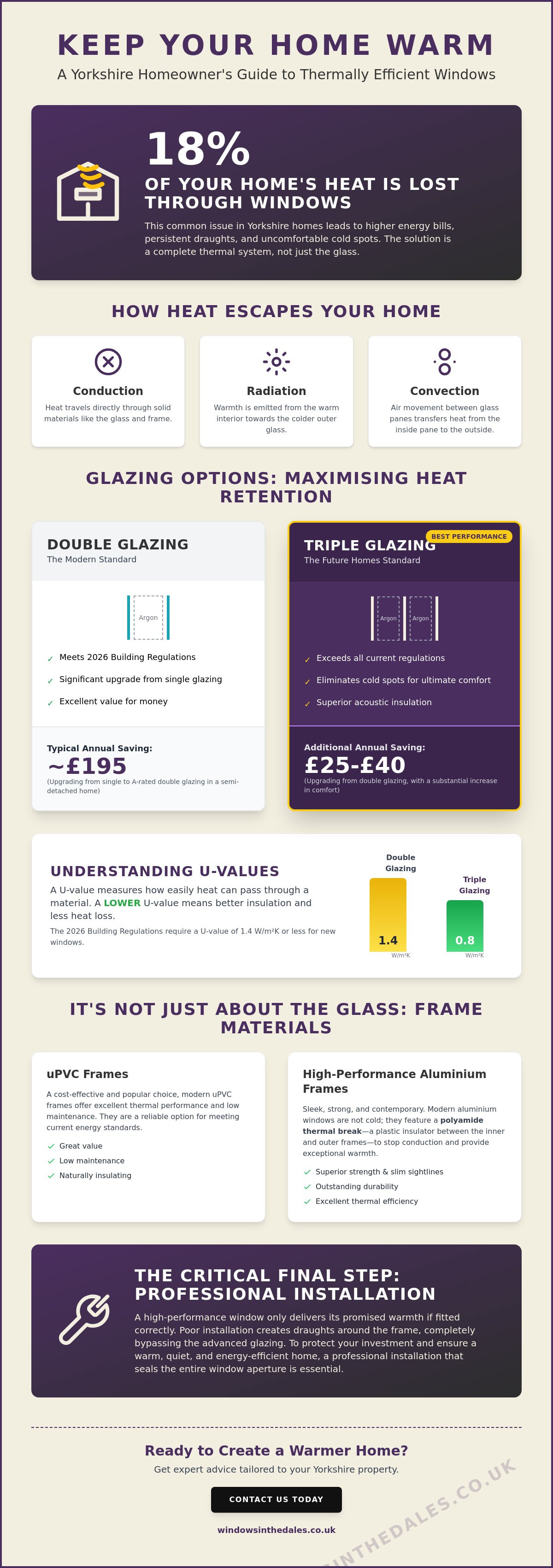
Around 18% of your home's heat is currently escaping through your glass, leaving you to battle rising energy costs and persistent draughts. It's a common frustration for homeowners across Yorkshire who find themselves turning up the thermostat whilst still feeling a chill in the air. You're likely asking, what are the best windows for keeping heat in? Finding the right answer means looking beyond the glass to consider the entire thermal system of your property.
We believe you deserve a home that feels like a sanctuary, even when the North Sea winds are at their peak. This guide promises to simplify your decision by highlighting the most effective configurations to slash heat loss and lower your energy bills. We'll examine the latest 2026 building regulations, explain the impact of the Home Energy Model, and compare the thermal performance of uPVC windows against modern aluminium windows. You'll discover how to eliminate condensation and choose architectural glazing that protects your investment for the long term.
Key Takeaways
- Learn why triple glazing is becoming the new benchmark for 2026 and how to determine if the additional investment is right for your property.
- Identify exactly what are the best windows for keeping heat in by addressing the 18% rule that governs thermal loss in Yorkshire homes.
- Understand the role of polyamide thermal breaks and why high-quality aluminium windows now provide exceptional warmth alongside contemporary style.
- Decipher technical U-values and WER ratings to ensure your home remains compliant with the latest 2026 energy regulations and the Future Homes Standard.
- Safeguard your comfort by learning why professional installation is the critical factor in preventing draughts and maintaining a quiet, energy-efficient living space.
Understanding Heat Loss and Thermal Performance in Yorkshire Homes
Thermal efficiency is the measure of how well your home retains internal warmth whilst resisting the cold outside. For many residents across the North, this is a matter of daily comfort. Statistics show that around 18% of a property's heat is lost through its windows. This energy drain forces your heating system to work harder, leading to higher bills and cold spots. When homeowners ask, what are the best windows for keeping heat in? they are often searching for a solution to this specific structural weakness. Simply replacing a single pane of glass is rarely the full answer. You must consider the entire thermal envelope of the building.
Conduction, Convection, and Radiation Explained
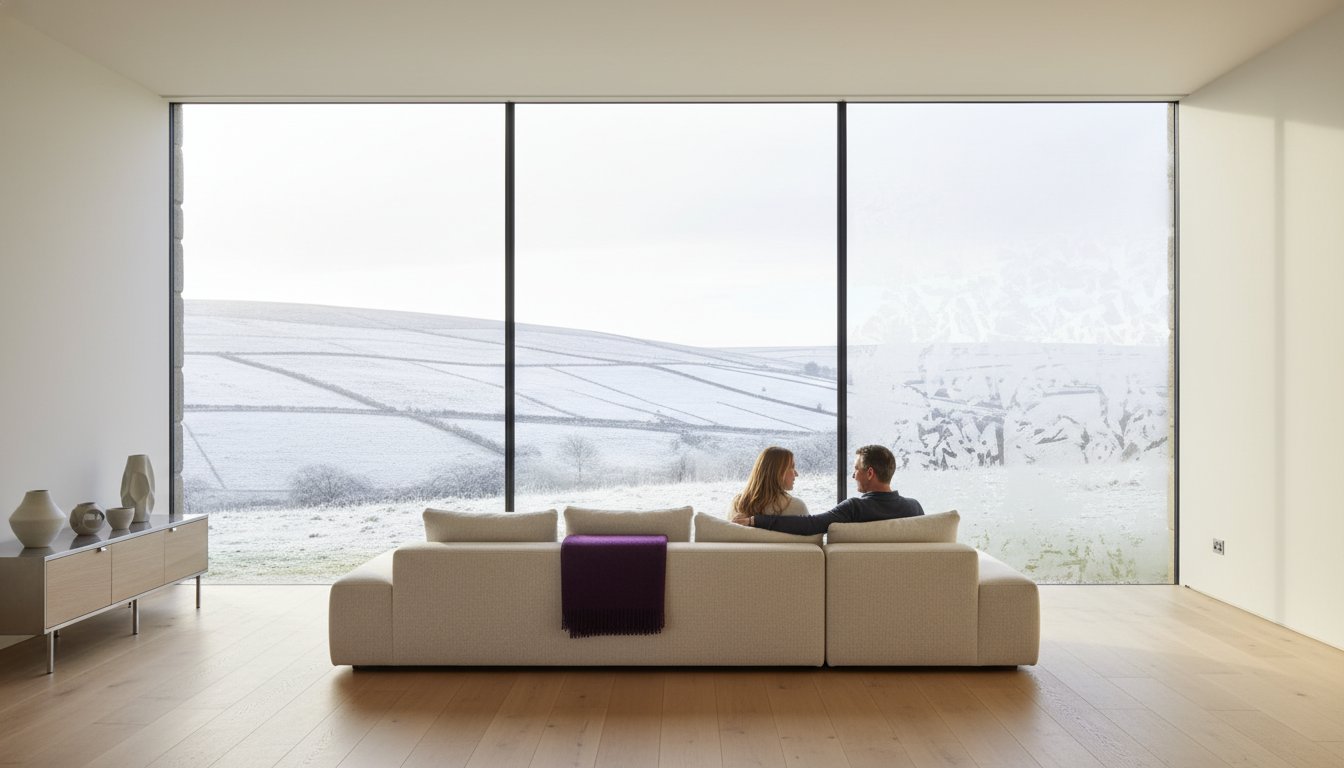
Heat escapes your living room in three distinct ways. Conduction occurs when heat travels directly through solid materials like the glass and the frame. Radiation happens when heat is emitted from the warm interior toward the colder exterior glass surface. Finally, convection takes place within the air gap between panes. Modern Insulated glazing technology addresses all three. By using low-emissivity coatings and inert gas fills, these units create a powerful barrier. This technology ensures that the internal pane stays closer to room temperature. This prevents the uncomfortable "down-draught" often felt near older, inefficient windows. A warmer internal surface also significantly reduces the risk of surface condensation.
Why Regional Weather Matters for Your Window Choice
Yorkshire presents unique challenges for architectural glazing. A sheltered townhouse in the centre of Leeds faces very different pressures than an exposed cottage in the Dales. High winds from the Pennines and damp North Sea air can strip heat from a building at an accelerated rate. This is known as the wind-chill factor. In these high-exposure areas, the structural integrity of the window frame is just as important as the glass. Wind-driven rain can test the seals of a window to their limit. Choosing uPVC windows or high-performance aluminium windows with superior weather-stripping is essential. These materials are designed to withstand the rigours of the local climate without warping or degrading over time.
Achieving a truly warm home requires looking at the entire aperture. A high-performance window will only deliver its promised U-value if the interface between the frame and the brickwork is perfectly sealed. We often see homeowners invest in premium glass only to be let down by poor fitting that allows draughts to bypass the unit entirely. To answer the question of what are the best windows for keeping heat in? you must look for a complete thermal system. This includes precision-engineered frames, advanced glazing, and a professional installation that respects the specific architectural needs of your Yorkshire property.
Comparing Glazing Options: Double vs Triple Glazing for Maximum Heat Retention
High-performance glass units are complex thermal systems. They consist of multiple panes separated by inert gases like Argon and sealed with advanced coatings. When asking what are the best windows for keeping heat in?, the answer starts with three core components:
- Low-E Glass: A microscopic metal oxide coating that reflects internal heat back into the room whilst allowing natural light to enter.
- Inert Gas Fills: Argon gas trapped between panes to slow down heat transfer and reduce convection currents.
- Warm-Edge Spacer Bars: Insulating plastic composites that replace traditional aluminium to prevent the "cold bridge" effect at the glass perimeter.
The financial return on investment is a key consideration for Yorkshire homeowners. Upgrading from single to A-rated double glazing can save roughly £195 per year for a typical semi-detached home. Moving from double to triple glazing saves an additional £25 to £40 annually. While the energy savings are modest, the improvement in internal comfort is substantial. Triple glazing eliminates "cold spots" entirely, creating a consistent temperature across the room regardless of the weather in the Pennines.
Double Glazing: The Modern Standard
Double glazing remains the most popular choice for local replacements. Modern units easily meet the 1.4 W/m²K U-value required by 2026 building regulations. These windows use an Argon-filled gap to create an invisible barrier that slows the transfer of heat. For south-facing rooms in areas like Harrogate, double glazing often provides the best balance. It allows for beneficial solar gain in winter without the excessive weight of a third pane. When evaluating energy performance ratings for windows, homeowners should look for A-rated units as a minimum standard for genuine comfort.
Triple Glazing: Is it Necessary for Your Property?
Triple glazing is the ultimate choice for maximum heat retention. It can drop U-values from 1.2 down to 0.8 W/m²K. This makes it the practical solution for meeting the stringent Future Homes Standard in new builds. Beyond warmth, the third pane offers superior acoustic insulation. This is a significant advantage if your home faces busy traffic in Leeds or Sheffield. However, triple glazing adds roughly 15-20% to the total cost. It also increases the weight of the window significantly. For heritage properties in the Dales with older stone apertures, you must ensure the structural masonry can support the extra load.
If you're unsure which configuration suits your home's orientation, you can request a quote for a tailored thermal assessment. Choosing between double and triple glazing depends on your specific goals for acoustics, budget, and the architectural limits of your property.
Frame Materials: Aluminium vs uPVC for Thermal Efficiency
Frame choice is often overlooked, but it's just as critical as the glass itself. If you're asking what are the best windows for keeping heat in?, you must look at how the frame handles thermal bridging. In the past, aluminium was considered a "cold" material that attracted condensation. Modern engineering has completely transformed this. The science of the Polyamide Thermal Break in high-end aluminium windows has changed the game. This reinforced plastic strip sits between the inner and outer sections of the frame. It acts as a barrier, stopping heat from conducting through the metal. When comparing different window frame materials, this technology allows aluminium to compete directly with uPVC for thermal performance.
Aluminium: Slimline Style Meets High Insulation
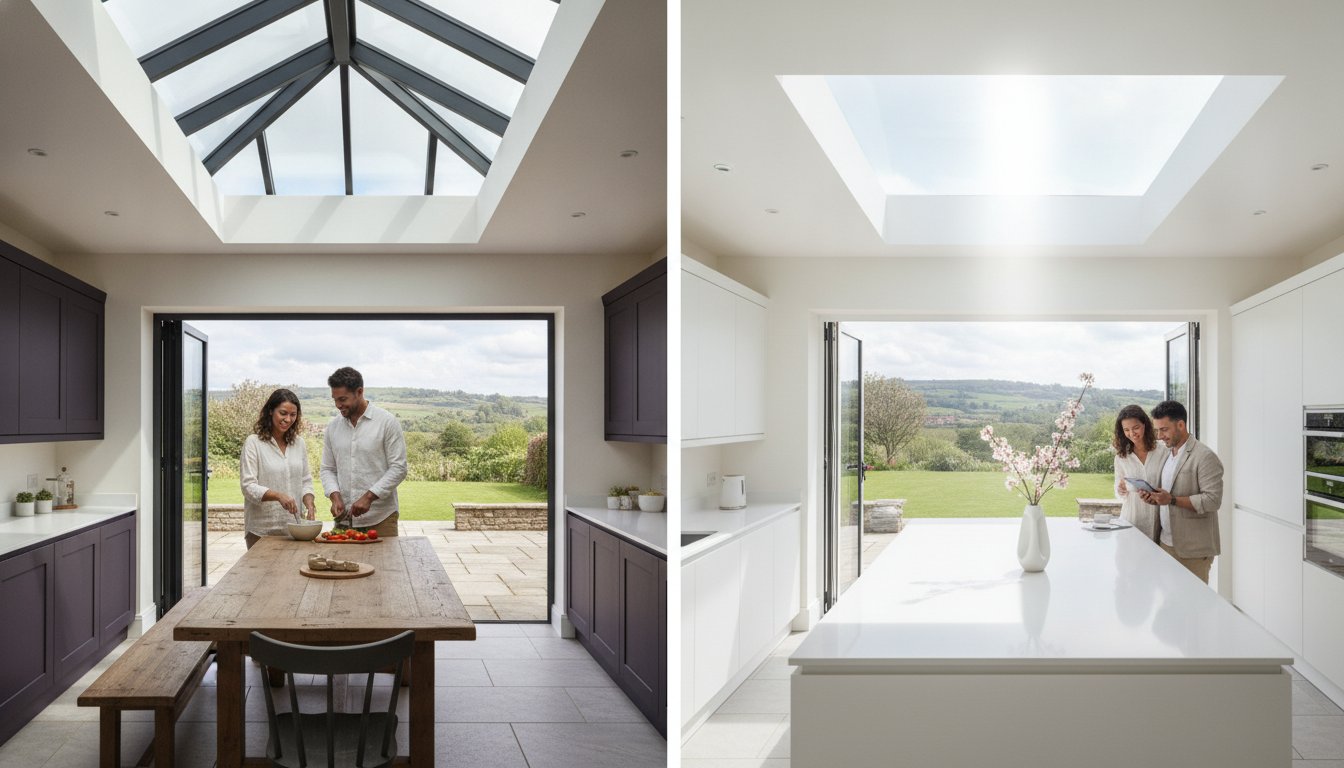
The structural strength of aluminium allows for incredibly slim frames. This means you can have larger glass units, which increases natural light and "free" solar gain entering your home. It's a perfect choice for modern Yorkshire extensions or when you want to achieve a steel-look heritage aesthetic without the heat loss of original metal frames. The powder-coated finish is exceptionally durable. It won't peel or fade when battered by Pennine winds or coastal salt air. It's an investment in both contemporary design and long-term energy efficiency.
uPVC: The Cost-Effective Thermal Performer
How modern uPVC windows use air pockets to trap heat is a marvel of functional design. These frames are engineered with a multi-chambered profile. These internal air pockets act as natural insulators, trapping warmth within the frame itself. uPVC remains a popular, maintenance-free choice for homeowners in York and Harrogate who want reliable performance without the need for regular painting. Today's profiles aren't limited to standard white. You can choose wood-grain foils and colours that perfectly match traditional Yorkshire stone or local brickwork.
Choosing the right material requires a balance of budget and architectural vision. Whilst uPVC offers excellent value and insulation, aluminium provides a sleek, architectural finish that can significantly increase property value. Both options, when fitted with modern thermal technology, provide an excellent answer to the question of what are the best windows for keeping heat in?. The key is ensuring the frame is designed for the specific demands of our regional climate and architectural heritage.
Navigating Energy Ratings: U-Values and WER Explained
Understanding technical jargon is the first step in deciding what are the best windows for keeping heat in? for your specific home. A U-value measures the rate of heat transfer through a material. In Yorkshire, where winter temperatures frequently drop below freezing, you want this number to be as low as possible. A lower U-value indicates superior insulation and better heat retention. It's the most reliable way to compare the raw performance of different products before they're installed in your property.
The Window Energy Rating (WER) system uses a familiar A++ to E rainbow scale. This rating combines the U-value, solar gain (G-value), and air leakage (L-value) into a single score. Most modern installations now achieve an 'A' rating as standard. The G-value represents how much solar heat passes through the glass. In a cold North Yorkshire winter, a higher G-value provides "free" heating from the sun. However, the L-value is equally critical. It measures air leakage. Even the most advanced glass unit fails if the frame allows air to whistle through the seals.
The 2026 Standards: What Homeowners Should Demand
Regulations have become significantly stricter to help the UK reach its carbon reduction goals. Under the 2026 building regulations, all replacement windows must achieve a maximum U-value of 1.4 W/m²K to ensure your home meets modern energy efficiency requirements. If you're building a new property, the Future Homes Standard requires an even lower value of 0.8 W/m²K. Aiming for a lower U-value than the legal minimum is a smart way to future-proof your property. It adds tangible value and ensures your home remains comfortable as energy costs continue to fluctuate.
How to Spot 'Greenwashing' in Window Marketing
Be cautious of "centre-pane" U-values in marketing materials. This figure only measures the thermal performance of the glass itself and ignores the frame. When comparing quotes to find what are the best windows for keeping heat in?, always insist on seeing the whole-window U-value. This provides a true reflection of how the unit will perform once it's fitted into your wall. Always check for BFRC or FENSA certification on your quote. These credentials prove the window has been independently tested to meet the standards claimed by the manufacturer.
To see how these technical ratings translate into real-world warmth and style, browse our case studies of energy-efficient installations across the region.
Maximising Heat Retention with Professional Yorkshire Installation
Investment in premium glazing is only half the battle. Even if you have identified what are the best windows for keeping heat in?, the performance relies entirely on the quality of the fit. A poorly installed window creates thermal bridges. These are paths where heat bypasses the frame and escapes through the wall. In Yorkshire, where stone apertures are rarely perfectly square, this "Aperture Problem" is a common cause of heat loss. Our approach focuses on eliminating these gaps with precision craftsmanship and high-grade insulating materials that respect the building's original structure.
Professional fitting ensures that the weather-stripping and seals perform exactly as designed. When a window is forced into a space that doesn't quite fit, the frame can bow over time. This subtle warping prevents the sashes from closing tightly. It leads to the very draughts and condensation issues you were trying to solve. By choosing a specialist who understands local building methods, you protect your home from the damp North Sea air and Pennine winds described earlier in this guide. Proper sealing at the interface between the brickwork and the frame is the final, vital step in securing your thermal envelope.
The Importance of a Precision Survey
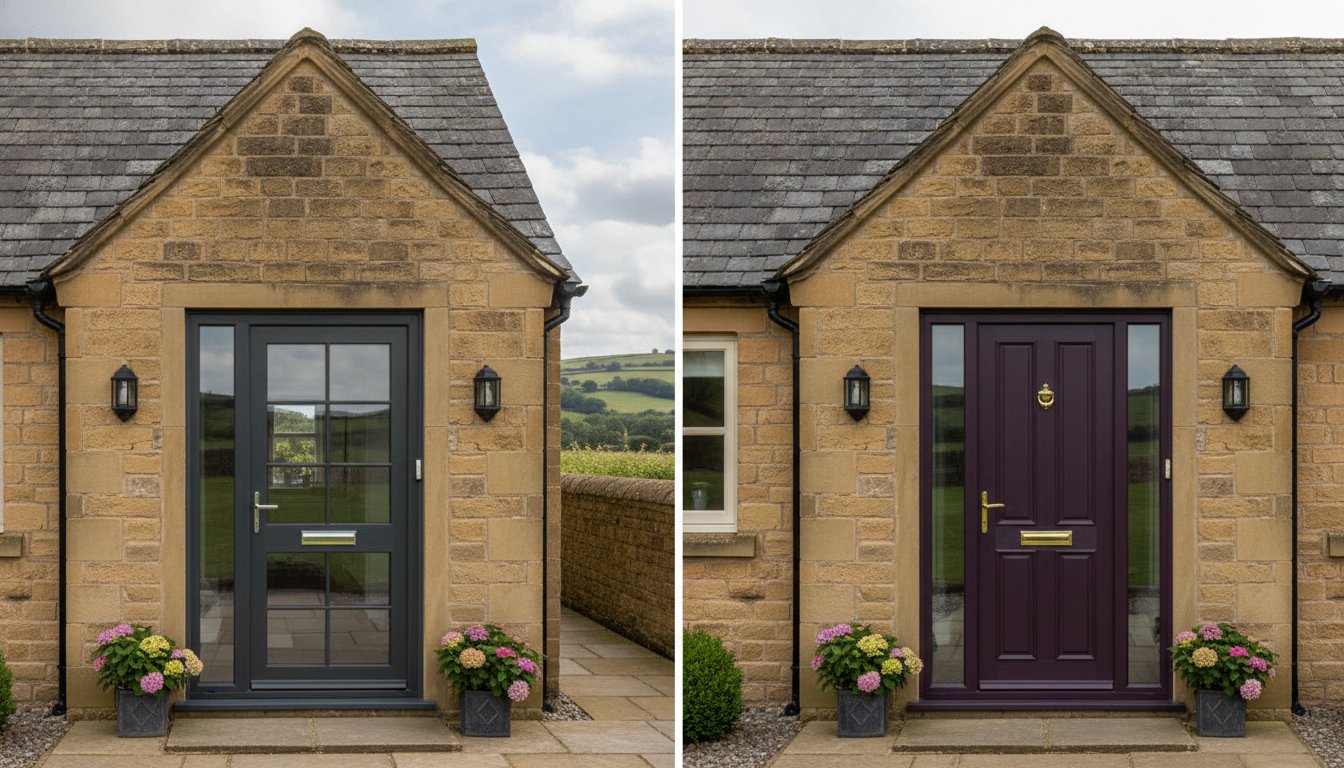
Every successful project begins with a comprehensive survey. Off-the-shelf window sizes often lead to thermal leaks because they require excessive "packing" to fill the gaps in larger openings. This is particularly true for period homes in the Dales. Traditional Yorkshire stone is beautiful but often uneven and thick. We take exact measurements to ensure the frame sits perfectly within the masonry. This bespoke approach is a core part of our installation process, ensuring there's no room for cold air to penetrate the thermal envelope of your home.
Protecting Your Investment
High-quality architectural glazing is a significant long-term investment. It should provide a warmer, quieter home for decades. To ensure this longevity, you must look for comprehensive warranties that specifically cover the integrity of the thermal seals. Over time, poor-quality seals can perish. This allows the Argon gas to escape and reduces the window's efficiency. Regular maintenance, such as cleaning the tracks and checking the weather-seals, will keep your uPVC windows or aluminium windows performing at their peak. For a tailored assessment of your property's needs, request a professional thermal survey and quote today to begin your journey toward a more energy-efficient Yorkshire home.
Transforming Your Home into a Thermal Sanctuary
Choosing the right glazing is an investment in your property's longevity and your family's daily comfort. We've explored how the 18% heat loss through standard windows can be tackled by selecting the correct U-values and high-performance frame materials. Whether you opt for the sleek lines of aluminium windows or the multi-chambered efficiency of uPVC windows, the goal remains the same. You need a system that meets the 2026 building regulations whilst standing up to the unique weather conditions of the Dales and surrounding regions.
The final answer to what are the best windows for keeping heat in? is a combination of advanced technology and expert local craftsmanship. We specialise in high-performance Heritage and Aluminium systems that deliver modern warmth without compromising on architectural beauty. Our FENSA registered team provides expert installation across Leeds, York, and Harrogate, ensuring every seal is airtight and every aperture is secure against the elements.
Secure your home's warmth, Request a bespoke Yorkshire glazing quote today. We look forward to helping you create a quieter, warmer, and more valuable property that you'll enjoy for many winters to come.
Frequently Asked Questions
Is triple glazing worth the extra cost in Yorkshire?
Triple glazing is worth the additional investment if your property faces high exposure to Pennine winds or sits on the Yorkshire coast. Whilst it adds roughly £2,000 to the cost of a full house replacement, it provides the ultimate level of comfort by eliminating cold spots entirely. For sheltered urban homes, modern A-rated double glazing is often sufficient to maintain a warm internal environment.
Do aluminium windows make a room feel colder than uPVC?
Modern aluminium windows do not make a room feel colder because they utilise advanced polyamide thermal breaks to stop heat conduction. This technology ensures the internal frame stays at room temperature, even during a harsh Northern winter. High-performance aluminium systems provide a sophisticated, warm interior whilst offering the slim sightlines that homeowners in Harrogate and York increasingly desire.
What is the best U-value for windows in 2026?
The best U-value for windows in 2026 is 0.8 W/m²K, which meets the stringent requirements of the Future Homes Standard for new properties. For replacement windows in existing homes, the legal maximum is 1.4 W/m²K under current building regulations. Achieving a lower U-value is the most effective way to answer the question of what are the best windows for keeping heat in? whilst future-proofing your property value.
How can I tell if my current windows are leaking heat?
You can identify heat leaks by looking for condensation trapped between the glass panes or feeling for physical draughts around the frame edges. A simple way to check is by moving a lit incense stick around the window seal; if the smoke flickers, air is escaping. If the internal glass surface feels icy to the touch when the heating is on, your glazing is failing to provide an adequate thermal barrier.
Can I install energy-efficient windows in a conservation area in York?
You can install energy-efficient windows in conservation areas by choosing Heritage systems that are specifically designed to replicate traditional timber or steel aesthetics. Many local authorities, including York City Council, approve these high-performance alternatives if they preserve the architectural integrity of the building. It is essential to verify specific planning requirements for your street before proceeding with any installation.
What is the difference between double glazing and secondary glazing for heat?
Double glazing is a single, sealed unit containing two panes of glass, whereas secondary glazing is an additional pane fitted inside an existing window. Double glazing is far more effective at answering what are the best windows for keeping heat in? because it uses insulating gases and low-e coatings to create a permanent thermal seal. Secondary glazing is typically a temporary measure used when planning laws prevent a full replacement.
How long do energy-efficient windows typically last before needing replacement?
High-quality energy-efficient windows typically last between 20 and 35 years before the thermal seals or gas fills begin to degrade. The actual lifespan depends on the frame material and how much the window is battered by local weather conditions. Regular maintenance of the hinges and seals will ensure your windows continue to slash heat loss and protect your home for decades.
Do new windows help reduce external noise as well as keeping heat in?
New windows provide a significant reduction in external noise by using multiple panes of glass to dampen sound vibrations. Triple glazing is particularly effective for homes near busy roads in Leeds or Sheffield, as the extra layer of glass and gas creates a superior acoustic barrier. This dual benefit ensures your home is not only warmer but also a much quieter sanctuary from the outside world.