In 2026, the cheapest window you can buy is often the most expensive mistake you'll ever make for your Yorkshire home. It's a common frustration to face a wall of opaque pricing and aggressive sales tactics when you simply want to enhance your property's character and warmth. You're likely asking, "How much do new windows cost in the UK in 2026?" whilst trying to navigate the strict 1.4 W/m²K U-value requirements set by the latest Part L Building Regulations.
We agree that finding honest, transparent guidance in the Leeds and Yorkshire market should be simpler. This guide promises to provide you with a clear, realistic understanding of window replacement costs, ranging from versatile uPVC to high-end architectural aluminium. We'll preview the essential differences between trade and fitted prices, explain how new 2026 energy grants might affect your investment, and help you identify the right materials to complement our local stone architecture without falling into common industry traps.
Key Takeaways
- Understand how the updated Part L Building Regulations and rising energy efficiency standards directly influence the question of how much do new windows cost in the UK in 2026.
- Learn the distinct lifestyle advantages of choosing premium aluminium windows for architectural slimness versus the cost-effective thermal performance of modern uPVC windows.
- Discover why traditional Yorkshire stone properties require specialist installation techniques that can impact the duration and complexity of your home improvement project.
- Identify common national sales gimmicks and "today-only" discounts to ensure you receive a transparent, itemised quote from a trusted local specialist.
- Evaluate the long-term value of heritage styles and high-performance glazing to ensure your investment protects your property's character whilst enhancing natural light.
The 2026 Window Market: Why Prices Have Shifted
The window market in 2026 is defined by a significant transition in performance standards and material technology. Homeowners across Leeds and the wider Yorkshire region are seeing a fundamental shift in how products are manufactured and priced. If you're asking, "How much do new windows cost in the UK in 2026?", the answer is now inseparable from energy efficiency legislation. We've moved beyond simple aesthetics; every frame now serves as a high-performance thermal barrier designed to protect your home from rising energy costs.
The "Part L" Factor: Efficiency vs. Expense
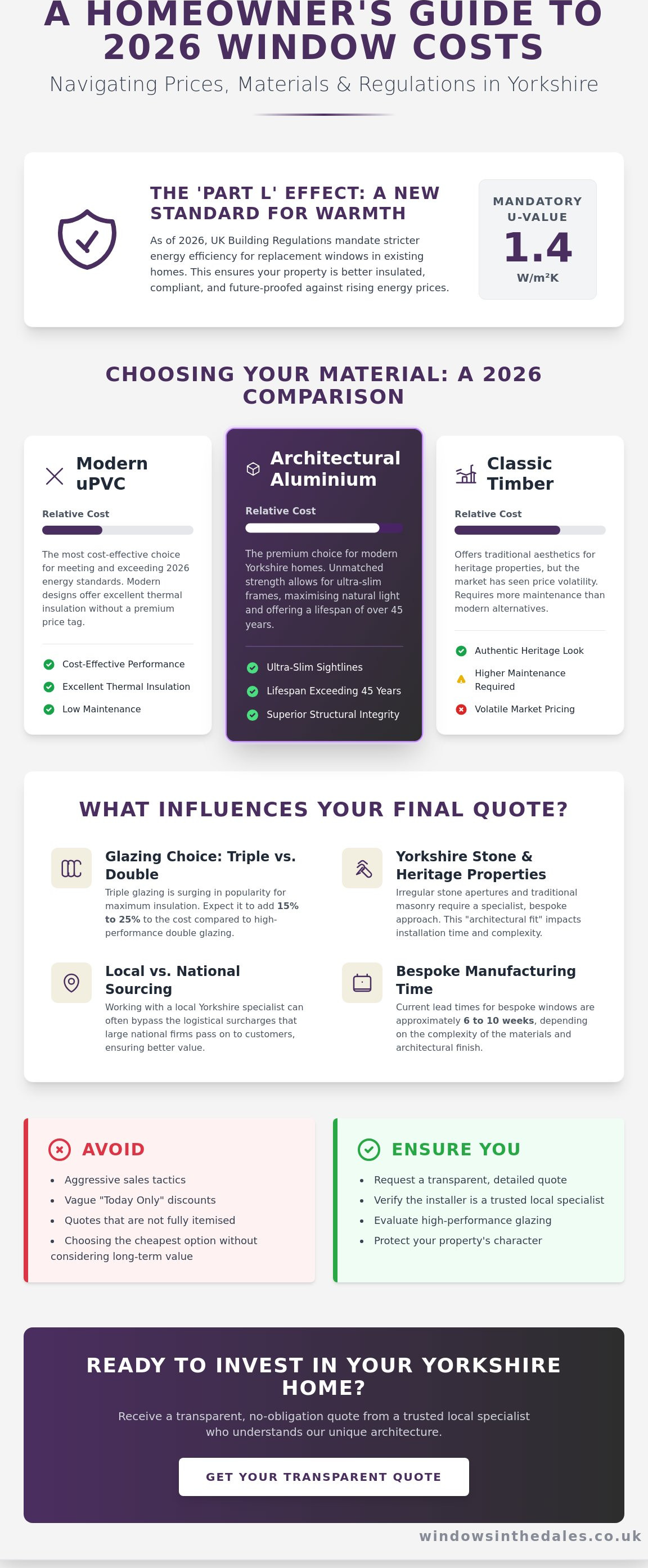
The 2026 update to Part L of the Building Regulations has set a mandatory U-value of 1.4 W/m²K for replacement windows in existing dwellings. This isn't just a technicality. It has forced a redesign of standard frames to include more advanced thermal breaks and multi-chambered profiles. Whilst older double glazing might have been "good enough" in the past, it simply doesn't meet the legal requirements for 2026 renovations. Choosing high-specification uPVC windows or aluminium frames ensures your home remains compliant and future-proofed against further regulatory tightening. The long-term financial benefit of these higher-spec thermal breaks is clear; they significantly reduce heat loss and stabilise internal temperatures throughout the Yorkshire winter.
Rising energy price forecasts for the late 2020s have also transformed triple glazing from a niche luxury into a sensible long-term hedge. Research indicates that triple glazing adds approximately 15% to 25% to the cost of a window compared to double glazing, yet the demand has surged as homeowners seek maximum insulation. For a comprehensive overview of window types and their varying thermal properties, it's essential to consider how glass-to-frame ratios affect your overall energy rating.
Supply Chain and Material Trends in 2026
Aluminium has seen remarkable price stability throughout 2026 compared to the volatile timber market. This makes aluminium windows a predictable and popular choice for modern Yorkshire extensions and high-end renovations. By sourcing materials locally within Yorkshire, we can often bypass the logistical surcharges that national firms pass on to their customers. Local sourcing also supports a more sustainable supply chain, which is increasingly important to residents in Harrogate, Ilkley, and surrounding areas. Currently, the average lead time for bespoke windows in the UK is approximately six to ten weeks depending on the complexity of the architectural finish.
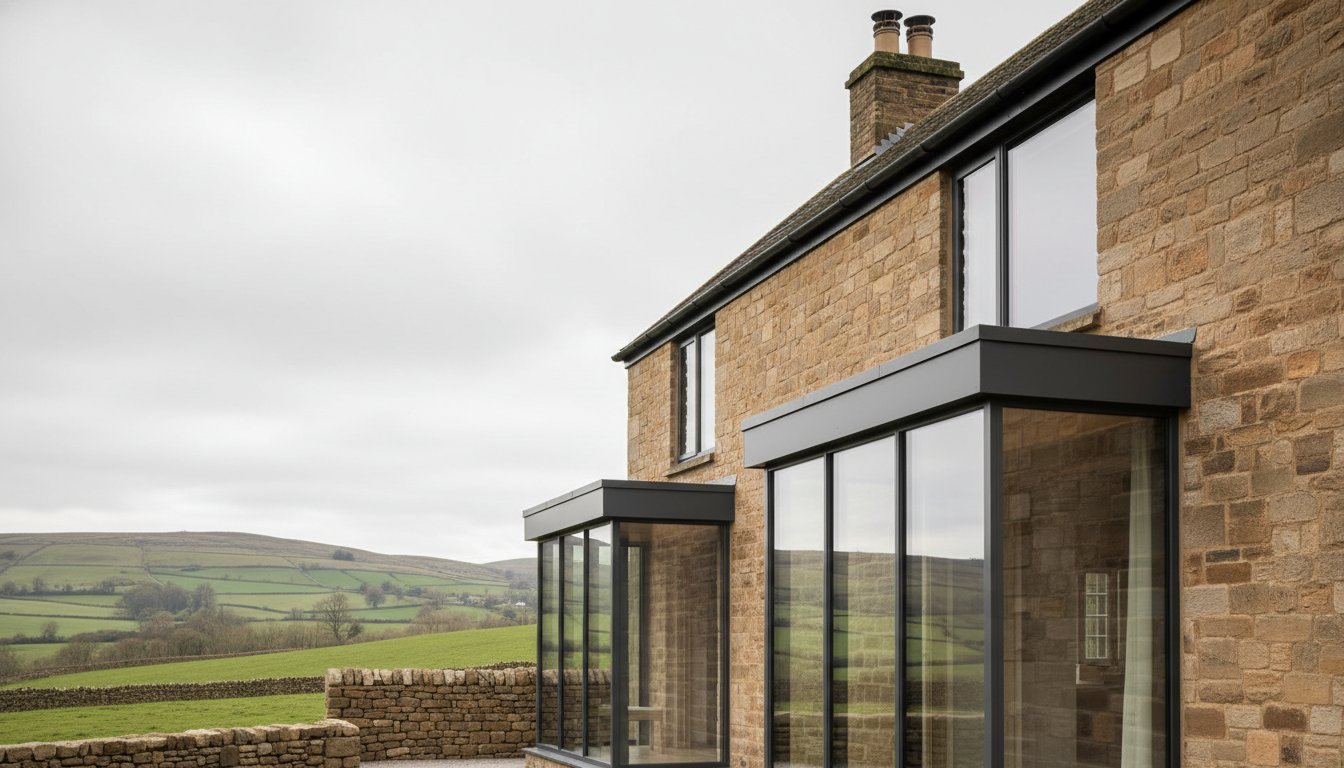
Off-the-shelf prices rarely reflect the reality of a Yorkshire property. Traditional masonry and irregular stone apertures require a bespoke approach that standard retail units cannot provide. A custom-fitted installation ensures that slimline aluminium profiles or heritage uPVC frames sit perfectly within the original structure. This preserves the property's soul whilst maximising natural light. When you consider how much do new windows cost in the UK in 2026, you must factor in this "architectural fit" to avoid the hidden costs of poor installation and structural adjustments.
Comparing Window Costs by Material: uPVC, Aluminium, and Timber
Selecting the right material is the most significant variable when calculating your project budget. Whilst material costs are largely consistent across the country, the architectural demands of Yorkshire properties often dictate which system provides the best long-term value. When asking how much do new windows cost in the UK in 2026, you must weigh initial expenditure against maintenance requirements and thermal efficiency. Every material has evolved to meet modern standards, but the price gap reflects the longevity and design flexibility each offers.
Aluminium Windows: The Modern Yorkshire Favourite
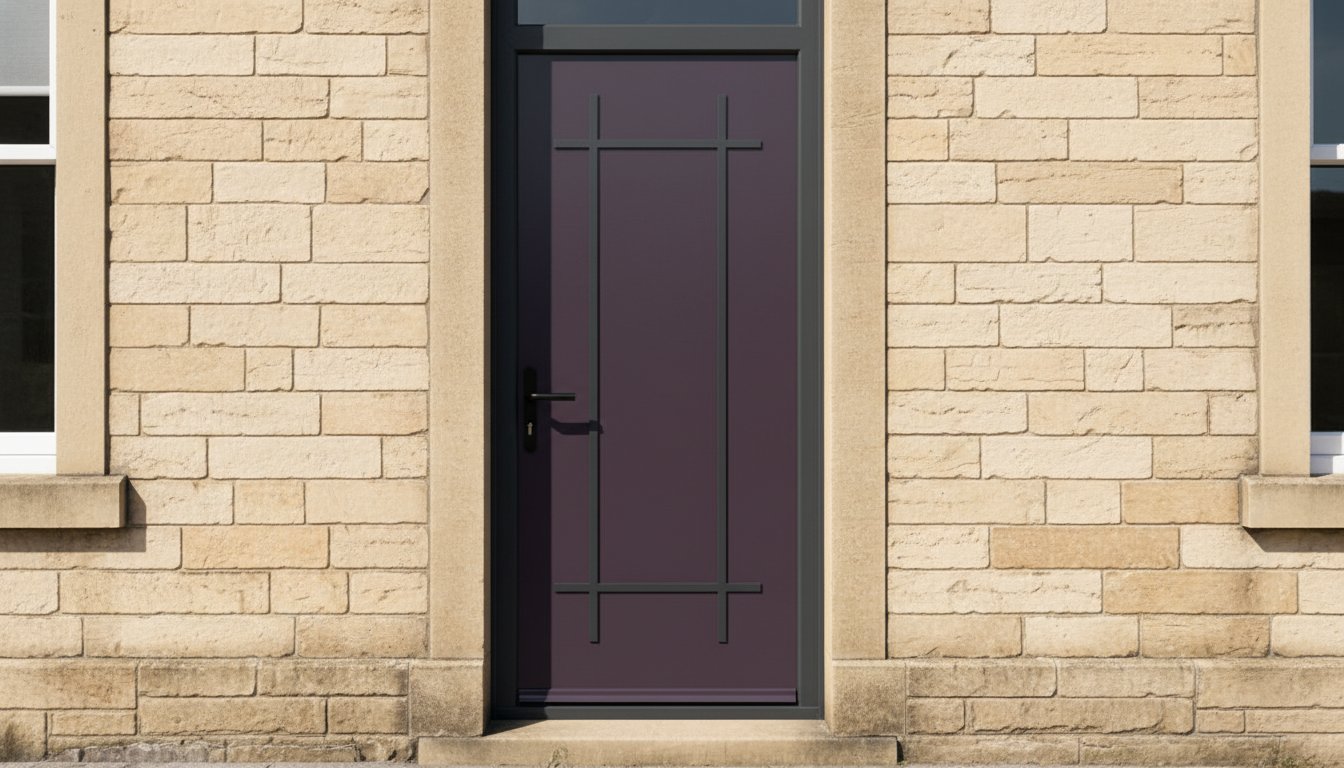
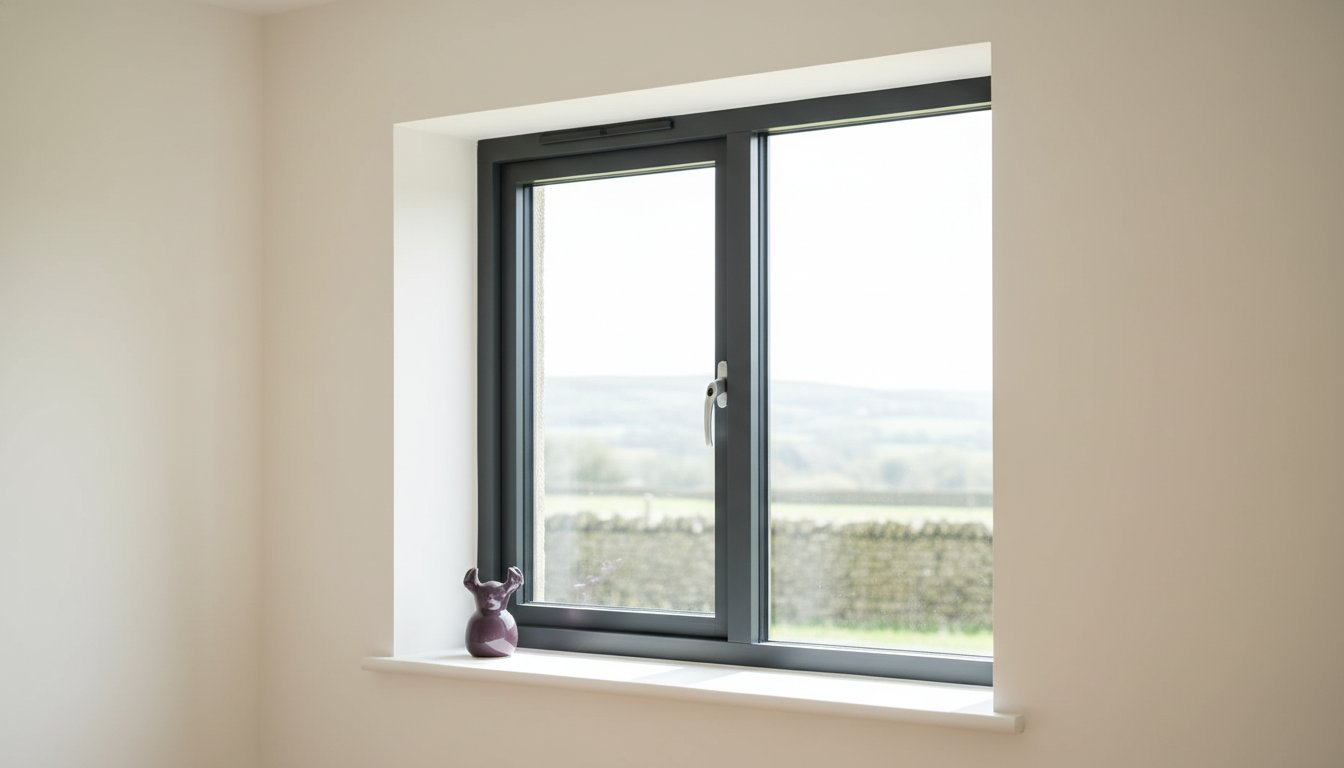
Aluminium windows represent the premium architectural choice for 2026. Their inherent strength allows for incredibly slim sightlines. This is vital for north-facing homes in the Dales seeking to maximise natural light. The price premium over uPVC is justified by a lifespan that can exceed 45 years and superior structural integrity for large glazing areas. Modern powder-coating options, particularly the ever-popular Anthracite Grey, can influence the final quote; however, they offer a durable finish that resists the harsh Yorkshire elements. Slimline systems aren't just an aesthetic choice. They are a deliberate investment in contemporary design that traditional materials simply cannot match.
High-Performance uPVC: Beyond the "White Plastic" Stereotype
High-performance uPVC windows have moved far beyond the basic "white plastic" stereotype of previous decades. Today, they are the most cost-effective way to meet the stringent energy targets found in the UK government's Building Regulations. Modern foils allow for sophisticated wood-grain effect finishes. These mimic timber so closely they are often indistinguishable from the kerbside. You should expect a 10% to 15% price increase for coloured or textured frames compared to standard white. This still remains significantly more affordable than real timber or aluminium. It's the pragmatic choice for homeowners who prioritise thermal performance and low maintenance without a premium price tag.
For heritage properties and conservation areas, timber remains the standard for authentic character. Many Yorkshire homeowners are now opting for heritage composite or flush-sash systems instead. These bridge the gap by offering the authentic look of a traditional window with the thermal performance of a 2026-spec system. They provide a protective layer for your investment. This ensures your property maintains its historical value whilst staying exceptionally warm. If you're unsure which material suits your home's masonry, you can explore our recent case studies to see these materials in real Yorkshire settings.
Style Matters: How Design Choices Impact Your Quote
Style dictates the mechanical complexity of your window and directly influences the final installation time. Whilst material choice sets the baseline, the functional design of the frame determines how much you'll ultimately invest in your property's transformation. If you're researching how much do new windows cost in the UK in 2026, you'll find that casement windows offer a versatile baseline for renovations by combining simple operation with excellent thermal seals. They remain the most cost-effective standard, with uPVC casement options typically ranging between £400 and £900 per unit including installation.
Sash windows serve as the definitive choice for Yorkshire heritage properties, preserving architectural integrity whilst providing modern draught-proofing. These units are more complex than casements; they require internal balance mechanisms and sliding tracks that increase manufacturing costs. You should expect a premium for this style, with uPVC sash windows often priced between £700 and £1,100. For those living in urban Leeds or Sheffield, tilt and turn windows provide a functional premium for apartments by allowing safe, internal-access cleaning and secure ventilation. This mechanical depth adds to the per-unit price but offers essential lifestyle advantages for high-rise living.
Bay windows transform the structural profile of a room by expanding the floor area and increasing the influx of natural light. These are not simple replacements. They often require reinforced corner posts and multi-pane configurations. A typical 3-pane uPVC bay window can range from £1,500 to £2,800, reflecting the additional materials and labour involved in a structural fit. When comparing these styles, always check the performance labels against the Window Energy Rating (WER) scheme to ensure your chosen design meets the 2026 efficiency standards.
Heritage and Period Window Considerations
Conservation areas across Yorkshire demand a protective approach to design. Matching original architectural details often requires the use of astragal bars, which are fixed to the surface of the glass to replicate traditional glazing beads. These details add to the per-unit cost but are essential for maintaining property value. Steel-look aluminium windows are currently a major trend for Yorkshire barn conversions. They offer a slim, industrial aesthetic that respects the rugged character of traditional stone exteriors whilst providing the thermal performance required by modern building codes.
Specialist Glazing: Roof Lanterns and Glass Balustrades
Roof lanterns transform dark kitchen extensions into sun-drenched living hubs by capturing light from above. Integrating these into a wider window replacement project requires careful structural planning. You might also consider how adding glass balustrades can enhance your project by creating seamless, transparent boundaries for balconies or terraced areas. When specifying these larger glass areas, consider self-cleaning coatings. This technology adds to the initial quote but significantly reduces the long-term maintenance burden for hard-to-reach glazing in exposed Yorkshire locations.
Regional Pricing Factors: The Yorkshire Context
Yorkshire properties offer a unique set of challenges that national "one-size-fits-all" pricing often fails to acknowledge. When residents ask how much do new windows cost in the UK in 2026? they must consider the regional nuances of the North. Whilst labour costs in Yorkshire are typically 10% to 20% lower than in London or the South East, local demand in areas like Harrogate and Ripon can cause rates to fluctuate compared to South Yorkshire. This regional variation is a primary reason why generic online calculators often fall short of reality for Leeds or Sheffield homeowners.
The "Yorkshire Stone" factor is perhaps the most significant variable in our region. Traditional masonry apertures in older properties are rarely perfectly uniform or square. Installing modern aluminium windows into rugged stone requires a level of precision that standard brick-build installations do not demand. This complexity means that installation typically accounts for 20% to 40% of your total project price. Furthermore, the tall Victorian terraces common in Leeds and Sheffield often require scaffolding for safe access to upper floors. This is a fixed logistical cost that must be factored into your initial budget to avoid surprises during the survey phase.
Installation Complexity in Traditional Homes
Removing original timber frames from stone apertures is a delicate process that requires specialist care to prevent masonry damage. It's not just about "fitting the hole"; it involves meticulously making good the interior reveals and ensuring the exterior pointing matches the existing character of your home. Professional installation by a FENSA-registered specialist is the only way to validate a 10-year guarantee and ensure the structural integrity of your home remains intact. Skipping this expert step is a high-risk strategy that often leads to draughts and damp issues within just a few seasons.
Local Regulations and Conservation Areas
Homeowners in York, Skipton, or Harrogate conservation zones face additional layers of scrutiny. Before determining how much do new windows cost in the UK in 2026 for a local resident, you must verify if your property requires heritage-approved designs. Planning applications for listed buildings or conservation areas carry their own fees and require detailed architectural drawings. Whilst the cost of a planning application is a visible expense, the financial risk of non-compliance fines and the requirement to remove unapproved windows is far greater. Always check your local authority’s specific requirements for heritage-sensitive materials like flush-sash uPVC before committing to a purchase.
To get a realistic breakdown for your specific property and navigate these regional complexities, you can request a quote from our local team today.
Getting an Accurate Quote: Avoiding the "Sales Trap"
The double-glazing industry is notorious for high-pressure tactics. If a firm offers a "buy one get one free" deal or a 50% discount for signing today, you should walk away. These are transparent gimmicks designed to mask an inflated base price. When you ask how much do new windows cost in the UK in 2026? you deserve a transparent answer based on technical requirements, not a sales script. Real value isn't found in a discount code. It's found in the quality of the thermal break and the precision of the installation. Honest pricing reflects the actual cost of materials and the skilled labour required to fit them correctly.
A professional survey is the foundation of a successful project. It goes far beyond simply measuring the aperture. A technical surveyor will assess the structural integrity of your lintels and the condition of the surrounding Yorkshire stone. They'll check for proper drainage paths and ensure the new frames won't interfere with existing internal features. Reviewing local case studies is a vital step before you commit. This allows you to see how specific materials and styles perform in real-world architectural settings similar to your own. It provides a level of reassurance that a glossy brochure cannot match.
The Anatomy of a Professional Glazing Quote
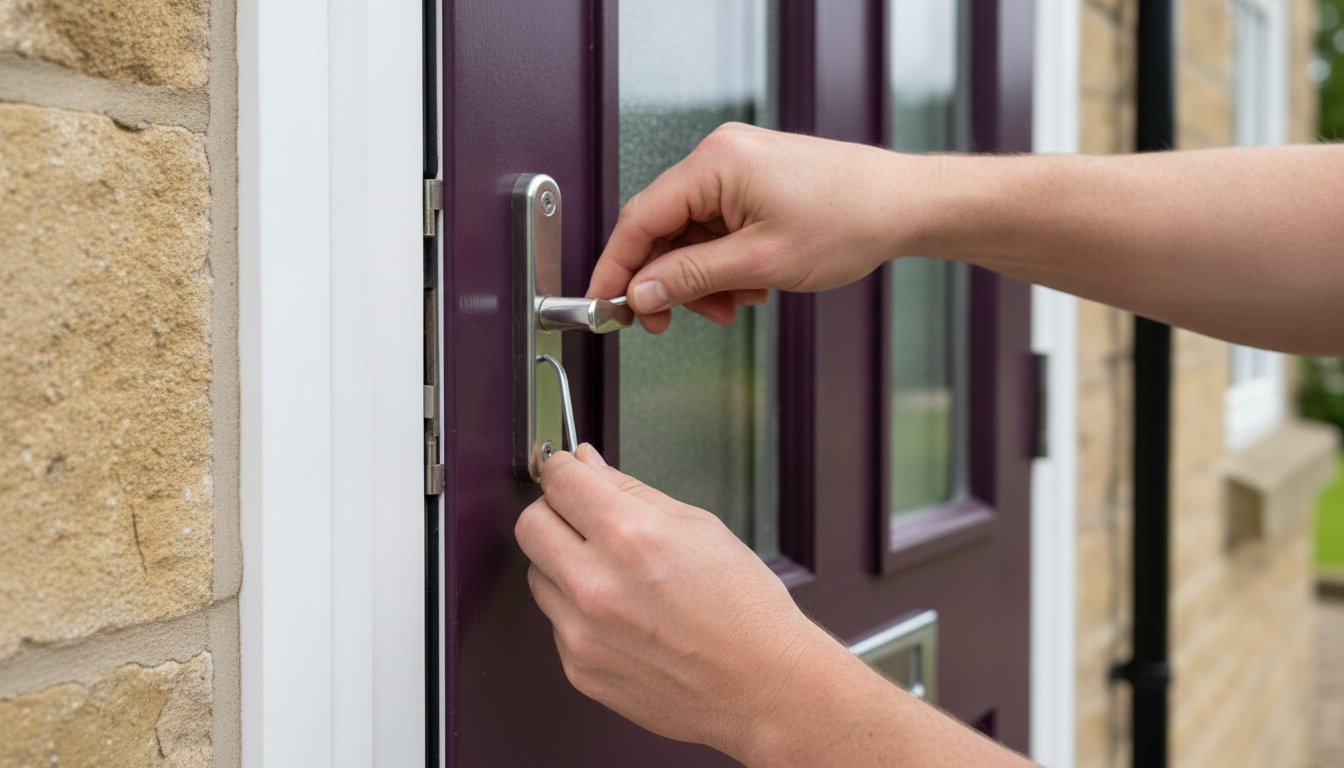
Your quote should be itemised and easy to understand. It must include the cost of removing your old frames, waste disposal fees, and VAT. Check for FENSA or Certass certification. This is essential for proving compliance with the 2026 building regulations when you eventually sell your property. Be wary of "price match" promises. These often lead to compromises on the internal thermal break or the quality of the hardware. A cheaper quote might use inferior gaskets or locking mechanisms that fail within a few years. Ensure you're comparing like-for-like glass specifications and security ratings to protect your investment.
Next Steps for Your Yorkshire Home
Prepare for a home visit by identifying your primary goals for the space. You might prioritise the slim sightlines of aluminium or the thermal efficiency of high-grade uPVC. Choosing a local specialist over a national "faceless" brand offers significant advantages. Local firms rely on their reputation within the community and understand the specific challenges of the Yorkshire climate. They provide a level of accountability that large corporations often lack. A local expert will ensure your windows are not only beautiful but also legally compliant and structurally sound. Ready for a transparent, no-obligation assessment? Request a bespoke quote today.
Invest in the Future of Your Yorkshire Home
Choosing new windows is about more than just aesthetics; it's a strategic investment in your property's thermal efficiency and architectural integrity. We've explored how the 2026 Part L regulations have raised the baseline for quality, ensuring every installation meets rigorous energy standards. You now understand that whilst high-performance uPVC offers incredible value, slimline aluminium provides a modern architectural finish that stands the test of time against the Yorkshire elements. Local expertise remains essential when navigating the complexities of traditional stone masonry and conservation requirements.
When you ask, "How much do new windows cost in the UK in 2026?", the true answer depends on finding a partner who values transparency over high-pressure sales gimmicks. As a FENSA Registered Installer and specialists in Yorkshire heritage properties, we provide the technical precision your home deserves. Every project we undertake is supported by 10-year insurance backed guarantees to protect your investment for the long term.
Get a transparent, expert quote for your Yorkshire home
Your journey toward a brighter, warmer, and more secure home starts with a single, honest conversation. We look forward to helping you transform your living space with craftsmanship you can trust.
Frequently Asked Questions
How much does it cost to replace windows in a 3-bedroom semi-detached house in 2026?
Replacing windows in a 3-bedroom semi-detached house, which typically features 8 to 10 units, costs between £4,000 and £8,500 for uPVC frames. If you choose premium aluminium, the price usually ranges from £8,000 to £16,000. These figures include professional installation and VAT. It's a significant investment that directly reflects the 2026 manufacturing standards for thermal performance and security.
Is triple glazing worth the extra cost compared to double glazing?
Triple glazing is a sensible hedge against 2026 energy price forecasts and provides superior acoustic insulation. Whilst it adds approximately 15% to 25% to your initial quote, the thermal benefits are substantial for exposed Yorkshire properties. It's particularly effective for north-facing rooms or homes near busy roads where reducing external noise is as important as retaining heat.
Do I need planning permission to change my windows in a conservation area?
You often need planning permission to change windows in a conservation area if the new designs differ from the originals. Local authorities in York, Harrogate, and Skipton are strict about preserving historical character. It's essential to check local Article 4 Directions before ordering. Choosing heritage-style flush-sash uPVC or steel-look aluminium can often help your application meet these aesthetic requirements.
How long does a typical window installation take for a whole house?
A whole-house window installation for a standard property usually takes between two and four days to complete. This timeline depends on the complexity of the masonry and the height of the building. Traditional Yorkshire stone properties often require more meticulous fitting than modern brick homes. Your installer should provide a clear schedule that includes removing old frames and making good the interior reveals.
What is the most energy-efficient window material available today?
High-performance uPVC and aluminium with advanced thermal breaks are the most energy-efficient materials currently available. When asking how much do new windows cost in the UK in 2026, homeowners must consider the long-term savings of these materials. Both options easily meet the mandatory 1.4 W/m²K U-value requirement. They provide a protective barrier that keeps your Yorkshire home warm whilst significantly reducing annual heating bills.
Can I replace my windows in stages to spread the cost?
You can replace your windows in stages to spread the financial investment over several months or years. Many homeowners prioritise the front elevation or the coldest rooms first to see immediate benefits. However, doing the whole house at once is often more cost-effective due to reduced scaffolding and logistical surcharges. It also ensures a consistent aesthetic finish across the entire property.
What guarantees should I expect with new aluminium or uPVC windows?
You should expect a 10-year insurance-backed guarantee on both aluminium and uPVC windows. This covers the frames, glazing units, and the quality of the installation itself. Always verify that your installer is FENSA-registered, as this ensures the work complies with building regulations. A robust guarantee acts as a protective shield for your investment and provides essential peace of mind for Yorkshire homeowners.
Will new windows really add significant value to my Yorkshire property?
New windows significantly add to the kerb appeal and resale value of a Yorkshire property. High-quality glazing is a top priority for modern buyers who want to avoid the compliance costs of the latest building regulations. By installing architecturally sensitive frames, you protect the character of your home whilst demonstrating that the property is well-maintained and energy-efficient. It's a transformative upgrade that pays dividends.