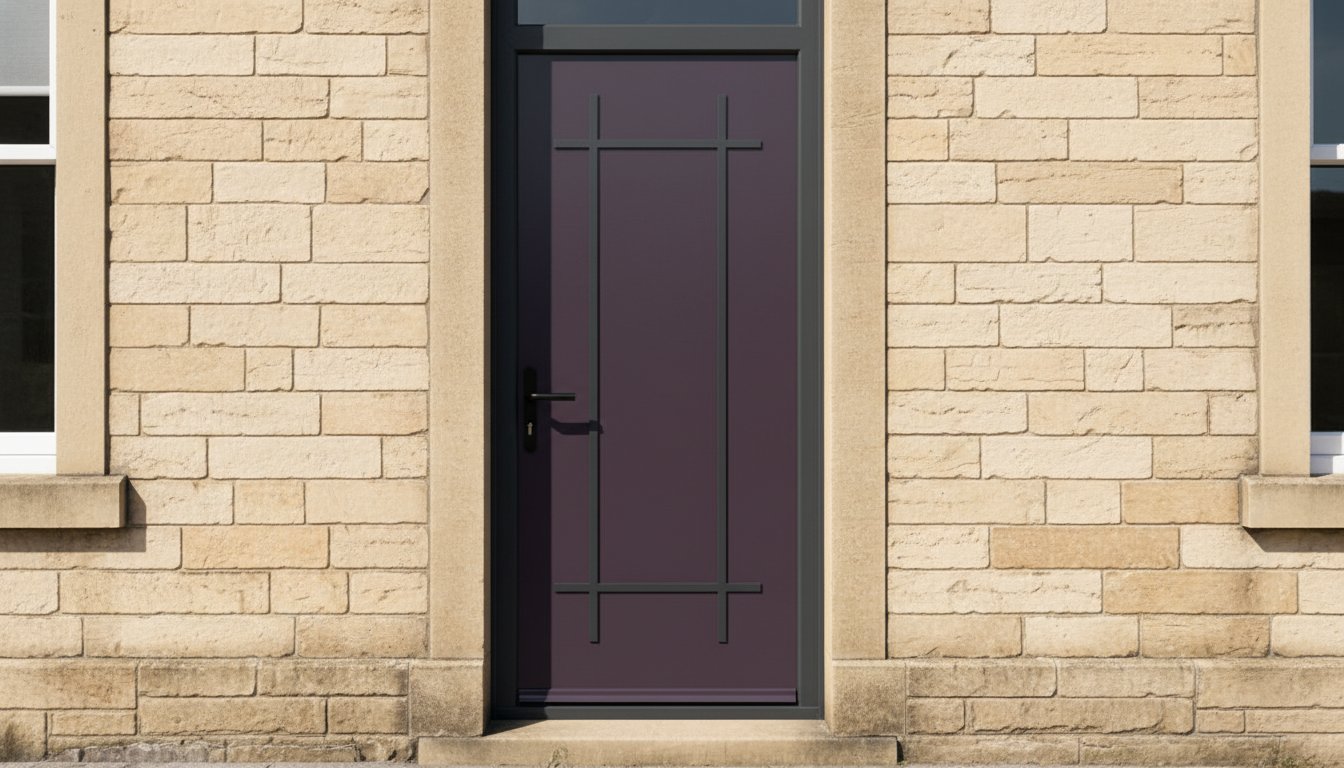
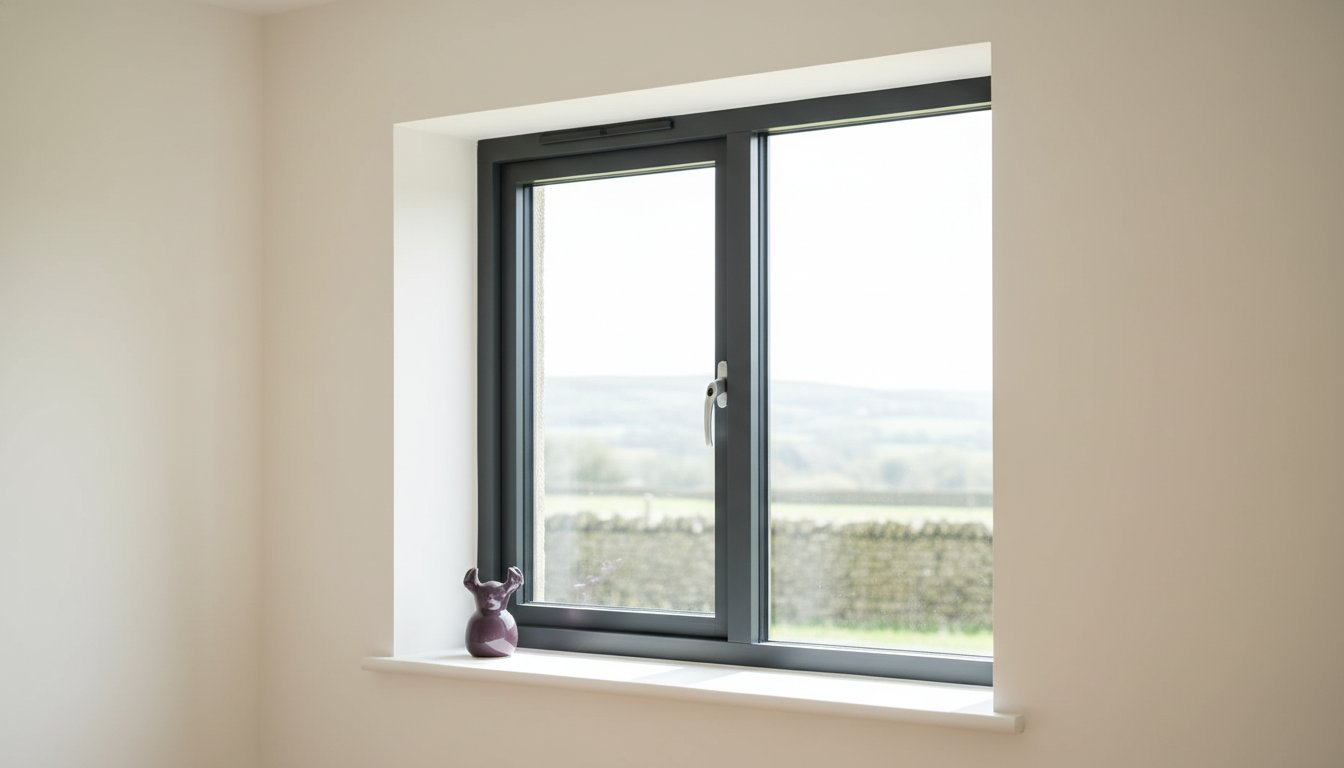
What if the very windows you bought to make your home warmer were actually contributing to a damp problem? It is a bitter pill to swallow for any homeowner who has invested in premium aluminium windows or uPVC upgrades, only to find black mould appearing on their brand-new frames. In Yorkshire, where a 2025 survey found that 39% of residents reported living with damp or cold, this frustration is more than just aesthetic; it is a genuine concern for your family’s health and the longevity of your property.
We understand the disappointment of seeing a significant investment seemingly backfire. However, the secret to preventing mould around new windows is not about sealing your house like a plastic box, but rather mastering the "airtightness paradox." Modern glazing is so efficient at stopping draughts that it can trap internal moisture from cooking and breathing. This guide will show you how to navigate the 2026 Building Regulations whilst ensuring your home remains a healthy, dry sanctuary. You will discover the professional steps required to balance insulation with vital ventilation, giving you total confidence that your investment is protected for years to come.
Key Takeaways
- Understand the "airtightness paradox" and why modern, high-performance seals require a proactive approach to home ventilation.
- Master the use of trickle vents and secure handle positions to ensure a constant, safe flow of fresh air throughout your Yorkshire home.
- Implement professional techniques for preventing mould around new windows by managing internal humidity levels and protecting your investment.
- Recognise how everyday activities, such as drying clothes or cooking, contribute to moisture build-up and learn how to mitigate their impact.
- Maintain the longevity of your window frames by clearing external drainage paths and using cleaning methods that protect delicate rubber seals.
Understanding the Airtightness Paradox: Why New Windows See Mould
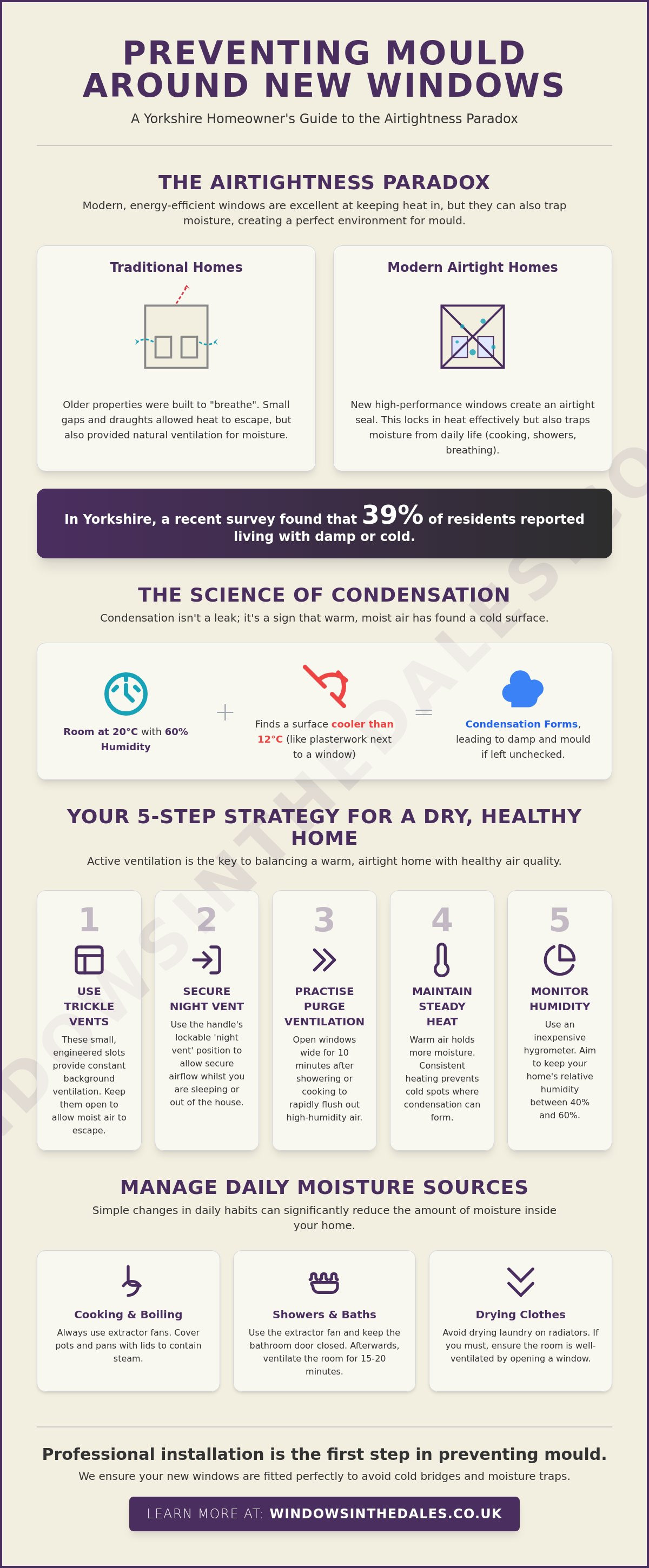
Modern building standards in 2026 require windows to be incredibly efficient, often achieving U-values as low as 1.2 W/m²K. Whilst this is fantastic for your heating bills, it creates what we call the airtightness paradox. Traditional Yorkshire homes were built to "breathe" through small gaps in timber frames and masonry. When you replace these with high-spec aluminium windows, you eliminate those natural draughts. You have successfully locked the heat inside, but without a strategy for preventing mould around new windows, you have also locked in the moisture produced by every shower, kettle, and breath.
Thermal performance and moisture evacuation are separate challenges. A window can be a world leader in heat retention but still suffer from damp issues if the surrounding environment isn't managed. In older setups, condensation formed on the cold glass, acting as a dehumidifier. Now, because the glass is warm, the dew point, which is the temperature where air can no longer hold water vapour, moves to the next coldest surface. This is typically the window reveal or the plasterwork. If this moisture is allowed to sit, it leads to indoor mould growth that can damage both your health and your new frames.
The Role of Condensation in Mould Growth
Surface temperature is the critical variable here. In a room kept at 20 degrees Celsius with a relative humidity of 60%, water will deposit on any surface cooler than 12 degrees. Relative humidity refers to the amount of water vapour in the air compared to the maximum it can hold at that temperature. Internal condensation isn't usually a sign of a leak; it's a sign that warm, moist air has found a cold spot to rest. Conversely, seeing condensation on the outside of your glass is actually a badge of honour, proving your windows are preventing heat from escaping to the outer pane.
New Windows vs. Traditional Yorkshire Properties
Properties in Harrogate, York, and the Dales often feature thick stone walls that retain cold for long periods. When a modern, slimline frame is fitted into these traditional masonry openings, a cold bridge can form. This happens when the external cold bypasses the window's thermal break and chills the internal plasterwork. You might notice dark speckles or a faint, earthy smell around the window reveal. These are early warning signs that the moisture in the air is settling in these specific cold pockets, requiring immediate attention to protect your fresh plaster.
How to Properly Ventilate Your Home to Stop Mould
Effective ventilation is the cornerstone of preventing mould around new windows. Whilst it might feel counterintuitive to let fresh air into a freshly insulated room, the key to mold control is moisture control. Without a dedicated path for water vapour to escape, your high-performance frames will simply act as a barrier that traps humidity against your internal walls. Following a few professional steps will ensure your home breathes correctly without compromising your comfort.
- Step 1: Identify and open all trickle vents. These small slots at the top of your frames are not "leaks"; they are precision-engineered to provide background ventilation.
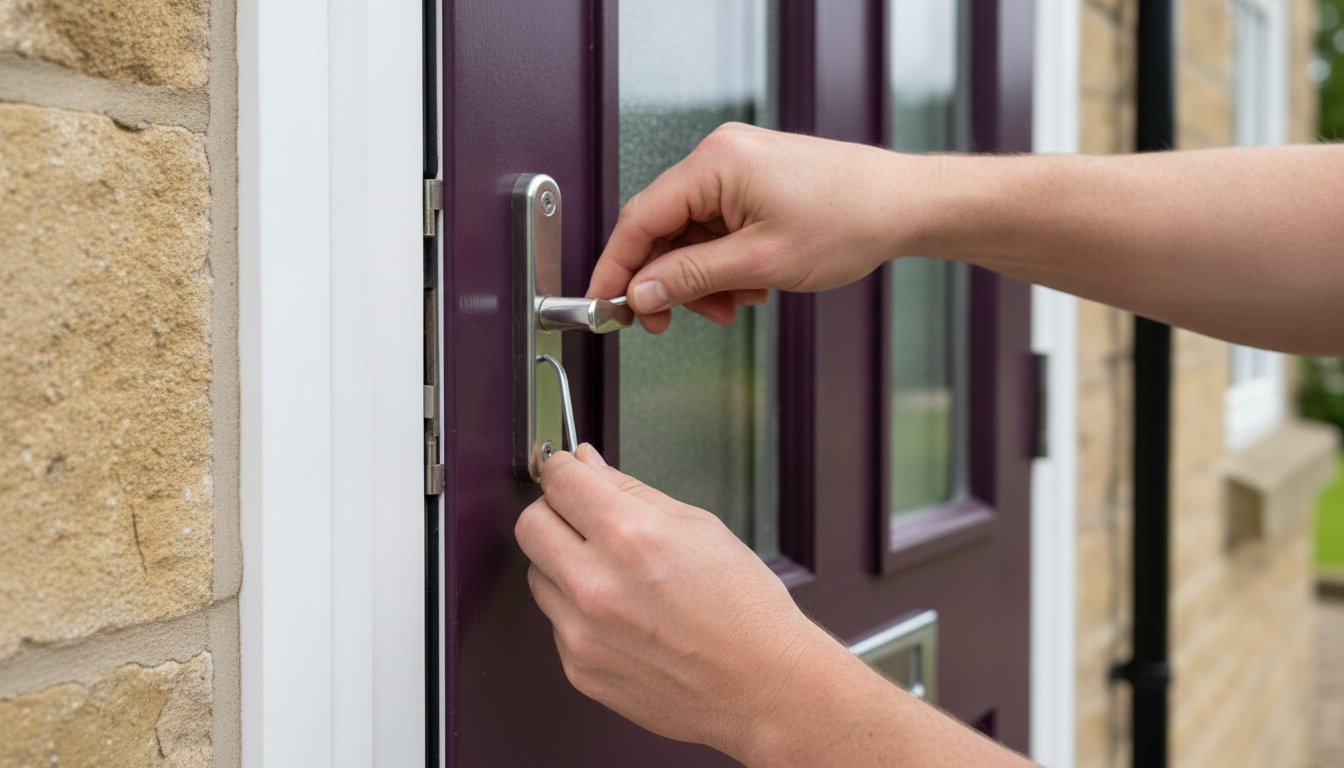
- Step 2: Use the night vent position. Most modern handles allow you to lock the window slightly ajar, providing secure airflow while you sleep.
- Step 3: Practise purge ventilation. Open your windows wide for ten minutes after showering or cooking to flush out high-moisture air quickly.
- Step 4: Maintain a steady temperature. A February 2026 report found that 53% of households with mould could reduce the issue by properly heating their homes, as warm air holds more moisture.
- Step 5: Invest in a hygrometer. These affordable devices help you monitor internal humidity; you should aim for a level between 40% and 60% to prevent spore growth.
Mastering Your Window’s Ventilation Features
The mechanics of trickle vents differ slightly between materials. In our uPVC windows, vents are often integrated into the frame itself, whereas aluminium variants may have a more slimline, discrete profile. You should only close these vents during extreme Yorkshire storms or when external pollution is high. Keeping them open for the remainder of the year is essential for meeting the 2026 Building Regulations Part F standards, which prioritise consistent air exchange over total sealing.
Cross-Ventilation Strategies for Larger Homes
Air needs a clear path to move. To truly clear damp air, you must create a "wind tunnel" effect by opening windows at opposite ends of your property. Keep internal doors open whilst ventilating to allow this airflow to reach every corner. Many homeowners fear this makes the house cold, but this is a common myth. Dry air is actually much faster and cheaper to heat than damp, heavy air. By removing the humidity, your central heating system will work more efficiently, saving you money whilst protecting your masonry. If you are planning a renovation, you can request a quote for frames that include these advanced ventilation options as standard.
Controlling Humidity: Lifestyle Adjustments for Yorkshire Owners
Whilst high-performance glazing provides the thermal barrier your home needs, your daily habits dictate how much moisture that barrier has to contend with. Properly controlling moisture at its source is the most effective strategy for preventing mould around new windows. In our region, where the damp North Yorkshire climate often prevents us from hanging washing outside, we must be mindful of the sheer volume of water vapour we generate indoors. A single load of laundry can release up to five litres of water into your air as it dries. Without a plan to manage this, that vapour will inevitably find the coolest spot in the room to settle.
If you have recently renovated or replastered a room in a traditional Harrogate or York property, patience is required. "Wet trades" like plastering and screeding introduce hundreds of litres of water into the building's fabric. It can take several months for a newly plastered room to fully dry out. During this period, you may notice increased condensation on your new frames. This isn't a fault with the installation; it's the building's way of breathing out excess moisture. Even your collection of indoor plants contributes to the humidity levels, as they constantly release water through a process called transpiration.
Kitchen and Bathroom Moisture Management
Kitchens and bathrooms are the primary "engine rooms" for household humidity. You should ensure your extractor fans are equipped with over-run timers that keep them running for at least 15 minutes after you have finished showering or cooking. Always keep the doors to these rooms closed whilst they are in use to prevent steam from migrating to colder bedrooms. Using lids on your pans whilst boiling or simmering serves as a secret weapon against mould by trapping steam before it ever reaches your glazing.
Winter Heating Habits and Mould Prevention
During a harsh Yorkshire winter, the temptation is to use "pulsed heating," where the boiler is turned on high for short bursts. This is a mistake. It causes the air temperature to fluctuate wildly, allowing surfaces to drop below the dew point when the heating is off. You should aim to maintain a consistent minimum temperature of 15°C across all rooms, even those you aren't using. Finally, check your furniture placement. Pushing a sofa or heavy wardrobe directly against a window reveal blocks essential airflow, creating a stagnant pocket where mould can thrive undisturbed. Leaving a small gap ensures the air can circulate and keep the masonry dry.
Professional Installation: How Windows in the Dales Prevents Mould
High-performance glazing is only half the battle. If the installation process is flawed, even the most expensive units will eventually suffer from condensation and damp. We focus on preventing mould around new windows by eliminating the hidden cold spots where moisture likes to settle. This begins with the structural integrity of the frame and how it interacts with your home's masonry. A professional fitting ensures that the transition between your wall and the window is seamless, airtight, and thermally efficient.
In our aluminium windows, we utilise high-quality thermal breaks. These are insulating barriers placed between the inner and outer sections of the frame. They stop the bitter Yorkshire cold from "bridging" across the metal, keeping the internal surface of the frame warm. When the frame stays warm, it remains above the dew point, which stops water vapour from liquefying on the surface. We also pay close attention to sub-cills and drainage. If water cannot escape through the weep holes or if the sub-cill isn't pitched correctly, moisture will pool and eventually seep into your plasterwork. To combat this, we use premium anti-fungal silicone in every installation. This specialised sealant contains biocides that prevent the seal itself from discolouring or harbouring spores over time.
Thermal Integrity and Frame Selection
Choosing between materials often comes down to aesthetic preference, but both offer excellent mould-prevention properties when fitted correctly. Our uPVC windows feature multi-chambered profiles. These chambers trap air, acting as a series of mini-insulators that prevent heat loss. This keeps the frame temperature consistent with your room, significantly reducing the risk of surface condensation. We ensure every reveal is properly insulated before the final seal is applied, leaving no "cold pockets" behind the trim.
The Yorkshire Dales Installation Standard
Living in the Dales means your home faces unique environmental pressures, particularly wind-driven rain. A generic installation often fails because it doesn't account for the pressure differentials that force water into tiny gaps. We begin every project by surveying for existing damp. We don't just cover up problems; we identify if your masonry needs attention before we fit the new units. You can see the results of this meticulous approach in our case studies, where we've successfully upgraded heritage properties whilst maintaining their structural health. If you're ready to upgrade your home with frames designed for the local climate, you can request a quote today.
Long-Term Maintenance: Keeping Your Glazing Mould-Free
Your journey toward a damp-free home doesn't end once the installers leave your driveway. Whilst modern frames are designed for longevity, a proactive maintenance routine is essential for preventing mould around new windows over the coming decades. In the grit and dust of the Yorkshire landscape, external components can easily become clogged, hindering the very ventilation features you rely on to keep your rooms dry. A few minutes of attention twice a year will safeguard your investment and ensure your home remains a healthy environment.
One of the most overlooked aspects of window health is the external drainage system. Every frame features "weep holes"—small, discrete slots designed to channel water away from the internal tracks. If these become blocked by debris or spider webs, water can pool inside the frame, increasing local humidity and eventually leading to black mould on the internal seals. You should also conduct an annual inspection of the external sealant. Look for any signs of lifting or cracking where the frame meets the masonry. Even a tiny breach can allow moisture to bypass your home's thermal envelope, creating the cold pockets we discussed in previous sections.
Safe Cleaning Practices for Modern Frames
Maintaining the aesthetic of your aluminium or uPVC windows requires a gentle touch. Whilst some online sources suggest using vinegar or even bleach, these harsh chemicals can actually perish the delicate rubber gaskets that keep your windows airtight. Mild soapy water and a soft cloth are far superior for preserving the finish of your frames. Pay particular attention to your trickle vents; use the brush attachment on your vacuum cleaner to remove dust that might be restricting airflow. To maintain peak performance, you should apply a light coat of silicone-based lubricant to the rubber gaskets once every twelve months to prevent them from becoming brittle or sticking.
Protecting Your Investment and Warranty
Adhering to a regular cleaning and inspection schedule isn't just about aesthetics; it is often a requirement for preserving your long-term guarantee. Most professional installers provide a warranty that covers the integrity of the seals and the moving parts, but this can be voided if the units are neglected or cleaned with abrasive substances. If you ever spot "interstitial condensation"—moisture trapped between the two panes of glass—it indicates that the hermetic seal of the double-glazed unit has failed. In such cases, the unit must be replaced to restore its thermal properties. If you're concerned about the state of your current glazing or want to ensure your next upgrade is built to last, request a quote from our experts to discover how we prioritise durability and mould prevention in every Yorkshire home.
Securing a Healthier, Damp-Free Future for Your Yorkshire Home
Protecting your investment starts with understanding that modern glazing requires a proactive approach to home management. Mastering the airtightness paradox and utilising integrated ventilation features are the most effective strategies for preventing mould around new windows. By balancing high-performance insulation with consistent airflow and smart lifestyle habits, you ensure your living space remains bright, warm, and free from the health risks associated with damp. It's about making your home breathe as efficiently as it insulates.
We are FENSA registered installers who specialise in the unique requirements of Yorkshire heritage properties. Our premium aluminium and uPVC systems provide superior thermal performance alongside sophisticated, integrated ventilation to meet the latest 2026 standards. Don't allow moisture to compromise your home’s aesthetic or your family's health. Upgrade to mould-resistant architectural glazing today and experience the reliability of local craftsmanship. You deserve a home that is as healthy as it is beautiful.
Frequently Asked Questions
Why do my new windows have mould when my old ones did not?
Your new windows are likely far more airtight than your previous ones, which has inadvertently trapped moisture inside your home. Old timber frames often provided "passive ventilation" through small gaps and draughts that allowed air to circulate. Modern systems are engineered for maximum thermal efficiency, meaning you must now take an active role in preventing mould around new windows by using trickle vents and proper ventilation habits.
Are trickle vents legally required on new window installations?
Yes, trickle vents are a mandatory requirement under Building Regulations Part F for nearly all replacement window projects in England. These regulations ensure that your home maintains a healthy level of background ventilation to prevent the build-up of condensation and damp. Professional installers are legally obligated to comply with these standards to ensure your property remains safe and compliant with the latest 2026 building codes.
Will a dehumidifier solve the mould problem around my windows?
A dehumidifier will help reduce the volume of moisture in the air, but it should not be viewed as a standalone solution. Whilst these devices are effective at lowering relative humidity, they don't replace the need for fresh air exchange through your window's vents. Combining a dehumidifier with consistent use of trickle vents provides the most robust defence against persistent spore growth in damp Yorkshire properties.
Can I remove mould from window sealant without replacing it?
You can often remove surface mould using a mild detergent or a specialist mould spray if the spores haven't penetrated deep into the silicone. If the black staining appears to be behind the sealant, the only permanent fix is to strip it away entirely. We always recommend replacing old sealant with a high-quality anti-fungal silicone to prevent the problem from returning and to protect the frame's integrity.
How often should I open my windows in winter to prevent damp?
You should practise "purge ventilation" by opening your windows wide for at least 10 to 15 minutes every morning. This is particularly vital in the winter months when the temperature difference between inside and outside is at its peak. Flushing out the heavy, moisture-laden air produced overnight replaces it with drier external air, which is actually much faster and cheaper for your central heating to warm up.
Does the type of frame (Aluminium vs uPVC) affect mould growth?
The material itself doesn't cause mould, but the thermal performance of the frame is a critical factor in its prevention. High-quality aluminium windows with thermal breaks and multi-chambered uPVC frames both work to keep the internal surface temperature above the dew point. If a frame becomes too cold, condensation will form; this is why choosing a premium system with excellent U-values is essential for a dry home.
Is black mould around windows a sign of a faulty installation?
Black mould is rarely a sign of a faulty window, but it can occasionally indicate "cold bridging" or a failed external seal. Most often, it's a result of high internal humidity and restricted airflow within the room. However, if you notice mould in one specific corner despite good ventilation, it's worth asking a specialist to check for gaps in the perimeter insulation or blocked external weep holes.
What is the ideal humidity level to prevent mould in a UK home?
The ideal humidity level for a UK home is between 40% and 60% relative humidity. Staying within this specific range ensures the air is comfortable for residents whilst remaining too dry for mould spores to thrive on your walls or frames. You can easily monitor this using an affordable hygrometer; if your levels consistently exceed 60%, you must increase your ventilation immediately to protect your home's fabric.