Is your sliding door quietly draining your bank account whilst compromising your family's safety? Many homeowners across Yorkshire believe that as long as a door still opens, it remains a sound investment, yet they often miss the subtle signs you need to replace your sliding doors until a major fault occurs. Outdated mechanisms and failing seals are frequently the primary culprits behind soaring energy bills and persistent draughts that even the best central heating cannot combat.
We understand that your home is a sanctuary. You shouldn't have to settle for sticking tracks or flimsy locks that keep you awake at night. This guide reveals the critical warning signs that your current system is failing and promises to show you how to regain effortless operation. You'll learn how to spot invisible thermal leaks and why upgrading to high-performance aluminium sliding doors is the smartest way to enhance your property's architectural appeal and natural illumination.
We've analysed the 2026 industry standards and the upcoming Future Homes Standard requirements to help you move away from temporary fixes toward lasting quality. We will walk you through seven essential indicators, from failing U-values to compromised security features. This ensures your home remains a bright, secure, and thermally efficient space for years to come.
Key Takeaways
- Learn how the challenging Yorkshire climate accelerates material fatigue and why professional-grade aluminium offers superior longevity compared to older uPVC models.
- Identify the critical signs you need to replace your sliding doors, including visible condensation between panes and the physical effort required to operate sticking tracks.
- Evaluate the long-term financial advantages of a full replacement versus the diminishing returns of temporary weatherstripping or roller repairs.
- Understand the latest 2026 energy requirements and how high-performance glazing helps your home meet the rigorous "gold standard" for thermal efficiency.
- Discover how transitioning to slimline aluminium sliding doors can flood your home with natural light whilst significantly enhancing your property's security and kerb appeal.
Understanding the Lifespan of Modern Sliding Patio Doors
The Yorkshire Dales landscape is breathtaking, but the climate is notoriously demanding on your property's exterior. High winds and driving rain in areas like Skipton and Harrogate test the structural integrity of every entrance. Whilst a standard sliding glass door might look functional, its internal components often fatigue long before the glass breaks. Understanding these lifespans is the first step in identifying the signs you need to replace your sliding doors before they become a liability.
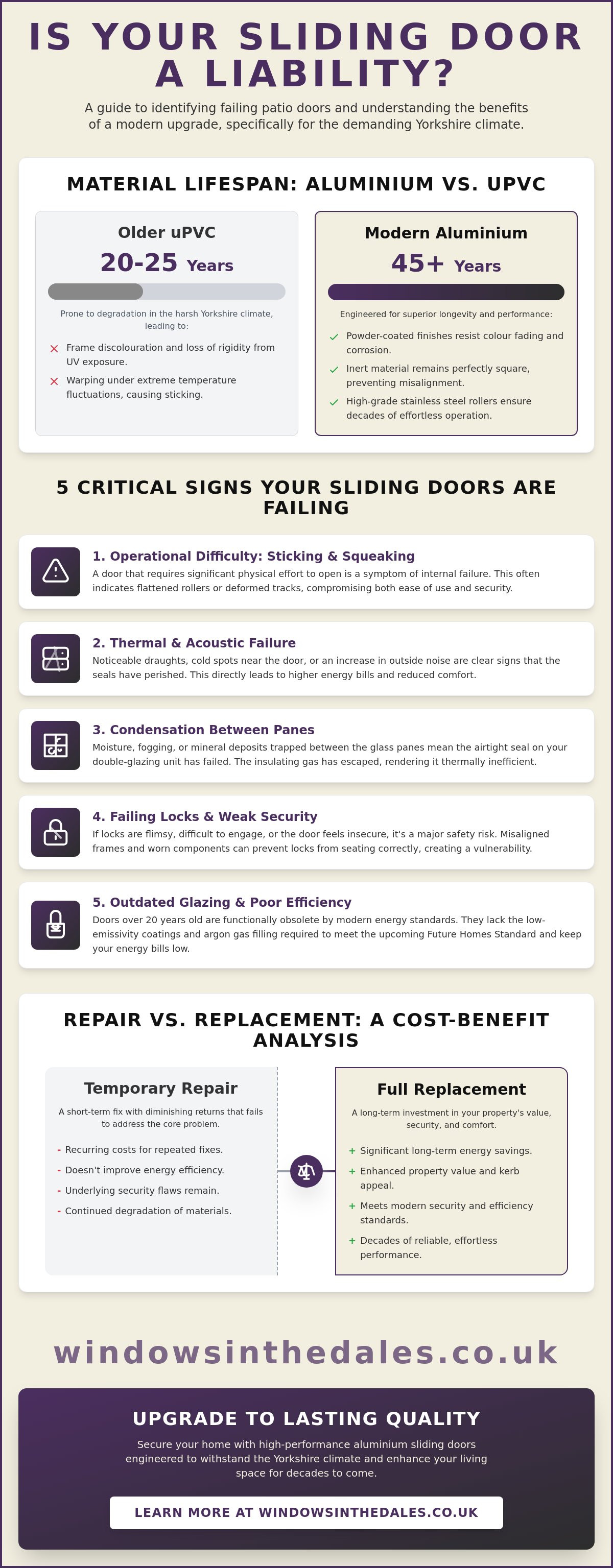
Typically, older uPVC models offer a lifespan of 20 to 25 years before the frames begin to discolour or lose their rigidity. In contrast, modern Aluminium Sliding Doors are engineered for longevity. These systems often exceed 45 years of reliable service. This durability isn't just about the metal; it's about the sophisticated thermal breaks and powder-coated finishes that resist the corrosive dampness of the Northern air. Regular maintenance, such as clearing debris from tracks and lubricating rollers, can extend this life, but it cannot reverse the natural degradation of older materials.
Material Matters: Aluminium vs uPVC Longevity
Aluminium provides the structural stability required for the expansive glass spans favoured in contemporary Yorkshire homes. Unlike older uPVC windows and doors which can warp under extreme temperature fluctuations, aluminium remains perfectly square. This prevents the "heavy door" syndrome caused by misaligned tracks and ensures the locking points always meet securely.
- Powder-coating ensures the frame colour remains vibrant despite UV exposure.
- Inert materials prevent the frame from absorbing moisture or expanding in the heat.
- High-grade stainless steel rollers maintain effortless operation for decades.
The Evolution of Architectural Glazing Standards
The double glazing technology of the 1990s is fundamentally different from today's high-performance units. Older systems often relied on simple air-filled gaps that provide minimal insulation by 2026 standards. Modern units utilise argon-filled chambers and low-emissivity coatings to achieve superior thermal performance. If your doors are over two decades old, they are likely functionally obsolete. They fail to meet the "fabric first" approach required for modern energy efficiency. Recognising these technical shortcomings is one of the clear signs you need to replace your sliding doors to protect your home's thermal comfort and reduce your carbon footprint.
5 Critical Warning Signs Your Sliding Doors are Failing
Identifying the signs you need to replace your sliding doors isn't always about a shattered pane or a total mechanical failure. It's often found in the subtle, daily frustrations that signal a decline in your home's protective envelope. While organisations like the National Association of Home Builders suggest that patio doors can last for decades, the specific pressures of the Yorkshire climate often accelerate this timeline. Recognising these early indicators can prevent a minor draught from becoming a major structural failure.
Operational Red Flags: Sticking and Squeaking
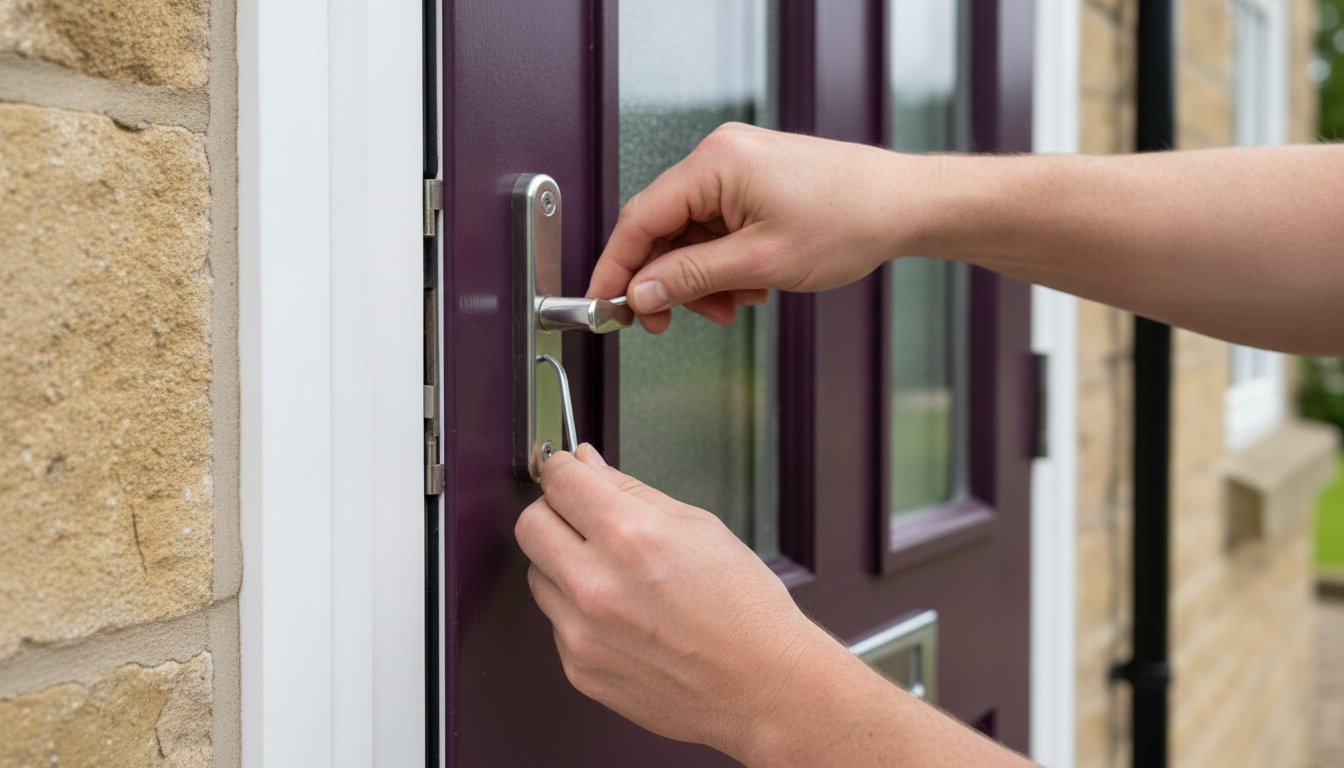
A door that requires significant physical effort to open is more than just a nuisance. It's a symptom of internal collapse. Over time, the weight of the glass can cause rollers to flatten or tracks to deform. Whilst many homeowners try to solve this with a quick clean, persistent sticking usually indicates that the structural integrity of the track is compromised. Damaged rollers can compromise home safety by making the door easier to lift off its track or preventing a secure lock engagement. If the frame is already misaligned, continuing to force the door can lead to permanent damage to the surrounding masonry.
Thermal and Acoustic Failure
Your sliding doors should act as a silent barrier against the outside world. If you've started to notice increased road noise or "ghost drafts" that chill your living room in Leeds or York, your seals have likely perished. These draughts are a primary driver of high heating bills. Visible condensation between the glass panes is the most obvious indicator of a "blown" unit. This occurs when the desiccant inside the spacer bar is saturated, meaning the insulating gas has escaped. Once this seal fails, your door is no longer providing a thermal barrier, leading to increased humidity and potential mould growth around the frame.
Beyond performance, security remains a paramount concern. By 2026, the industry has moved toward much more rigorous standards. Many older sliding doors rely on simple hook locks that are easily bypassed by modern intruders. If your current system doesn't meet PAS 24 security standards, you may find your home insurance is technically invalid in the event of a break-in. Structural decay, such as significant discolouration of uPVC or rot in older timber frames, further weakens these entry points. Recognising these signs you need to replace your sliding doors early allows you to invest in a solution that offers both peace of mind and visual elegance. If you've noticed these red flags, it might be time to request a quote for a high-performance upgrade.
Repair vs. Replacement: When is it Time to Invest?
Deciding whether to patch up an old entrance or invest in a total overhaul is a common crossroads for homeowners across North Yorkshire. Whilst a minor repair might seem cost-effective in the short term, it often masks the deeper signs you need to replace your sliding doors that will inevitably resurface. Patching up a draughty door with new weatherstripping or a bead of sealant is frequently a false economy. It fails to address the underlying issue of poor thermal breaks and outdated glazing technology that quietly inflates your heating bills month after month. You're effectively spending money to maintain a system that is already functionally obsolete by 2026 standards.
The Repair Checklist: Can it be Saved?
A professional assessment often starts with the hardware. If your frames are structurally sound but the handles are pitted or the rollers have simply reached the end of their service life, a mechanical repair can be a sensible stopgap. This makes financial sense when the frame itself hasn't reached its fatigue point. However, you must be cautious if you are considering replacing only the glass units within an old uPVC or timber frame. You'll gain clearer views, but you'll still be left with a frame that leaks heat. Structural warping is a definitive deal-breaker. Once a frame has twisted due to age or thermal stress, it can no longer form a weather-tight seal. At this stage, any attempt at a repair is throwing good money after bad.
Long-term Value of Full Replacement
The transition to premium aluminium sliding doors represents a strategic investment in your property's future. In competitive markets like Harrogate and Skipton, modern architectural glazing is a high-value feature that attracts discerning buyers. You aren't just buying a door; you're securing a comprehensive 10-year guarantee and a significant reduction in seasonal maintenance. Unlike older materials, aluminium doesn't require the constant attention that timber or low-grade uPVC demands.
The true return on investment is found in lower energy consumption, enhanced security, and the daily pleasure of effortless, silent operation. Replacing a failing system isn't just about solving a mechanical problem. It's about transforming your living space into a light-filled, secure sanctuary that meets the rigorous standards of 2026. This modern approach ensures your home remains a guardian of your comfort and your investment for decades to come.
Upgrading for the Yorkshire Climate: Energy Efficiency and Security
Homes in Harrogate and Skipton face specific meteorological challenges. High-altitude towns and exposed valley locations require doors that won't rattle or bow when the wind speed picks up. Your sliding doors must resist these forces without compromising the seal. If you notice your curtains fluttering even when the door is shut, these are clear signs you need to replace your sliding doors before the next winter storm arrives. Modern systems are engineered to withstand high wind loads, ensuring your home remains a quiet, still sanctuary regardless of the weather outside.
Thermal performance is the cornerstone of a 2026 home upgrade. Whilst older units often struggle to keep heat in, modern glazing targets a U-value of 1.2 W/m²K or better. The "gold standard" for high-performance homes is now 0.8 W/m²K, a level of efficiency that often requires triple glazing. These figures aren't just technical jargon; they represent a significant reduction in the energy required to keep a Northern home warm. Maximising natural light no longer means sacrificing heat retention if you choose the right specifications.
Weatherproofing Against the Dales
Superior weatherproofing starts with the hardware. Multi-point locking systems do more than provide security; they pull the door sash tightly against the frame at several points. This prevents the frame from being leveraged by high winds. High-quality EPDM gaskets are equally vital for preventing water ingress during driving rain. A thermal break is a high-density insulating barrier placed between the internal and external aluminium profiles to stop heat escaping and prevent cold from entering your home. This technology is essential for meeting 2026 energy standards and eliminating the condensation that plagues older metal frames.
Modern Security Standards for Peace of Mind
Security expectations have evolved significantly. Modern aluminium windows and doors now feature anti-snap cylinders and toughened or laminated glass as standard. These components are designed to resist the sophisticated methods used by modern intruders. Choosing products with PAS 24 or Secured by Design accreditation is the most reliable way to protect your family and your investment. Beyond physical safety, these certifications often lead to lower home insurance premiums. They prove that your property meets the highest industry benchmarks for resilience. If your current locks feel flimsy or outdated, don't wait for a breach to occur. You can start your security upgrade today and enjoy the peace of mind that comes with professional-grade protection.
Enhancing Your Home with Premium Aluminium Sliding Doors
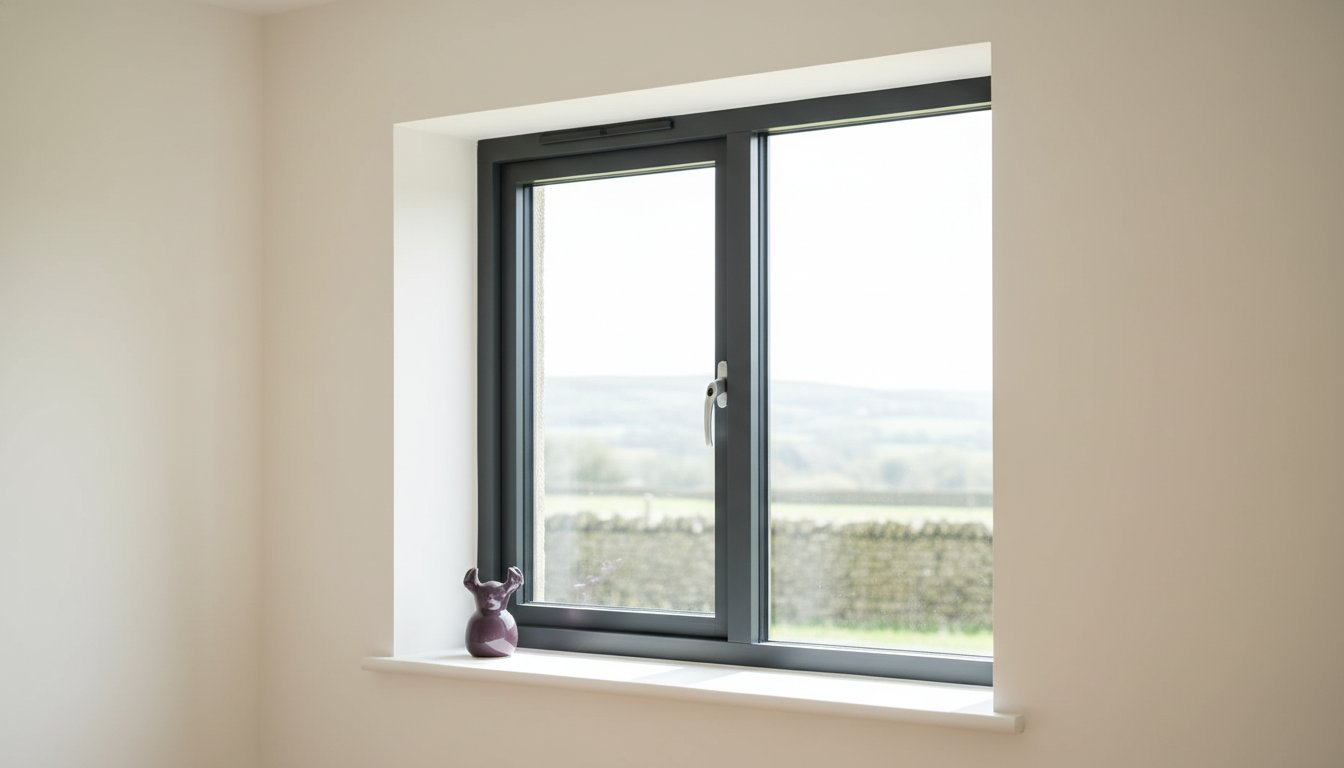
Having identified the clear signs you need to replace your sliding doors, the focus shifts from managing failure to embracing contemporary design. Moving away from bulky, outdated frames allows you to reclaim your view and flood your home with natural light. Modern aluminium sliding doors offer incredibly slimline profiles that were simply unachievable with older materials. This aesthetic transition transforms a standard patio entrance into a seamless glass wall, blurring the boundary between your interior sanctuary and the Yorkshire landscape.
Customisation is central to this transformation. You can choose from a vast palette of powder-coated colours and textures to ensure your new doors complement your property's character perfectly. Whether you require a traditional anthracite grey or a bespoke finish that matches your existing uPVC windows, the results are both durable and visually striking. These finishes are designed to resist fading and scratching; they ensure your investment maintains its premium appearance for decades.
Tailored Solutions for Leeds, York, and Harrogate
Yorkshire's architectural diversity requires a nuanced approach. A heritage stone cottage in the Dales demands a different aesthetic than a modern townhouse in Leeds. Choosing a local specialist ensures your project is handled with regional pride and technical precision rather than the generic approach of a national firm. We focus on community-focused accountability and professional service delivery. You can see the impact of this local expertise by viewing our case studies of property transformations across the region.
Your Journey to a Brighter Home
A professional installation is a structured, logical process designed to minimise disruption. Our team manages every detail, from the initial site survey to the final weather-seal check. If you've recognised the signs you need to replace your sliding doors, the next step is a consultative assessment of your space. You can request a bespoke quote to begin this journey toward a more secure and efficient home.
Before our team arrives, please consider this final preparation checklist:
- Clear the immediate area to provide safe access for the installers.
- Ensure pets and children are kept away from the work zone for safety.
- Confirm your final hardware and colour choices well before the installation date.
- Prepare to review the effortless operation and multi-point locking system upon completion.
Secure Your Home's Future with High-Performance Glazing
Your home deserves a transition from failing, draughty hardware to a seamless architectural statement that stands the test of time. We've explored how modern aluminium systems outperform older uPVC and timber by offering superior thermal breaks and slimline aesthetics. By identifying the signs you need to replace your sliding doors today, you avoid the escalating costs of thermal inefficiency and the hidden risks of outdated security mechanisms. This proactive approach protects your investment whilst enhancing your daily living experience.
As specialists in architecturally sensitive heritage projects, we provide expert installation across York, Leeds, and Harrogate. Every high-performance aluminium system we install comes with a comprehensive 10-year guarantee for your peace of mind. This commitment ensures your property remains a sanctuary of natural light and thermal comfort. Don't wait for a total mechanical failure to compromise your safety or your energy bills. Take the first step toward a brighter, more secure living space that perfectly complements the Yorkshire landscape.
Request a bespoke quote for your sliding door replacement today and transform your home with the craftsmanship it deserves.
Frequently Asked Questions
How long should sliding patio doors typically last?
Sliding patio doors typically last between 20 and 45 years depending on the material used and the local environment. Older uPVC models usually reach their fatigue point after two decades; however, modern aluminium systems are engineered to exceed 45 years of service. In the demanding Yorkshire climate, regular maintenance is essential to preserve the seal integrity and smooth operation of these expansive glass units.
Can I replace just the glass in my sliding door if the frame is fine?
You can replace just the glass units; however, this is often a short-term solution that fails to address structural frame issues. Whilst new glazing improves clarity, it cannot fix a warped frame or outdated locking mechanisms. If your frames are showing signs you need to replace your sliding doors, such as draughts or mechanical sticking, a full replacement is the only way to ensure long-term thermal efficiency.
Why is there condensation on the inside of my sliding glass doors?
Condensation between the panes indicates that the unit's hermetic seal has failed, allowing moisture to enter the insulating gap. This "blown" unit means the insulating gas has escaped, rendering the door thermally ineffective. Whilst surface condensation on the inside can sometimes be managed with better ventilation, internal fogging is a definitive signal that the glazing has reached the end of its functional life.
Are modern aluminium sliding doors more secure than old uPVC ones?
Modern aluminium sliding doors are significantly more secure than older uPVC models due to advanced hardware and material strength. Contemporary systems feature multi-point locking mechanisms and anti-snap cylinders that meet rigorous PAS 24 standards. These structural enhancements provide a level of resistance against forced entry that older, single-point latch systems simply cannot match, often leading to more favourable home insurance terms.
How much does it cost to replace a sliding patio door in Yorkshire?
The cost of replacement varies based on the dimensions of the opening and your choice of high-performance materials. Homeowners in York and Harrogate should consider the long-term energy savings and property value increase when evaluating their investment. We recommend requesting a professional site survey to receive a precise assessment tailored to your property's specific architectural requirements and wind load needs.
What is the most energy-efficient material for replacement sliding doors?
Aluminium equipped with sophisticated thermal breaks is widely considered the most efficient choice for modern sliding doors. These insulating barriers prevent heat transfer through the metal frame, allowing the system to achieve U-values as low as 1.2 W/m²K or even 0.8 W/m²K with triple glazing. This "fabric first" approach is essential for meeting 2026 energy standards and maintaining a consistent temperature in Northern homes.
Do I need planning permission to replace my sliding doors with bifolds?
Replacing existing sliding doors with aluminium bifold doors usually falls under Permitted Development and does not require planning permission. However, if you live in a Conservation Area or a listed building, you must consult your local authority before commencing work. You should also check if the new installation requires structural alterations to the opening, as this may necessitate Building Regulations approval.
How do I know if my sliding door track is broken or just dirty?
You should first thoroughly clean the track and rollers with a vacuum and a damp cloth to rule out simple debris. If the door remains difficult to slide or feels "heavy" after cleaning, it's likely that the rollers have flattened or the track has become misaligned. Persistent operational struggle is one of the most reliable signs you need to replace your sliding doors to avoid further damage to your home's structure.