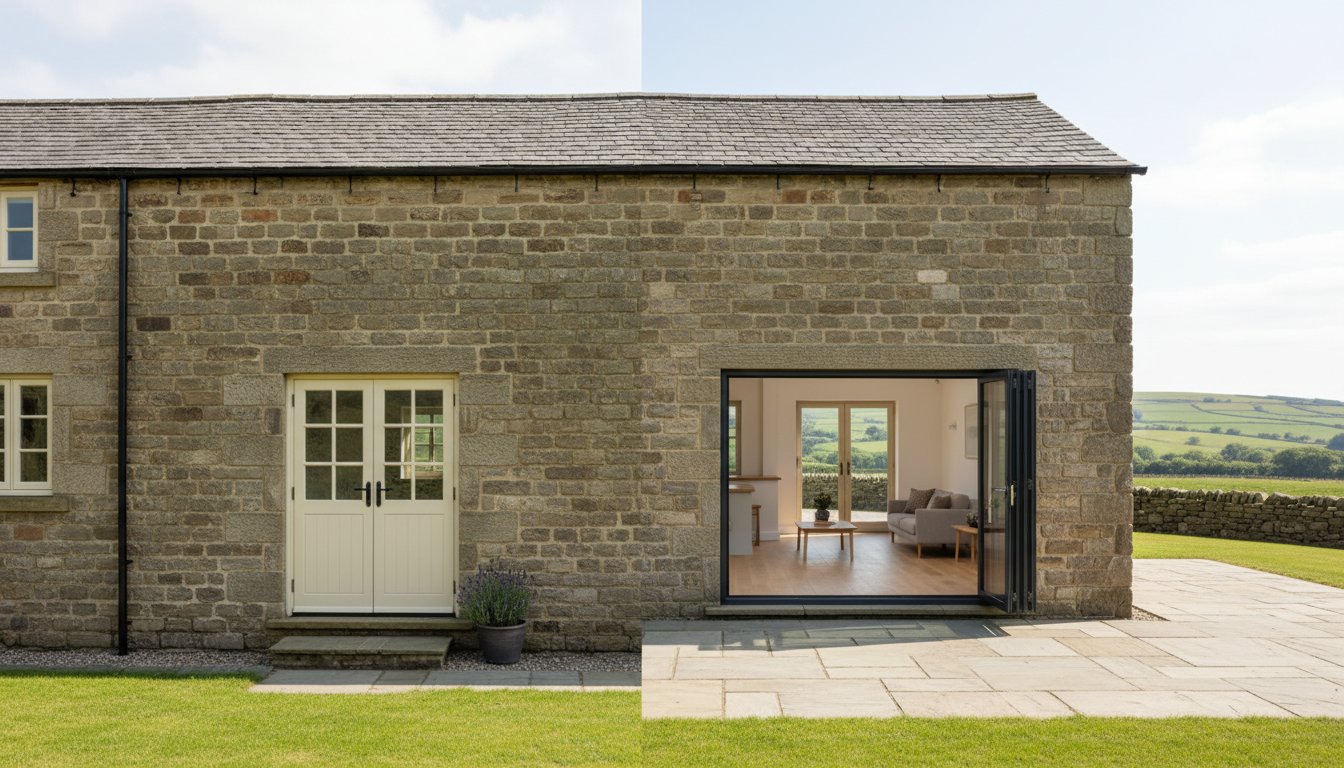
You might assume that only timber French doors belong on a centuries-old Yorkshire property, but modern slimline aluminium could actually be the key to honouring your home's heritage. Deciding between Bifolds vs. French Doors: Which Suits a Traditional Dales Farmhouse? is a common challenge when you're working with thick stone walls and small, dark apertures that struggle to let in the North Yorkshire sun. It's a delicate balance of architectural sympathy and the practical need for more light in your living space.
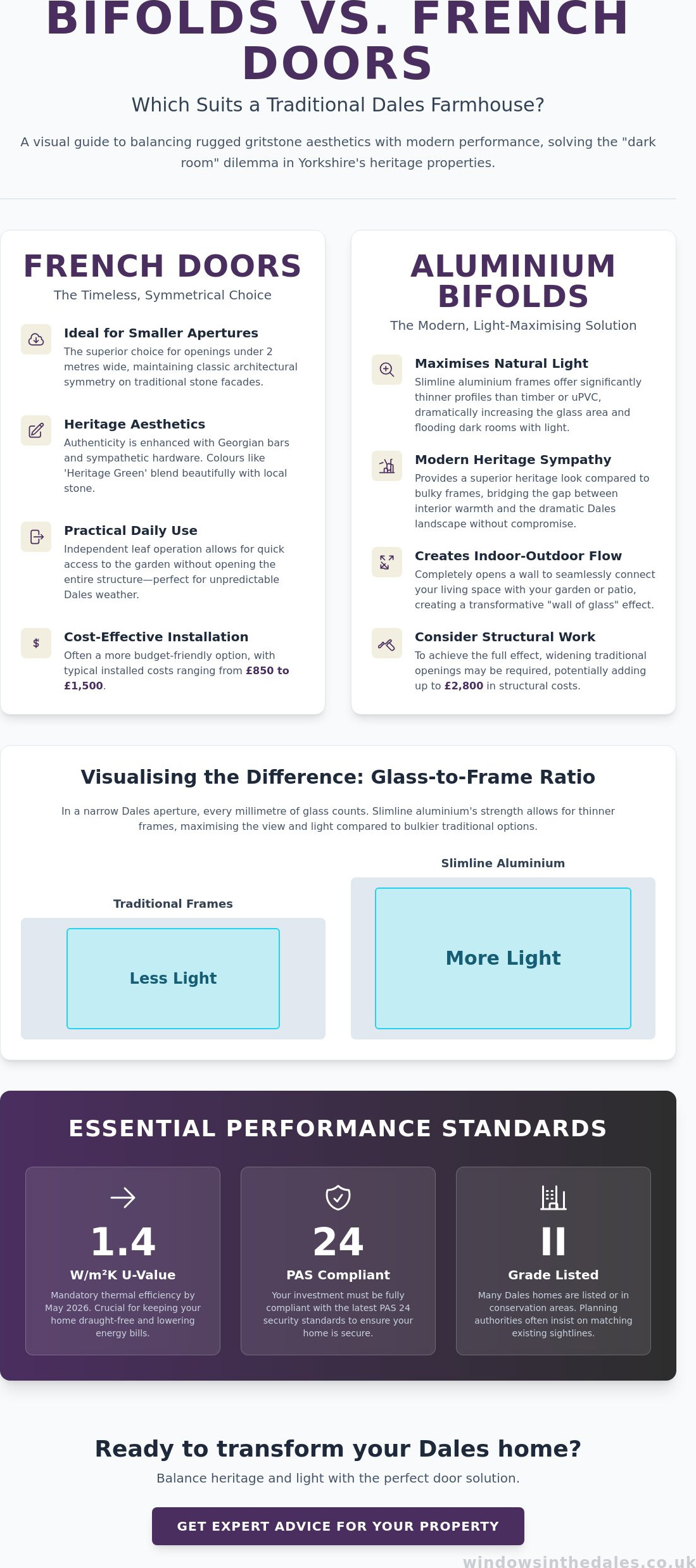
In this guide, you'll discover how to choose a style that preserves the character of the Dales whilst meeting the strict 1.4 W/m²K U-value thermal requirements mandated by May 2026 building regulations. We'll compare the cost-effectiveness of classic French doors, which often range from £850 to £1,500 installed, against the transformative power of aluminium bifolds to ensure your home remains draught-free and secure. We'll also explore how to manage the £2,800 structural costs often associated with widening traditional stone openings, ensuring your investment protects both your comfort and your property's unique heritage.
Key Takeaways
- Learn how to balance rugged gritstone aesthetics with modern glazing to solve the "dark room" dilemma common in older stone properties.
- Discover the critical differences in Bifolds vs. French Doors: Which Suits a Traditional Dales Farmhouse? based on your specific aperture size and architectural symmetry.
- Understand the latest 2026 thermal efficiency requirements to ensure your new doors keep the harsh Yorkshire winter out whilst lowering your energy bills.
- Identify why slimline aluminium often provides a superior heritage look compared to bulky timber by maximising natural light through traditional narrow openings.
- Audit your home’s security and structural readiness to avoid costly installation mistakes and ensure your investment is fully PAS 24 compliant.
The Architectural Challenge: Glazing for Yorkshire Stone Farmhouses
Traditional Yorkshire farmhouses weren't built for views; they were built for shelter. Constructed from rugged gritstone or limestone, these properties feature thick walls designed to withstand biting Pennine winds. Whilst these walls offer excellent thermal mass, they usually house small apertures that leave interiors feeling gloomy. This creates a disconnect between the cosy kitchen and the rolling landscape outside. When homeowners ask, Bifolds vs. French Doors: Which Suits a Traditional Dales Farmhouse?, the answer starts with understanding these structural realities.
Modern glazing must now meet the May 2026 Building Regulations, which require a U-value of 1.4 W/m²K or lower for replacement doors. In the Dales, where driving rain and high altitudes are the norm, your choice isn't just about looks. It's about weather performance. High-quality aluminium or uPVC systems must provide superior air permeability and water tightness. This prevents the "draughty farmhouse" reputation from becoming a reality during a harsh Yorkshire winter.
Understanding Your Property's Heritage Constraints
Many Dales homes are Grade II listed or situated within the Yorkshire Dales National Park's conservation areas. Planning authorities often insist on matching existing sightlines to maintain the building's historic profile. If your farmhouse has 600mm thick stone walls, you must consider the "stacking depth." Unlike French doors that swing flat against an external wall, Folding doors require space to bunch together. This can sometimes block a significant portion of a narrow opening, making the choice of frame material and configuration critical for your project.
Maximising Light in Small Apertures
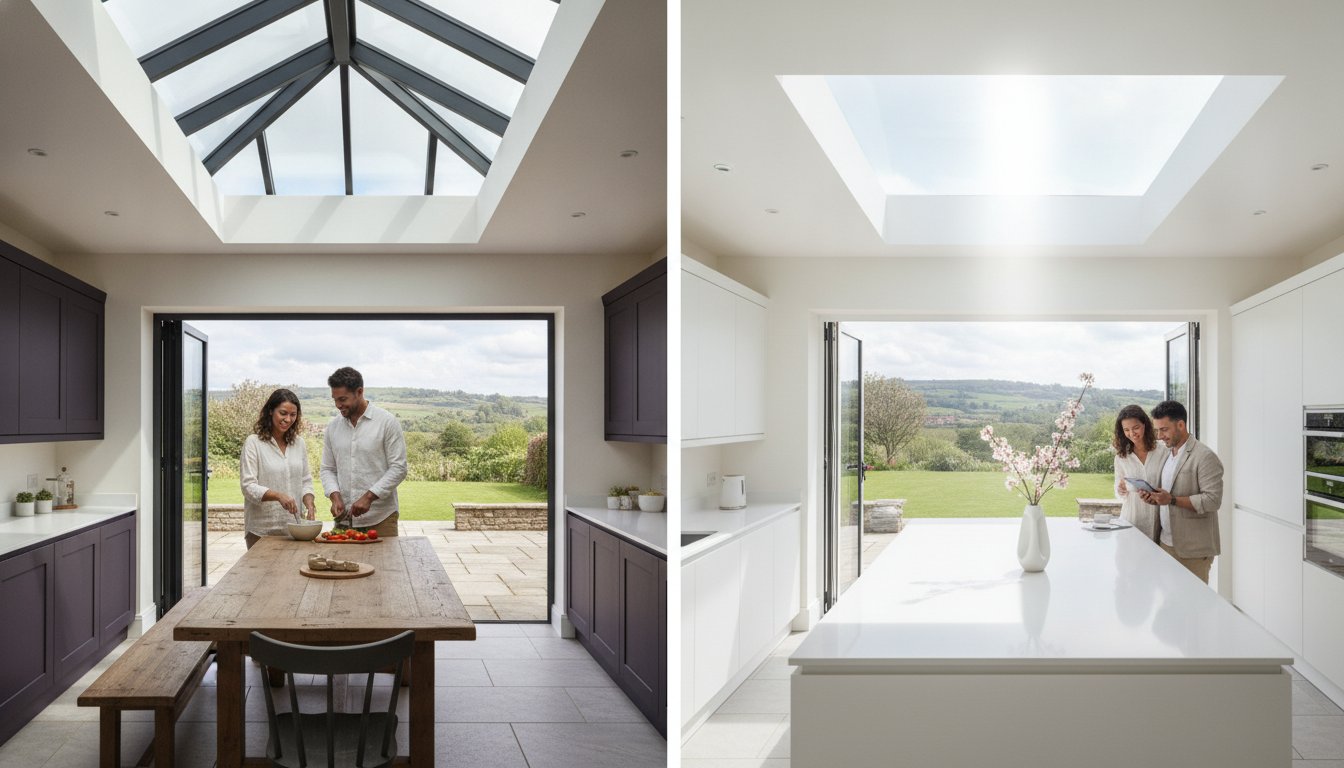
Every millimetre of glass matters in a north-facing stone cottage. Traditional timber frames are often bulky, which further reduces the already limited light intake. This is where slimline aluminium becomes a game-changer. By using high-strength aluminium, we can achieve much thinner profiles than wood or standard uPVC. This allows for larger panes of glass within the same rugged stone opening. It effectively bridges the gap between your interior warmth and the dramatic Dales vista. This transformation turns a dark, disconnected room into a light-filled hub of the home without compromising the property's rugged charm.
French Doors: The Timeless Choice for Traditional Dales Homes
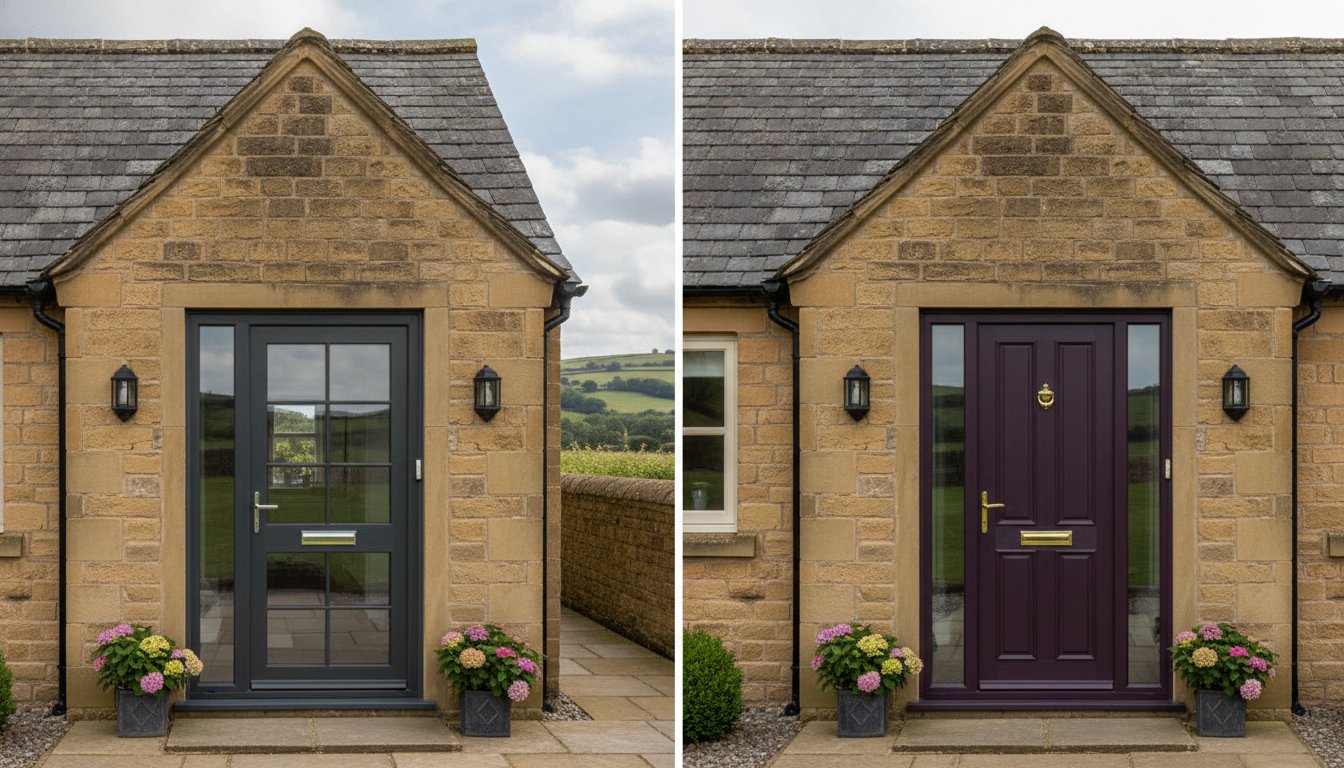
For many 17th and 18th-century properties, French doors remain the architectural gold standard. They offer a level of symmetry that perfectly complements the classic facade of a Yorkshire stone farmhouse. When homeowners evaluate Bifolds vs. French Doors: Which Suits a Traditional Dales Farmhouse?, the decision often rests on the existing aperture. If your opening is less than 2 metres wide, French doors are almost always the superior choice. They provide a balanced, elegant look that doesn't overwhelm the rugged gritstone exterior.
Practicality is another major factor. French doors allow for independent leaf operation. This means you can quickly nip out into the garden or let the dog out without sliding open a massive glass wall. In a region where a "fine day" can turn into a Pennine downpour in minutes, this quick access is invaluable. Modern versions also meet the May 2026 thermal standard of 1.4 W/m²K, ensuring your kitchen stays warm whilst you enjoy the view.
Heritage Styling: Beyond the Basics
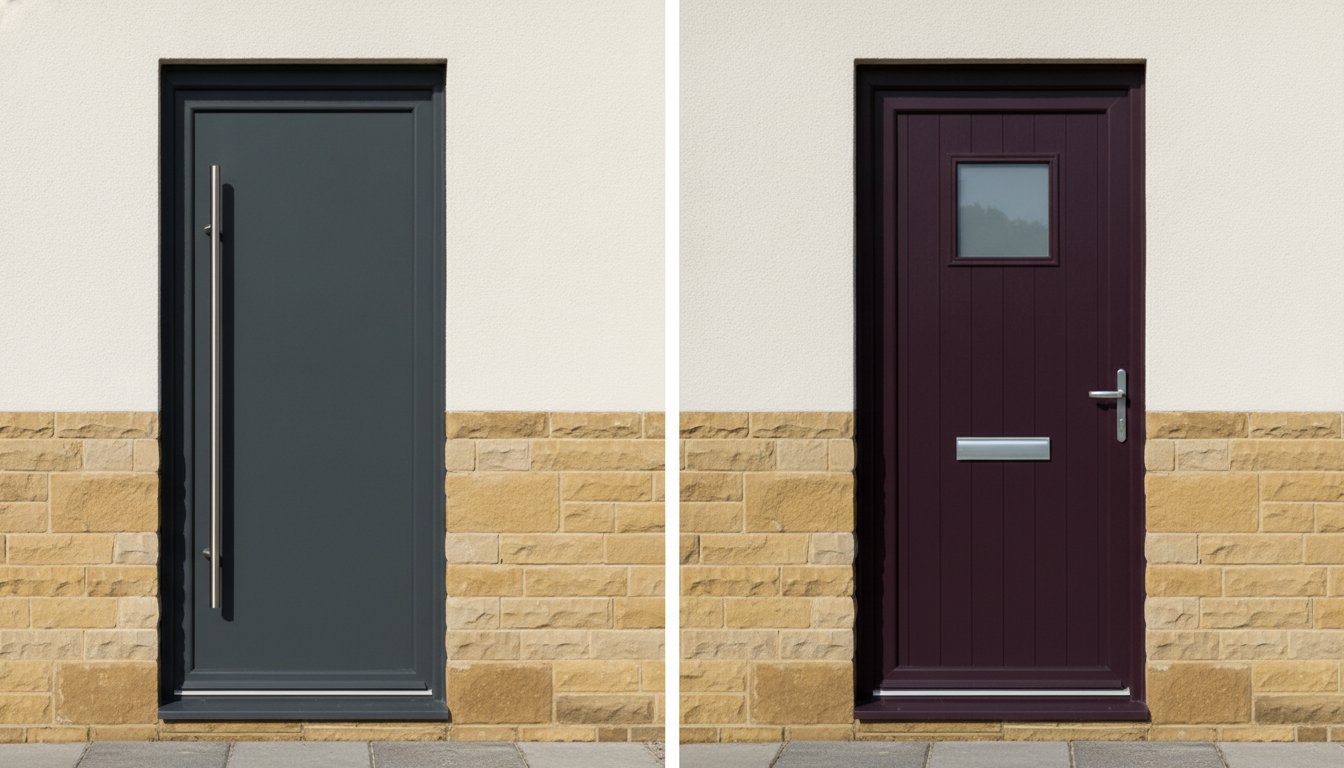
Authenticity is found in the details. To maintain a heritage look, many homeowners opt for Georgian bars or leaded lights. These features break up the glass and mimic the traditional multi-pane windows found throughout the Dales. Colour choice is equally vital. Whilst white was once the norm, 'Heritage Green' and 'Anthracite' now dominate the landscape because they blend so well with local stone. According to the Yorkshire Dales National Park Design Guide, choosing sympathetic hardware like black ironmongery can further ground the installation in its historical context.
Practicality in the Dales Climate
The exposed nature of many Yorkshire farmhouses demands exceptional weatherproofing. Modern French doors feature high-performance gaskets and multi-point locking systems that eliminate the "rattle" and draughts associated with older timber models. You must also decide between 'In-swing' and 'Out-swing'. For properties with limited patio space or thick internal stone walls, swinging the doors outwards is often more practical. If you want the look of wood without the constant painting and swelling caused by damp Pennine air, Heritage uPVC offers a maintenance-free alternative that is virtually indistinguishable from timber. If you're unsure which configuration fits your space, you can view our range of heritage finishes to see how they complement traditional stonework.
Aluminium Bifolds: Modernising Farmhouses Without Losing Character
The "Wall of Glass" effect isn't just for ultra-modern city apartments. In a traditional Yorkshire kitchen, replacing a small window and a solid door with a multi-panel system completely changes how you live. Whilst French doors offer classic charm, aluminium bifolds provide a 90% clear opening. This removes the physical barrier between your flagstone floor and the garden patio. When you weigh up Bifolds vs. French Doors: Which Suits a Traditional Dales Farmhouse?, you're often choosing between looking at the landscape through a frame or stepping directly into it.
In 2026, aluminium is the standout material for these large installations. It possesses the inherent strength to support massive panes of glass whilst maintaining sightlines as thin as 120mm. This "steel-look" aesthetic mimics the industrial heritage windows of the past, ensuring the new addition doesn't clash with 18th-century masonry. Crucially, these systems comply with the latest UK Building Regulations for thermal efficiency, achieving U-values that keep your home warm even when the wind howls across the moor.
Maximising the View of the Yorkshire Landscape
The primary advantage of Aluminium Bifolds is the sheer flexibility they offer. Unlike French doors, which are limited by their two-leaf swing, bifolds can span up to seven metres in a single run. We recommend configuring your system with a "daily access" door. This single leaf operates like a standard door, allowing you to pop out for a morning coffee without folding back the entire wall. This configuration provides the convenience of a traditional entrance with the lifestyle benefits of a retractable glass wall.
Structural Considerations for Stone Properties
Installing bifolds in a Dales farmhouse requires expert structural planning. Because these doors are top-hung or bottom-rolling, they need a substantial steel lintel (RSJ) to support the weight of the stone wall above. This often adds between £1,500 and £2,800 to a project, but it's essential for the building's integrity. You also need to consider where the panels "stack" when open. In thick-walled properties, panels can be designed to fold outwards to avoid taking up precious internal floor space. Thermal breaks in high-quality aluminium frames act as an insulated barrier between the inner and outer sections of the profile to prevent cold bridging through the stone structure. This ensures your modern installation remains as warm as the thick walls surrounding it.
Direct Comparison: Performance, Security, and Thermal Efficiency
Performance matters most when the Yorkshire winter arrives. When deciding Bifolds vs. French Doors: Which Suits a Traditional Dales Farmhouse?, you aren't just choosing a look. You're choosing a thermal barrier for your home. Whilst both systems now meet the mandatory 1.4 W/m²K U-value requirement, they handle the Dales climate differently. French doors offer a simpler, robust seal with fewer moving parts. In contrast, modern bifold doors utilise high-specification rollers for finger-touch gliding. This makes even a heavy five-panel system feel weightless during operation.
Longevity in the face of Pennine wind and rain is a primary concern for any homeowner. Aluminium is a popular material choice for its strength and durability. It won't warp, rot, or require the constant repainting associated with timber. uPVC options provide a practical, low-maintenance alternative that effectively seals out the damp. Both materials ensure your investment remains practical and attractive for decades without the "sticking" issues common in older farmhouse doors.
Thermal Efficiency in Exposed Locations
Triple glazing is becoming the standard for Dales renovations in 2026. Upgrading from double to triple glazing can reduce heat loss by a further 40%. It also cuts external noise by approximately 35 decibels. This is vital if your farmhouse sits near an exposed ridge or a busy country road. We use argon gas fills and low-E coatings to bounce heat back into your living space. When comparing Aluminium vs uPVC systems, aluminium often leads on slim sightlines, but uPVC remains a formidable thermal performer for more modest budgets. Both materials are designed to resist the warping and swelling common with traditional timber in wet Yorkshire weather.
Security and Protective Advocacy
Protecting a rural property requires more than just a sturdy frame. A common "costly mistake" is choosing doors with inferior locking cylinders that are vulnerable to snapping. Every door we install is PAS 24 compliant. This means they've been rigorously tested against forced entry using multi-point locking systems. For maximum security, we recommend laminated glass over standard toughened glass. Laminated glass contains a plastic interlayer. It stays in the frame even if the glass is shattered, acting as a powerful deterrent to intruders. A professional installation is also a security feature. A "local specialist" fit ensures the frame is perfectly squared within your thick stone walls. This prevents the locking points from misaligning over time. Request a site assessment from our team to ensure your home remains secure and draught-free.
Decision Guide: Which Suits Your Dales Property Best?
Choosing between French doors and aluminium bifolds requires a cold-eyed look at your property's existing architecture and your daily habits. The question of Bifolds vs. French Doors: Which Suits a Traditional Dales Farmhouse? often comes down to the "Aperture Test." If your stone opening is between 1200mm and 1800mm, French doors are the logical choice. They maintain the vertical proportions typical of 18th-century cottages. For larger openings or barn conversions, bifolds allow you to replace a heavy wall with a panoramic view of the fells.
Your lifestyle audit is equally important. Think about how you use the space on a Tuesday morning in November, not just a sunny Saturday in July. If you only need quick access to a herb garden or to let a pet out, the independent leaf of a French door is highly practical. If you frequently host large family gatherings and want to merge your kitchen with a Yorkshire stone terrace, the 90% clear opening of a bifold system is transformative. Budgeting for May 2026 also plays a role in this decision. High-quality uPVC French doors typically cost between £850 and £1,500 including fitting. A typical 3-metre aluminium bifold installation ranges from £6,000 to £9,000, especially when you factor in the £1,500 to £2,800 required for structural steelwork and lintels.
Matching Your Door to Your Home's Story
Smaller cottages and bedroom balconies almost always benefit from the classic symmetry of French doors. They preserve the "closed-in" cosy feel that defines traditional Dales architecture. Conversely, modern barn conversions with massive double-height openings are the perfect canvas for Aluminium Bifolds. You don't have to choose just one style for the whole house. Many homeowners successfully mix styles by installing heritage-look French doors at the front to satisfy planning constraints whilst using expansive bifolds at the rear to maximise light in a new kitchen-diner extension.
Next Steps for Your Yorkshire Home
Seeing these products in the context of a real stone property is the best way to avoid a "costly mistake" in your design. We encourage you to view our local case studies to see how different configurations look against gritstone and limestone walls. Every farmhouse is unique, and a standard "off-the-shelf" fit rarely works with 600mm thick masonry. Our team specialises in surveys that respect the structural integrity of heritage buildings. We ensure every installation is FENSA compliant and thermally efficient. Request a Quote from our specialist Yorkshire team today to begin your home's transformation.
Transforming Your Dales Vista with Confidence
Selecting the right glazing involves more than just picking a style. It requires a deep understanding of how gritstone walls and Pennine weather interact with modern materials. Whether you opt for the classic symmetry of French doors or the expansive reach of aluminium bifolds, your choice must meet the 1.4 W/m²K U-value standards required in 2026. This ensures your home remains a warm sanctuary against the Yorkshire elements. It's about protecting your investment whilst maximising natural light.
Deciding Bifolds vs. French Doors: Which Suits a Traditional Dales Farmhouse? shouldn't be a stressful process. We are specialists in Yorkshire stone installations and possess expert knowledge of Dales conservation requirements. Our high-performance glazing is specifically designed to withstand the harsh Pennine climate, ensuring your home stays draught-free and secure year-round. Don't settle for a generic fit when your heritage property deserves a bespoke solution.
Request a Free Quote for Your Heritage Project from our local team today. Your farmhouse has stood for centuries; we'll help you prepare it for the next one with a design that truly honours its rugged character.
Frequently Asked Questions
Do bifold doors require planning permission in a Dales conservation area?
Installing new doors to the rear or side of a house usually falls under permitted development rights. However, if your property is Grade II listed or located in a Dales conservation area, you must check with the local planning authority before starting work. Building regulations approval is always mandatory to ensure safety and thermal compliance, regardless of your property's location.
Are aluminium bifold doors colder than traditional timber French doors?
Modern aluminium doors are not colder than timber because they feature advanced polyamide thermal breaks. These breaks create an insulated barrier between the inner and outer frames, preventing cold bridging. When fitted with high-performance glazing, these systems achieve U-values of 1.4 W/m²K or lower, meeting the May 2026 UK Building Regulations and keeping your farmhouse warm during a Pennine winter.
Can I install bifolds into a traditional stone wall without a new lintel?
You cannot safely install wide bifold doors into a traditional stone wall without a structural lintel (RSJ). Stone is heavy and requires proper support when the original masonry is removed or widened to accommodate a larger opening. A structural engineer's assessment is essential to prevent wall movement, often adding between £1,500 and £2,800 to the total project cost for a safe installation.
Which door type adds more value to a Yorkshire farmhouse?
Both door types add significant value by improving energy efficiency and natural light. Bifolds often appeal to buyers looking for a modern lifestyle in a heritage setting, whilst French doors are preferred for maintaining strict period authenticity. The key to increasing property value is ensuring the installation respects the character of the Dales and is fully FENSA certified for the next homeowner.
How do French doors perform in high-wind areas like the Pennines?
High-quality French doors perform exceptionally well in the Pennines because they utilise robust multi-point locking systems and high-grade weather seals. These features prevent the "rattle" and water ingress common in exposed, high-altitude locations. Choosing an "out-swing" configuration can also help, as the wind pressure actually pushes the door tighter against its gaskets to create a more effective weather seal.
What is the maximum width for a set of French doors in a heritage property?
The maximum width for a standard set of French doors is typically between 1800mm and 2000mm. If your opening is wider than 2 metres, we recommend adding fixed side lights to maintain structural stability and aesthetic balance. This configuration preserves the traditional look whilst filling a larger aperture without the complexity and cost of a full folding system.
Are bifold doors high maintenance compared to French doors?
Aluminium bifold doors are remarkably low maintenance compared to traditional timber French doors. The powder-coated finish on aluminium won't rot, peel, or warp, requiring only an occasional wipe with soapy water to look new. You simply need to keep the bottom track clear of gritstone debris to ensure the stainless steel rollers continue to glide smoothly for many years.
Can I get bifold doors that look like traditional steel or heritage frames?
You can certainly choose bifold doors with "steel-look" or heritage styling. These systems feature ultra-slim sightlines, often as narrow as 120mm, and can include horizontal glazing bars to mimic industrial or period aesthetics. This allows you to modernise your home whilst answering the question: Bifolds vs. French Doors: Which Suits a Traditional Dales Farmhouse? with a heritage-sensitive glazing solution.