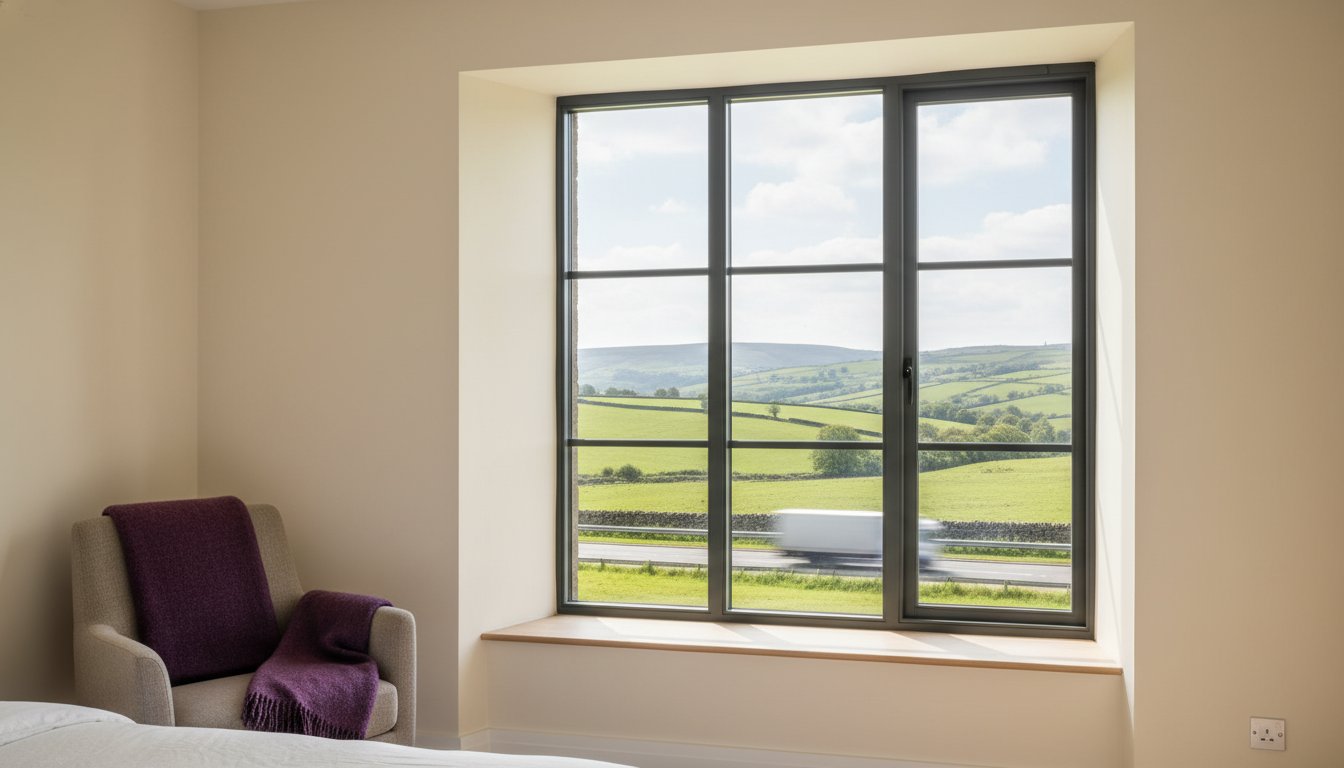
Imagine it's 5:00 AM on a Tuesday morning; instead of the dawn chorus, the heavy rumble of a 44-tonne HGV climbing the hill towards Settle vibrates through your pillow. You aren't alone in this frustration, as recent government data shows that 40% of people are now regularly bothered by traffic noise at home. It's a constant battle for those of us living along the main artery of the Dales, which is why we've created this Noise Reduction Glazing for Homes Near the A65: A Dales Homeowner’s Guide.
We understand the fear that soundproofing requires bulky, "plastic" windows that clash with the historic character of a Yorkshire stone cottage. You'll be pleased to learn that modern acoustic technology allows you to transform your property into a peaceful sanctuary without compromising on Dales charm. This guide explores how specialist laminated glass can reduce external noise by up to 45dB while meeting the strict 2026 Part L U-value requirement of 1.2 W/m²K. We'll show you how to combine high-performance aluminium heritage frames with the latest glazing technology to secure a quiet bedroom, lower energy bills, and a more comfortable home.
Key Takeaways
- Learn how the "Mass-Air-Mass" principle and PVB acoustic interlayers effectively disrupt sound waves from heavy A65 traffic.
- Understand why more panes don't always mean less noise and why the 2026 Rw rating is the most important metric for your home.
- Consult this Noise Reduction Glazing for Homes Near the A65: A Dales Homeowner’s Guide to find slimline heritage frames that protect your property's character whilst silencing the road.
- Discover why airtight, professional installation is the essential final step to ensuring your high-performance glass actually delivers a peaceful sanctuary.
- See how modern acoustic glazing helps you meet 2026 Part L energy standards as a secondary benefit to your newfound peace and quiet.
Living with the A65: Why Noise Reduction Glazing is Essential for Dales Homes
Living along the A65 corridor isn't just about the convenience of the route; it's about managing the constant acoustic pressure that comes with it. Noise reduction glazing is a specialised category of aluminium windows and uPVC windows designed specifically to disrupt sound waves before they enter your home. While standard glazing focuses primarily on thermal retention, acoustic glass uses varying thicknesses and laminated layers to target the specific frequencies of road traffic. This Noise Reduction Glazing for Homes Near the A65: A Dales Homeowner’s Guide is designed to help you understand why your current windows might be letting you down.
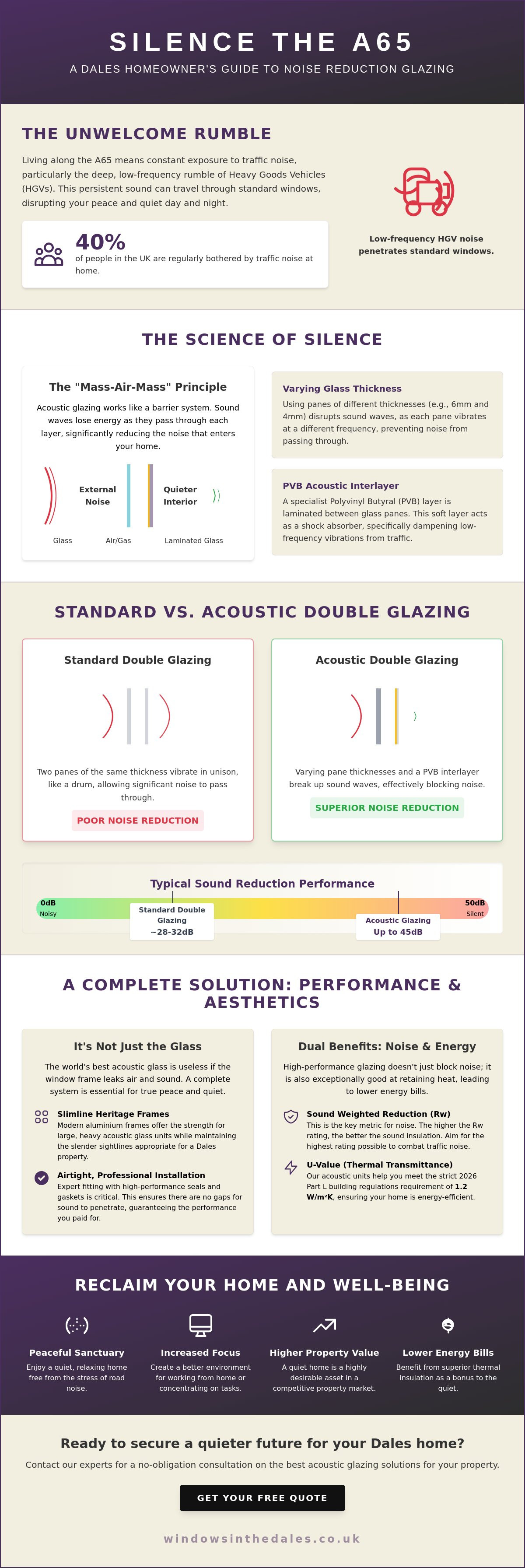
The A65 is a unique beast. Between Skipton and Addingham, and stretching up through Settle, the road carries a heavy burden of limestone haulage and cross-country logistics. This creates a relentless "tyre roar" that persists throughout the day. At night, the problem shifts. The deep, low-frequency thrum of HGV engine braking can travel through solid stone walls and vibrate standard glass panes. Standard double glazing often fails here because the two panes of glass are usually the same thickness. This causes them to vibrate at the same frequency, effectively acting like a drum skin that passes the noise straight into your bedroom.
Understanding the A65 Noise Profile
Traffic noise isn't a single sound. High-frequency noises, like wind whistling through a wing mirror, are relatively easy to block. The real enemy for Dales residents is the low-frequency rumble of heavy engines. In our narrow valleys, this sound doesn't just pass by; it reflects off the dry stone walls and hillsides, intensifying the volume. Night-time haulage is particularly disruptive because the ambient noise of the Dales drops so significantly. This makes every passing lorry feel twice as loud as it does at noon. Understanding The Science of Silence is the first step in choosing a window that actually works against these specific rural conditions.
How Acoustic Glazing Transforms Your Living Space
Installing high-performance glazing isn't just a home improvement project; it's a lifestyle upgrade. You'll finally reclaim that "quiet corner" by the window for reading without the distraction of passing traffic. For those working from home in villages like Gargrave or Hellifield, the increase in cognitive focus is immediate once the background hum is removed. Beyond your own comfort, a peaceful interior is a massive selling point. In a competitive market, a house that offers a silent sanctuary in the heart of the Dales will always hold higher desirability and value than one where you can't hear yourself think. By following the advice in this Noise Reduction Glazing for Homes Near the A65: A Dales Homeowner’s Guide, you ensure your investment delivers the long-term peace you deserve.
The Science of Silence: How Modern Glazing Dampens Road Traffic Noise
Achieving a quiet home isn't about luck; it's about physics. To understand how we silence the road, we look at the "Mass-Air-Mass" principle. Imagine two heavy walls (the glass panes) with a spring (the air or gas gap) in between. When a sound wave hits the first pane, the "spring" absorbs and dampens the vibration before it can reach the second pane. It's a simple concept that forms the foundation of this Noise Reduction Glazing for Homes Near the A65: A Dales Homeowner’s Guide. For residents Living with the A65, this physical barrier is the only way to effectively block the low-frequency rumble of heavy transport.
Sound behaves much like water; it will find the smallest gap to leak through. This is why high-quality seals are just as vital as the glass itself. If a window frame isn't perfectly airtight, the most expensive acoustic glass in the world won't stop the noise. We use multi-point locking systems and weather-resistant gaskets to ensure every unit is hermetically sealed against the Yorkshire elements and the relentless A65 traffic. You can see the results of this precision in our recent local projects across the region.
Laminated Glass: The Invisible Sound Barrier
The secret weapon in modern soundproofing is a microscopic layer of Polyvinyl Butyral (PVB) sandwiched between two sheets of glass. This plastic interlayer is specifically engineered to be "decoupled," meaning it absorbs the energy of sound waves and converts it into a tiny amount of heat rather than letting it vibrate through the pane. Acoustic laminate is the gold standard for 2026 noise reduction. Beyond the silence, it offers a significant security benefit; the glass is incredibly difficult to break through, providing peace of mind for your Dales property.
Asymmetric Glazing: Breaking the Frequency
Standard double glazing often uses two panes of the same thickness, usually 4mm. This is a mistake for noise control because both panes will vibrate at the same frequency, allowing sound to pass through easily. Asymmetric glazing solves this by using different thicknesses, such as a 6mm outer pane and a 4mm inner pane. This "confuses" the sound wave, as the different masses cannot vibrate in sympathy with one another. When combined with an argon gas filling, which is denser than air, the window becomes a formidable obstacle for both noise and heat loss.
By layering these technologies, we create a window that manages the complex noise profile of the Dales. It's not just about adding more glass; it's about using the right combination of mass and damping materials to ensure your home remains the tranquil retreat you bought it to be.
Comparing Your Options: Acoustic Double Glazing vs Triple Glazing
Choosing the right window for an A65 property isn't as simple as picking the one with the most panes. In 2026, the industry has moved away from guesswork and towards the Rw rating, or Weighted Sound Reduction Index. This standardised metric tells you exactly how many decibels a window blocks. While a standard double-glazed unit might offer an Rw of 28-32 dB, the specialist units we recommend in this Noise Reduction Glazing for Homes Near the A65: A Dales Homeowner’s Guide can reach 40-48 dB. Since a 10 dB reduction is perceived by the human ear as roughly halving the noise level, the difference between a standard unit and an acoustic one is transformative. To ensure your installation complies with UK Building Regulations for sound insulation, you must prioritise this rating over simple pane counts.
Your choice should also depend on your home's proximity to the kerbside. If your front door opens directly onto the A65 in a village like Hellifield, you'll require the maximum mass possible, such as acoustic laminated triple glazing. However, if your property sits 30 metres back from the road, a high-specification acoustic double-glazed unit is often more than sufficient to restore peace. Our team can help you navigate these choices by reviewing our case studies of similar roadside properties across the Dales.
Why Triple Glazing Isn’t Always the Answer
There is a persistent myth that triple glazing is always better for noise, but this isn't strictly true. If a triple-glazed unit uses three identical panes of glass, it can create a "drum effect" where sound waves bounce and amplify between the surfaces. A standard triple-glazed window often only achieves an Rw of 32dB, which is no better than a good double-glazed unit. For the A65's specific traffic profile, an acoustic double-glazed window with a laminated pane often performs better, reaching 38dB or higher. Triple glazing is primarily appropriate when you have extreme thermal requirements to meet the 1.2 W/m²K U-value standard whilst also demanding the highest possible sound damping through asymmetric glass.
Secondary Glazing: The Heritage Hero?
For Grade II listed buildings or homes in sensitive conservation areas where replacing aluminium windows or uPVC windows is restricted, secondary glazing is a powerful tool. By installing a discrete internal pane, you create an air gap of 100mm or more. This massive gap is far more effective at stopping low-frequency HGV rumble than the narrow 16-20mm gaps found in standard units. It's a heritage hero that can achieve a 40-45dB reduction. The trade-off is practical; you'll have two sets of glass to clean and a slightly more complex process to open your windows for fresh Dales air.
Balancing Performance and Period Charm: Heritage Glazing in Dales Conservation Areas
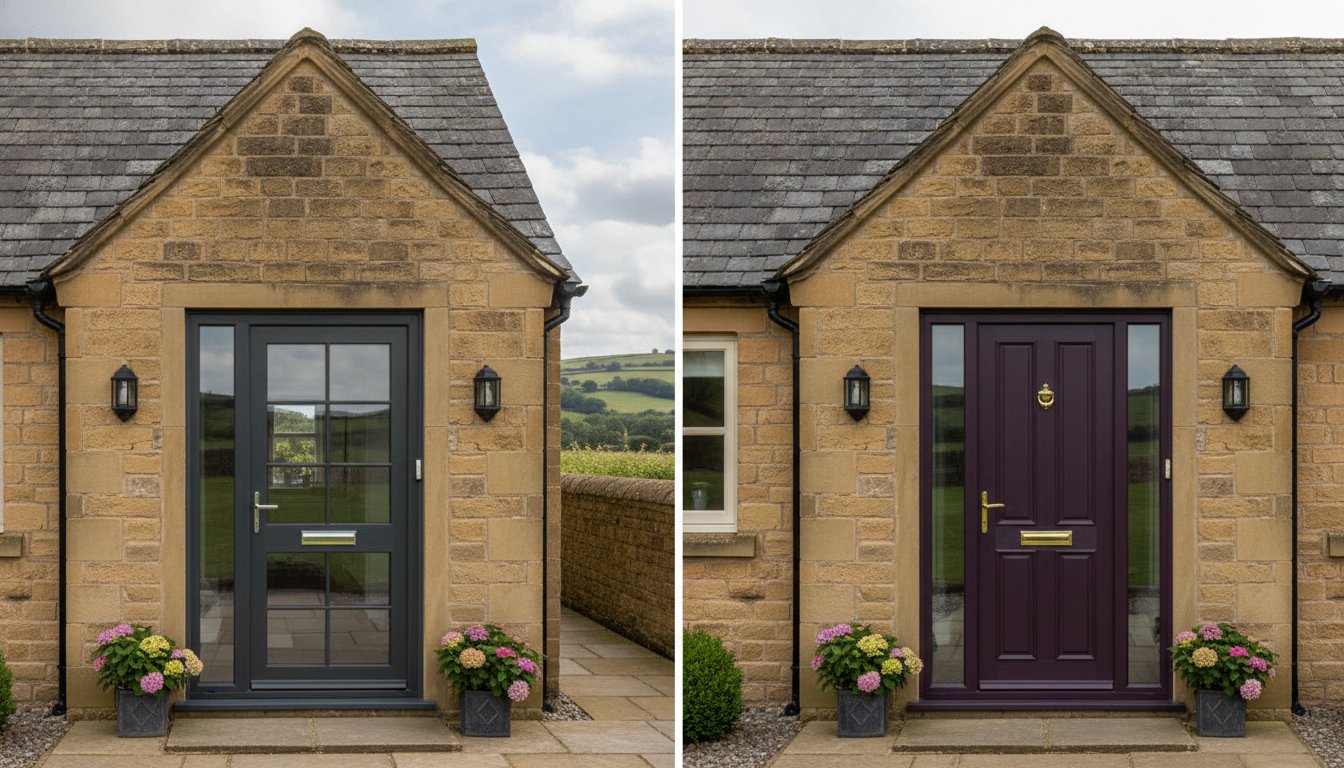
Many homeowners along the A65 corridor worry that quietening their home means sacrificing its soul. There's a common fear that acoustic performance requires thick, clunky frames that look "plastic" or "modern" against traditional stone. This doesn't have to be the case. This Noise Reduction Glazing for Homes Near the A65: A Dales Homeowner’s Guide highlights that modern engineering allows for high Rw ratings without the bulk. By choosing Heritage Windows, you can replicate the elegant detailing of traditional timber whilst benefiting from the sophisticated sound-dampening technology discussed earlier.
For those converting historic barns or adding modern extensions in villages like Settle or Gargrave, the "Steel-look" trend offers a perfect solution. It provides an industrial Dales aesthetic that feels both current and timeless. These systems aren't just about style; they're designed to house the heavy, asymmetric glass units needed to block HGV rumble effectively. You don't have to choose between a quiet bedroom and a beautiful facade.
Slimline Aluminium: Modern Performance, Traditional Sightlines
Using Aluminium Windows is often the best way to achieve a balance between silence and style. Because aluminium is inherently stronger than timber or standard uPVC, the frames can be much slimmer. This allows for larger glass areas, which is essential for maximising light in often-dark Dales cottages. These frames are finished with high-grade powder coatings that won't peel or fade, even after decades of harsh Yorkshire winters. They provide the structural integrity required to support heavy acoustic laminate glass without looking out of place in a conservation area.
Navigating Planning Permission for Acoustic Upgrades
If your home is amongst the properties within the Yorkshire Dales National Park's 47 Conservation Areas, you'll know that planning is a delicate process. Authorities in Skipton, Harrogate, and the Park Authority prioritise "like-for-like" appearances. The key to a successful application is demonstrating that your new windows preserve the character of the area whilst meeting the 2026 Part L requirement of 1.2 W/m²K. We often recommend slimline profiles that mimic original leaded lights or sash details. If you're unsure about local restrictions, you should request a quote to get expert advice tailored to your specific postcode.
Protecting your investment means choosing a specialist who understands both the science of sound and the strict architectural heritage of our region. View our latest heritage installations to see how we've helped your neighbours achieve the perfect balance of peace and period charm.
Expert Installation in Yorkshire: Secure a Quieter Future with Windows in the Dales
High-performance glass is only half the battle. Even the most advanced acoustic laminate will fail to deliver silence if the fitting is poor. Sound waves behave like water; they'll bypass a 40dB window through a microscopic gap in the sealant or a poorly adjusted frame. This is why we focus on airtight precision. A sloppy installation can result in a performance loss of 10dB, which effectively halves the effectiveness of your new windows. By following the principles in this Noise Reduction Glazing for Homes Near the A65: A Dales Homeowner’s Guide, we ensure your investment isn't wasted on sound leaks.
Our commitment to professional, airtight installation is a matter of regional pride. We don't just work in the Dales; we live here too. We understand that a Yorkshire stone cottage presents unique challenges, from uneven masonry to historic lintels. Unlike national installers who favour a "one size fits all" approach, we use custom scribing and specialist sealants to bridge the gap between your home's heritage structure and modern technology. Our goal is to protect your property whilst ensuring it meets the 2026 Part E standards for sound resistance.
The Windows in the Dales Difference
We've spent years perfecting the balance between "maximising light" and minimising decibels. Our experience with A65-adjacent properties means we know exactly how sound reflects off valley walls and enters through traditional apertures. We specialise in aluminium windows and uPVC windows that offer slimline sightlines without compromising on acoustic mass. You can see the evidence of our craftsmanship in our Case Studies, where we showcase local transformations that have turned noisy roadside houses into tranquil retreats.
Your Path to a Peaceful Home
- Step 1: The Acoustic Survey. We don't rely on guesswork. Our team identifies the specific noise frequencies affecting your home to determine the correct glass thickness needed.
- Step 2: Custom Specification. We help you select the ideal frame and glass combination for your Dales property, ensuring it respects local conservation guidelines.
- Step 3: Precision Installation. Our FENSA-registered team carries out the fitting with minimal disruption, focusing on the airtight seals that are critical for noise reduction.
Don't let another night of interrupted sleep affect your health. If you're ready to silence the A65, Request a Free Quote today. Let us help you apply the lessons from this Noise Reduction Glazing for Homes Near the A65: A Dales Homeowner’s Guide to your own Yorkshire home, securing a quieter, more valuable future for your property.
Reclaim Your Quiet Corner of the Dales
Living near the A65 shouldn't mean compromising on your quality of life or the architectural beauty of your home. As we've explored, the path to a silent sanctuary involves more than just adding extra panes of glass. It requires a strategic combination of asymmetric glazing, acoustic laminated technology, and an airtight installation that respects the unique stonework of our region. This Noise Reduction Glazing for Homes Near the A65: A Dales Homeowner’s Guide has shown that you can achieve a peaceful bedroom and lower energy bills without losing the heritage charm that makes the Yorkshire Dales so special.
Windows in the Dales is a trusted local specialist. We're proud to serve Yorkshire homes with expert craftsmanship and a deep understanding of local planning requirements. Whether you're looking for slimline aluminium or heritage uPVC, our professional installation is guaranteed to maximise light and silence. Take the first step toward a quieter, more comfortable home in 2026 by speaking with a team that understands your specific roadside challenges.
Request a Free Acoustic Glazing Quote for Your Yorkshire Home
You deserve a home that feels like a retreat from the world. We look forward to helping you silence the road and rediscover the tranquility of Dales living.
Frequently Asked Questions
How much noise reduction can I expect from acoustic glazing near the A65?
You can expect a reduction of between 35dB and 45dB depending on the specific glass configuration you choose. A 10dB reduction is perceived by the human ear as roughly halving the volume of the traffic. For homes directly on the A65 corridor, this transformation means that the constant rumble of HGVs is reduced to a distant, manageable hum. It's the difference between a broken night's sleep and a peaceful sanctuary.
Is triple glazing better than double glazing for stopping road traffic noise?
Triple glazing isn't always the superior choice for noise reduction because standard units often use identical glass thicknesses that vibrate in sympathy. An acoustic double-glazed unit with an asymmetric 6mm laminated pane and a 4mm inner pane often outperforms standard triple glazing. However, triple glazing becomes the better option when you combine these acoustic laminates with three panes to meet both sound and the 2026 thermal standards.
Will noise reduction windows change the look of my traditional Dales cottage?
Modern acoustic windows are designed to be virtually indistinguishable from traditional timber frames. By using slimline aluminium or heritage uPVC with authentic detailing, we ensure your home retains its Yorkshire character. You don't have to settle for bulky or "plastic" frames to get the silence you need. This Noise Reduction Glazing for Homes Near the A65: A Dales Homeowner’s Guide emphasises that style and performance can work in harmony.
Can I install acoustic glass in a conservation area in the Yorkshire Dales?
You can certainly install acoustic glazing in conservation areas, provided the design replicates the original window detailing. The Yorkshire Dales National Park Authority has 47 Conservation Areas with strict rules, so we recommend early consultation with a planning officer. We specialise in heritage-approved styles that satisfy these authorities whilst delivering the 2026 Part L thermal performance of 1.2 W/m²K alongside significant sound insulation.
Does acoustic glazing also help with energy efficiency and heating bills?
Acoustic glazing provides exceptional thermal insulation as a secondary benefit to its sound-dampening properties. Because the units often feature laminated glass and argon gas fills, they are highly effective at trapping heat inside your home. Under the 2026 Building Regulations, all replacement windows must achieve a U-value of 1.2 W/m²K. This means you'll enjoy a much quieter home whilst also seeing a reduction in your monthly energy costs.
What is the difference between "soundproof" and "noise reduction" windows?
The term "soundproof" is technically a misnomer in the window industry; "noise reduction" is a more accurate description of the technology. No window can block 100% of external sound, particularly low-frequency vibrations from heavy engines. Instead, we use specialist glass to disrupt and dampen sound waves by up to 45dB. This high level of reduction is usually enough to make a roadside bedroom feel as quiet as a secluded Dales valley.
How much more does acoustic glass cost compared to standard double glazing?
Adding acoustic glass typically increases the cost by approximately £80 to £150 per window compared to standard double glazing. Whilst the initial investment is higher, the value is found in the long-term health benefits of better sleep and the increased desirability of your property. For eligible low-income households, the ECO4 grant scheme running until March 2026 may even provide funding for these energy-efficient and Noise Reduction Glazing for Homes Near the A65: A Dales Homeowner’s Guide upgrades.