Did you know that upgrading to high-performance glazing can boost your property’s market value by as much as 10%? For many homeowners across the Yorkshire Dales and Leeds, the bite of rising energy costs and the persistent chill of a draughty period property have become all too familiar. You likely suspect that your old frames are a primary culprit; however, the technical jargon surrounding U-values and EPC ratings often makes calculating return on investment for energy efficient windows feel like a daunting task. We believe you deserve a clear financial roadmap rather than a high-pressure sales pitch.
It's frustrating to feel like you're heating the street rather than your lounge. This guide simplifies the complex maths, showing you exactly how to measure the financial and lifestyle gains of a glazing upgrade. You'll learn how to slash monthly bills and secure a better EPC rating while protecting your investment from common industry errors. We will break down the latest 2026 building regulations, regional property premiums in Harrogate and York, and the tangible comfort of a home that finally stays warm through a Pennine winter.
Key Takeaways
- Understand how 2026 energy price trends have transformed the financial logic of window replacement, turning a home upgrade into a strategic asset.
- Master the precise method for calculating return on investment for energy efficient windows by auditing your heating demand and accounting for current VAT incentives.
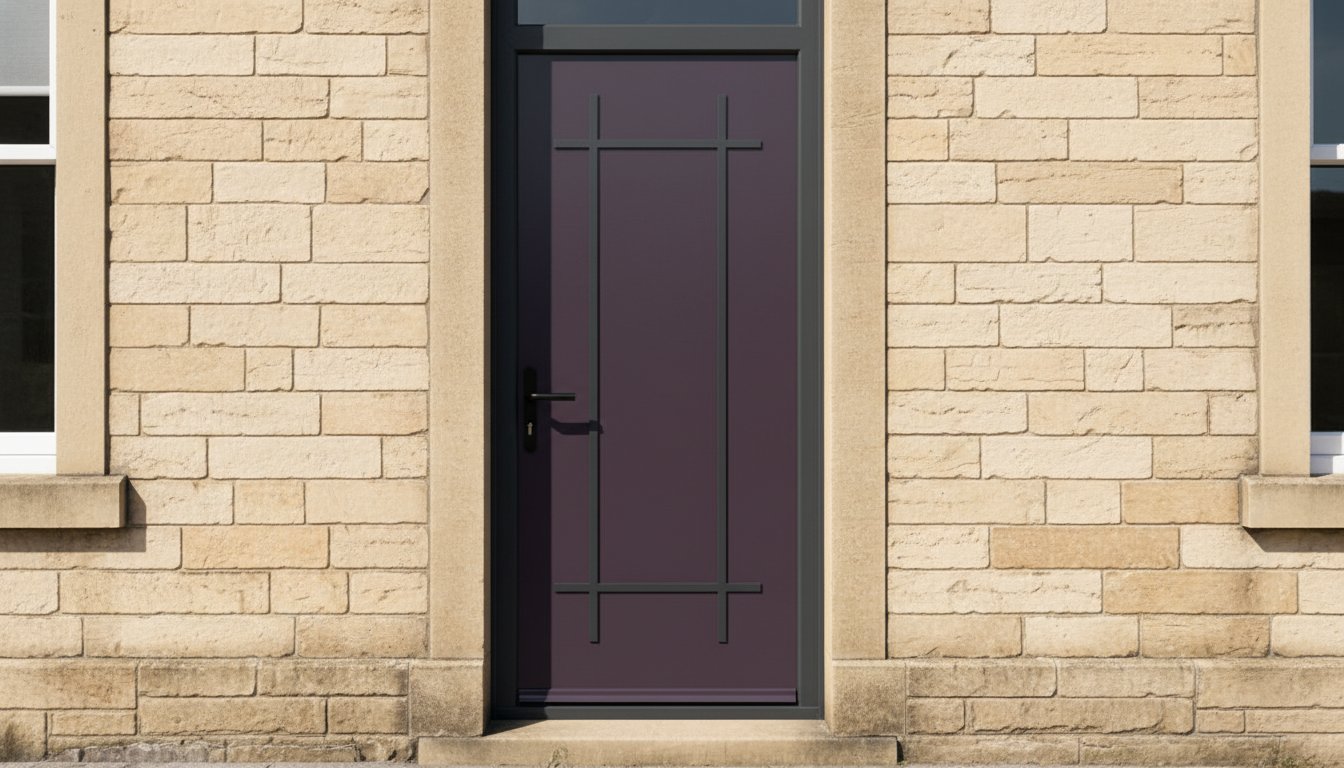
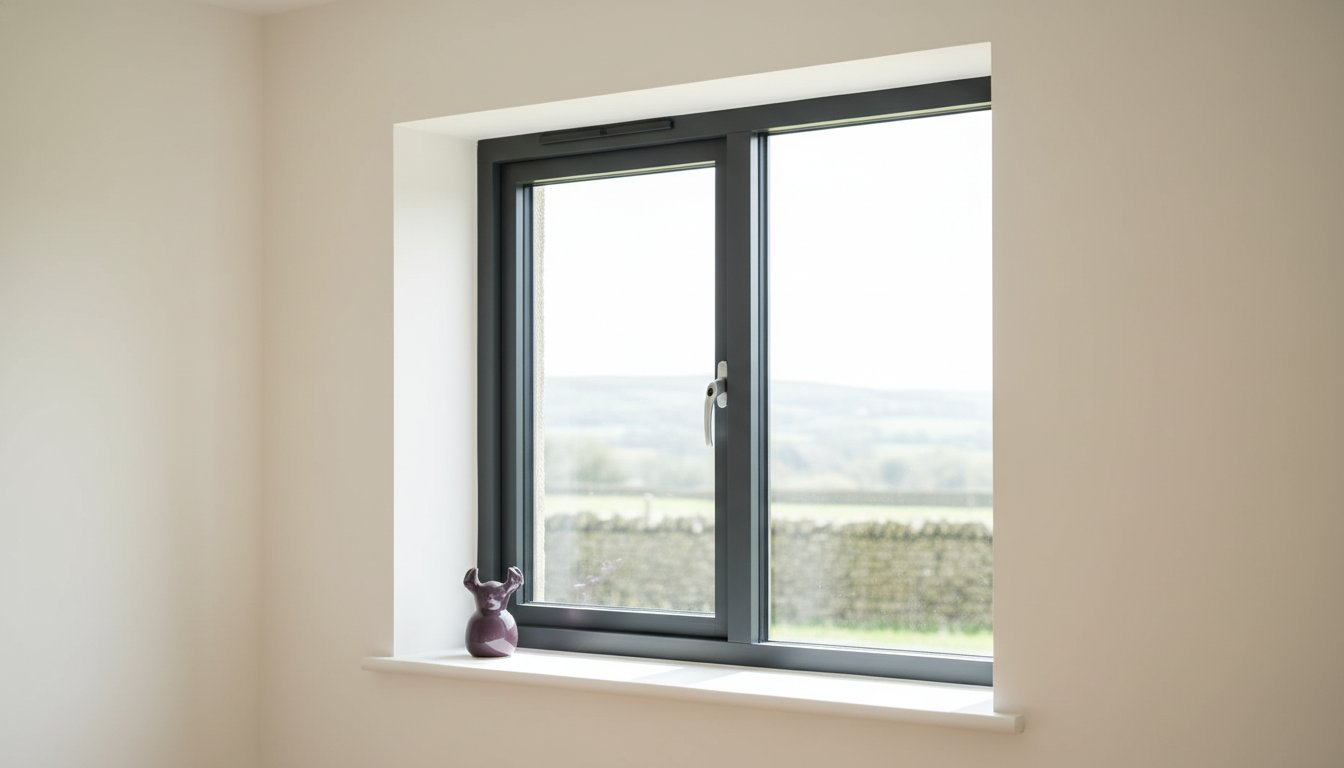
- Explore how 'Heritage Style' designs and slimline aluminium frames enhance natural light whilst adding a significant value premium to Yorkshire properties.
- Identify and avoid 'ROI Killers' like poor installation and thermal bridging; these hidden errors can silently drain your savings and ruin thermal performance.
- Secure a draught-free home and an improved EPC rating by selecting materials that respect the architectural integrity of the Dales and surrounding areas.
What is ROI for Energy-Efficient Windows in the British Market?
In the context of British home improvements, Return on Investment (ROI) is the measurement of total financial gain relative to the initial purchase and installation cost of your glazing. Whilst many homeowners focus solely on the upfront price, calculating return on investment for energy efficient windows requires a broader perspective. By June 2026, energy prices have remained at levels that make high-performance glazing a far more attractive financial proposition than in previous decades. You aren't just buying glass; you're securing a long-term hedge against volatile utility costs.
It's vital to distinguish between simple payback and total ROI. Simple payback looks only at how many years of reduced heating bills it takes to cover the cost. Total ROI includes property value increases and the elimination of maintenance costs. Understanding how insulated windows work is the first step in this journey. We look specifically at U-values, which measure heat loss, and G-values, which track solar gain. A lower U-value means better insulation, which is the primary engine driving your financial returns. By accurately calculating return on investment for energy efficient windows, you can justify the shift from low-cost, short-term fixes to high-quality architectural solutions.
The Three Pillars of Glazing ROI
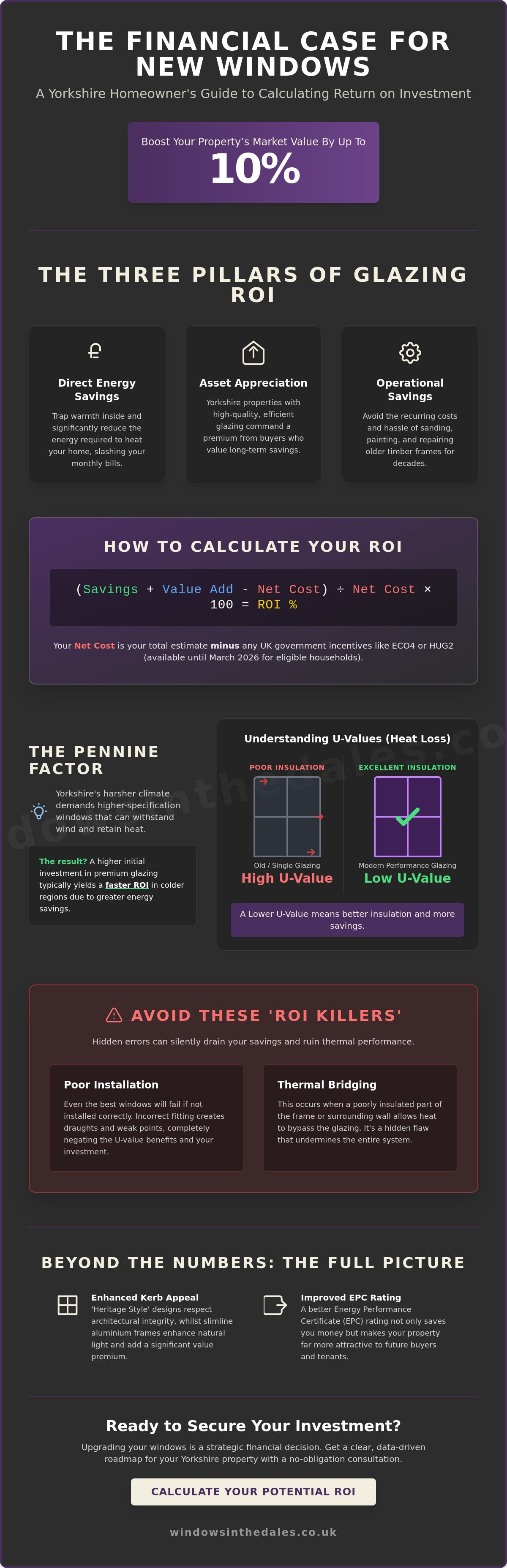
Glazing ROI stands on three distinct pillars. First, you see direct savings. Modern units can significantly reduce the energy required to heat your home by trapping warmth inside. Second, there is asset appreciation. Properties in Leeds, York, and Harrogate with high-quality glazing often command a premium from buyers who value efficiency. Finally, consider operational savings. Upgrading to aluminium windows offers a maintenance-free lifestyle advantage. You avoid the recurring costs of sanding, painting, and repairing older timber frames, which adds up to thousands of pounds over the lifetime of the product.
Why the Yorkshire Climate Demands Higher Specifications
Yorkshire homeowners face the Pennine Factor. Exposed locations in the Dales or high-ground areas around Harrogate experience harsher winds and lower temperatures than the south of England. Standard windows often fail to provide a true return in these conditions because they cannot withstand the lateral wind loads. Airtightness is essential, especially for traditional stone-built Yorkshire cottages where draughts are common. Whilst a higher initial investment in premium glazing might seem steep, it typically yields a faster ROI in colder regions. You'll notice the difference in your bank balance and your daily comfort much sooner than a homeowner in a milder climate.
A Step-by-Step Guide to Calculating Your Window ROI
To move beyond guesswork, you need a structured approach to calculating return on investment for energy efficient windows. The standard formula is straightforward: (Total Savings + Property Value Increase - Net Project Cost) / Net Project Cost x 100. This percentage provides a clear picture of your capital growth over time. Before you begin, identify your 'Net Cost' by subtracting any applicable UK government incentives, such as the ECO4 scheme or Home Upgrade Grant (HUG2), from your total project estimate. These funds are often available until March 2026 for eligible households, significantly reducing your initial outlay and accelerating your returns.
Accurately auditing your potential savings is a critical step when calculating return on investment for energy efficient windows. You must consider the long-term horizon. Over a 20-year period, the annual maintenance costs you avoid by choosing modern, durable frames can be substantial. For those still weighing up whether to repair or replace failing units, the U.S. Department of Energy provides useful guidance on replacing windows that remains technically relevant for British homeowners seeking to eliminate draughts and thermal bridging.
Step 1: Establishing Your Baseline Energy Costs
Establishing a baseline is your first priority. Review your energy bills from the last 12 months to see exactly what you spend on gas and electricity. With the 2026 energy price cap in mind, you can forecast future outgoings with greater precision. Most homeowners in Yorkshire find that upgrading from single glazing or failing double units reduces heating demand by 20% to 30%. This reduction is particularly pronounced in exposed Dales locations where cold spots are most aggressive.
Step 2: Estimating the Property Value 'Green Premium'
Buyers in 2026 are increasingly savvy. They often prioritise a high Energy Performance Certificate (EPC) rating over cosmetic internal changes. Moving a home from a Grade D to a Grade B rating can result in a measurable 'Green Premium'. In competitive markets like York and Harrogate, this value bump is a significant component of your ROI. You can see how these upgrades look in practice by exploring our case studies, which highlight transformations across various local property types.
If you're ready to see how these figures apply to your own home, you can request a quote for a professional assessment of your property's thermal potential.
The 'Aesthetic ROI': Property Value Gains in Leeds and York
Whilst technical data is essential for calculating return on investment for energy efficient windows, the aesthetic impact on your property's market value shouldn't be overlooked. In regions like York and Harrogate, the 'Aesthetic ROI' often outweighs the energy bill savings in the short term. Buyers aren't just looking for a low U-value; they're looking for architectural integrity. If you install generic frames in a traditional stone cottage, you risk a negative ROI by stripping away the property's character. Conversely, modern uPVC windows have evolved significantly. They now offer wood-grain finishes and slim profiles that provide high thermal performance whilst respecting the heritage of Yorkshire’s built environment.
Following official UK energy saving advice ensures your project meets both thermal and regulatory standards. However, local marketability depends on more than just compliance. In Harrogate, high-quality glazing is a prerequisite for reaching top-tier valuations. This 'Harrogate Effect' means that properties with mismatched or dated windows are often discounted by buyers who anticipate the cost and hassle of future upgrades. By prioritising quality now and accurately calculating return on investment for energy efficient windows through an aesthetic lens, you ensure your home remains competitive in a sophisticated market.
Heritage vs. Modern: Matching Style to Maximise Return
Choosing the wrong material is a common financial error. A period stone cottage in the Dales requires frames that mimic traditional timber, whereas an industrial renovation in Leeds city centre might benefit from 'steel-look' aluminium. Navigating conservation area guidelines is vital to protect your investment. A professional specialist ensures your glazing choices align with local character, preventing costly disputes with planning officers later.
Kerb Appeal and the First Impression Factor
First impressions are powerful. Quantifying the psychological value of new windows is difficult, but estate agents agree that kerb appeal drives higher offers. Architectural additions like roof lanterns can transform dark, uninviting extensions into premium living spaces flooded with natural light. A visually consistent facade across your property's exterior significantly increases its marketability to discerning buyers.
Avoiding Common 'ROI Killers' in Window Replacement
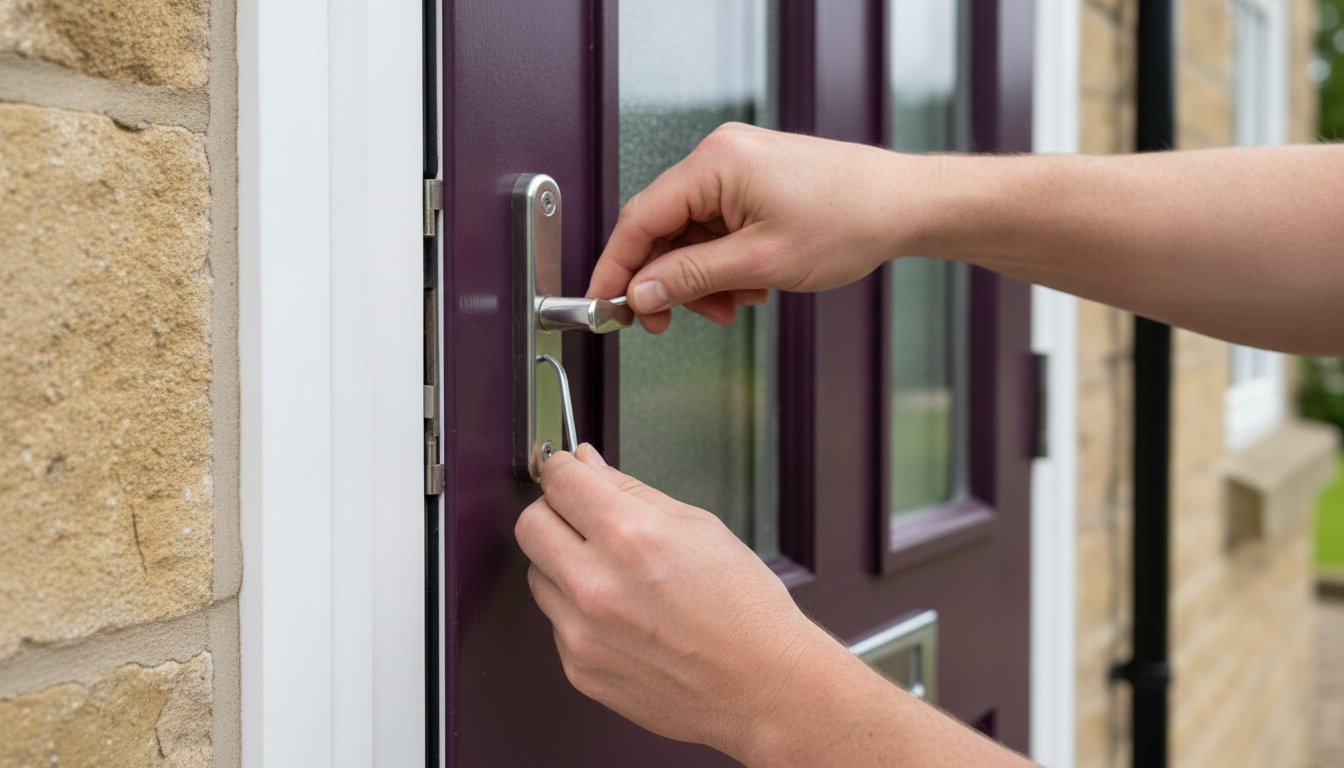
High-performance glazing represents a significant capital outlay. However, even the most advanced technical specifications mean little if the installation is handled poorly. When calculating return on investment for energy efficient windows, you must account for the competency of your chosen installer. A cheap fitment often results in microscopic gaps around the frame. These gaps allow heat to escape and moisture to enter, effectively ruining the unit's stated U-value. If the thermal envelope is compromised, your expected savings will evaporate before the first winter ends.
Thermal bridging is another silent ROI killer that frequently plagues modern extensions across Leeds and York. This occurs when a conductive material allows heat to bypass your insulation entirely. Without professional surveying, structural components can act as a bridge for cold air, leading to damp and reduced thermal efficiency. Additionally, choosing the wrong glass coating can lead to summer overheating. Whilst high solar gain is beneficial in a Pennine winter, it can turn a south-facing lounge into a greenhouse during July. This forced reliance on fans or air conditioning increases your cooling costs, which eats into your net financial gains. Always ensure your project carries FENSA or CERTASS certification. These documents are legal proofs of compliance that protect your financial interest when you eventually sell your property.
The False Economy of 'Cheap' Windows
Budget glazing systems often suffer from a high failure rate within the first ten years. Seal failure is the most common issue, leading to unsightly condensation between the panes. Once a seal fails, the insulating gas escapes, and your thermal ROI is destroyed. Whilst the initial price of these units is lower, the long-term cost of replacing 'bargain' windows after just a decade is far higher than investing in premium, durable systems from the outset. True value is measured in decades, not months.
Professional Installation vs. DIY Risks
Structural integrity is paramount, especially when installing large-scale aluminium bifold doors. These units are heavy and require precise levelling to operate smoothly. Professional surveying ensures the aperture is correctly prepared to support the weight and movement of the frames. DIY attempts or unskilled labour can lead to frame warping. This doesn't just affect the aesthetics; it often invalidates your manufacturer's warranty. Protecting your ROI for the full 20-year lifespan requires a specialist who understands the architectural demands of Yorkshire stone and contemporary builds alike.
Don't let poor installation ruin your investment. Secure your home’s thermal future by booking a professional assessment with our expert team at Windows in the Dales today.
Securing Your Investment with Windows in the Dales
Preserving your home's character whilst enhancing its thermal efficiency requires more than just a spreadsheet. At Windows in the Dales, we combine regional pride with professional authority to ensure your project delivers on its financial promises. We understand that calculating return on investment for energy efficient windows is a personal process for every homeowner in York, Leeds, and across the Dales. Our role is to act as the guardian of that investment. We provide the technical expertise needed to turn theoretical savings into tangible capital growth. Our comprehensive guarantee serves as a verbal seal of quality, protecting your ROI for years to come and ensuring the longevity of your new frames matches the lifespan of your property.
Choosing the right partner means moving away from high-pressure sales toward a relationship built on trust and transparency. We help you navigate the transition from initial calculations to a bespoke installation plan that respects both your budget and your home's architectural heritage. By grounding our identity in the specific geographic context of Yorkshire, we establish a sense of reliability that national firms often lack. We don't just sell products; we deliver a transformation of your living space through natural illumination and contemporary aesthetics.
Bespoke Solutions for Yorkshire Homeowners
We tailor every glazing specification to the unique, often harsh weather patterns of the Dales. Our range of high-performance aluminium windows and evolved uPVC systems are designed specifically for long-term ROI. These materials offer exceptional durability against the Pennine winds whilst maintaining a sophisticated aesthetic. You can see the results of this approach in our local case studies. These real-world examples demonstrate exactly how we have added measurable value to properties like yours across the region.
Start Your ROI Journey Today
Moving from initial maths to a bespoke installation plan begins with a professional technical survey. During this visit, our specialists identify the precise specifications required to eliminate draughts and maximise thermal retention. We provide transparent, detailed quotes that allow you to finalise your calculating return on investment for energy efficient windows with total confidence. Our surveyors focus on craftsmanship and education, ensuring you feel informed rather than rushed. Take the first step toward a warmer, more valuable home and request a bespoke quote to see the potential return on your property upgrade.
Transform Your Home’s Thermal Future
You've seen that calculating return on investment for energy efficient windows involves looking far beyond simple monthly heating bill reductions. It's about securing the property value premium seen in Harrogate and York whilst enjoying the lifestyle gains of a draught-free, light-filled home. By choosing a FENSA registered installer, you protect your capital from common industry pitfalls like poor fitment and thermal bridging. Our team brings over 20 years of combined regional expertise to every project, specialising in both Yorkshire heritage stone cottages and sleek contemporary builds. We ensure your glazing doesn't just meet the 2026 U-value regulations but exceeds them to provide lasting utility.
Now is the time to move from theory to a tangible home upgrade. Secure your property's comfort and marketability with a specialist who understands the unique demands of the Pennine climate. Book a Technical Survey and Quote today to finalise your bespoke ROI plan. We look forward to helping you transform your living space into a warm, energy-efficient sanctuary that stands the test of time.
Frequently Asked Questions
How long does it take for energy-efficient windows to pay for themselves?
The time taken for windows to pay for themselves depends on your total return, which includes both energy savings and property value growth. Whilst energy bill reductions alone might take 15 to 20 years to cover the cost, the immediate increase in home value often makes the project profitable much sooner. Total financial recovery is usually achieved when you eventually sell the property and realise the 5% to 10% value premium.
Do new windows really increase the value of a house in the UK?
New windows definitely increase property value in the UK, typically by between 5% and 10% according to recent market data. This increase is driven by improved kerb appeal, enhanced security, and the reduced future maintenance costs for the next owner. In competitive Yorkshire markets like York and Harrogate, high-quality glazing acts as a vital selling point that can trigger higher offers from discerning buyers.
What is the difference between double and triple glazing ROI?
Triple glazing offers a superior U-value of 0.8 compared to the 1.4 found in standard replacement double glazing. Whilst the initial cost is higher, the ROI is often better for new builds or homes in highly exposed Yorkshire Dales locations where heat loss is most aggressive. For most standard replacement projects, high-performance double glazing provides a faster simple payback due to the lower initial purchase price.
Can I get a grant for energy-efficient windows in Yorkshire in 2026?
Yes, several schemes are operational in Yorkshire until March 2026 for qualifying households. The ECO4 scheme supports low-income families, whilst the Home Upgrade Grant (HUG2) is available for properties not heated by mains gas with a household income under £36,000. Availability depends on your local authority’s remaining funds, so we recommend checking your eligibility early to secure these financial offsets for your project.
How much does an improved EPC rating add to a property's price?
Improving your EPC rating can increase your property's value by 5% to 10% in the UK market. Buyers in 2026 prioritise energy efficiency, meaning a home that moves from a Grade D to a Grade B becomes significantly more marketable and desirable. This 'Green Premium' is a major component of your total financial return, often far outweighing the annual energy bill savings alone.
Is aluminium or uPVC better for a long-term financial return?
Aluminium windows often provide a better long-term return due to their 40-year lifespan and minimal maintenance requirements. Whilst uPVC is a fantastic, cost-effective option with high thermal performance, aluminium's slim profiles and modern aesthetics are highly sought after in Leeds and York. The right choice depends on whether you prioritise a lower initial investment or maximum long-term asset appreciation for your property.
What happens to my ROI if I live in a conservation area?
If you live in a conservation area, your ROI depends entirely on architectural compliance and following local planning rules. Installing windows that don't meet specific Article 4 Directions can result in enforcement action, which completely destroys your financial gain. Choosing heritage-style frames that satisfy local officers protects your investment by maintaining the property's historic value and ensuring its legal standing remains intact for future sales.
How do I calculate the U-value's impact on my heating bill?
You can estimate the impact by comparing the U-value of your existing glazing against the 1.4 rating of modern replacement units. When calculating return on investment for energy efficient windows, moving from old single glazing with a U-value of 5.0 to modern units can reduce your heating demand by up to 30%. This technical shift directly dictates the speed of your financial recovery and the overall comfort of your home.