If you're staring at a quote that's 50% higher than the alternative, you've probably wondered if the extra cost of triple glazed vs double glazed windows is a genuine investment or just a costly mistake for your Yorkshire home. You're right to feel skeptical when salesmen push for the most expensive option without explaining the 20 year payback period. Whether you're battling the biting winds of the Dales or the constant hum of traffic in Sheffield, you deserve transparency over high-pressure sales talk.
This guide provides the clarity you need by breaking down the 2026 pricing landscape, where a full upgrade for a 3-bedroom semi-detached house averages £4,400. We'll help you decide if Aluminium Windows are the right choice to maximise light or if uPVC Windows offer the practical, low-maintenance value your budget requires. You'll learn how to navigate the 2025 Future Homes Standard and Approved Document L regulations. This ensures your property value increases whilst your heating bills finally drop.
Key Takeaways
- Learn how the additional insulating barrier in triple glazing significantly improves thermal performance over standard double-pane units.
- Discover how to achieve U-values below 0.8 W/m²K to silence urban noise and meet the latest 2026 building regulations.
- Compare the upfront investment against long-term energy savings by understanding the 25-40% premium in the cost of triple glazed vs double glazed windows.
- Identify which rooms in your Yorkshire home benefit most from premium glazing based on property orientation and architectural style.
- Avoid costly mistakes by learning why professional installation is critical for managing the significant weight of triple-glazed glass units.
Understanding the Choice: Double vs Triple Glazing for Yorkshire Properties
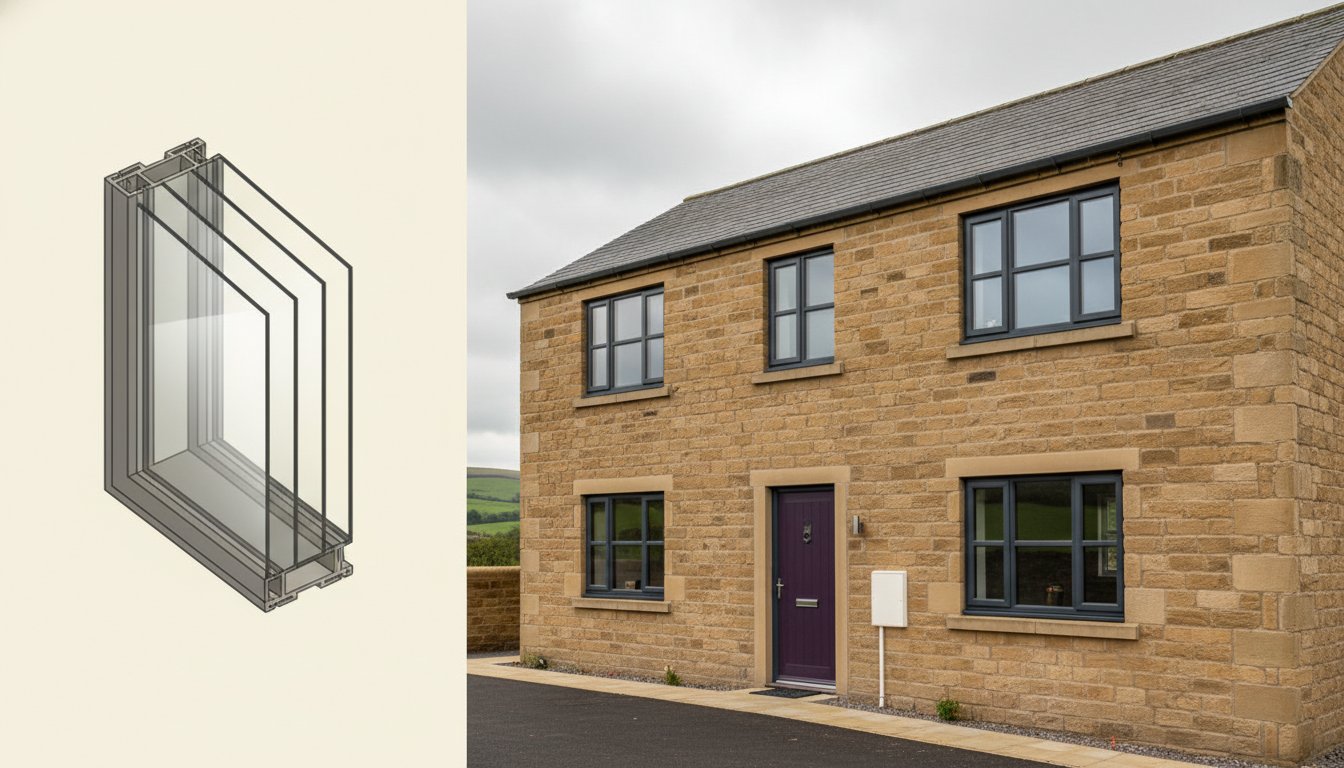
Homeowners across the Dales often face a choice between standard efficiency and long-term protection. Double glazing uses two glass panes with an argon-filled centre to slow heat loss. Triple glazing introduces a third pane, creating two internal chambers that significantly disrupt thermal transfer. This advanced form of Insulated glazing acts as a heavy-duty shield against the elements. Whilst the upfront cost of triple glazed vs double glazed windows is higher, the regional weather makes this a strategic decision rather than a luxury one.
Yorkshire weather is notoriously unforgiving. Exposed properties in the Pennines or the Dales endure biting winds that strip heat from traditional frames. In these locations, the "cheapest quote" often results in windows that fail within a decade. We advocate for value over initial price. Investing in quality units prevents the draughts and seal failures common in budget installations. A cheap window is a liability; a quality installation is an asset that protects your home's structural integrity.
The Technical Difference in a Nutshell
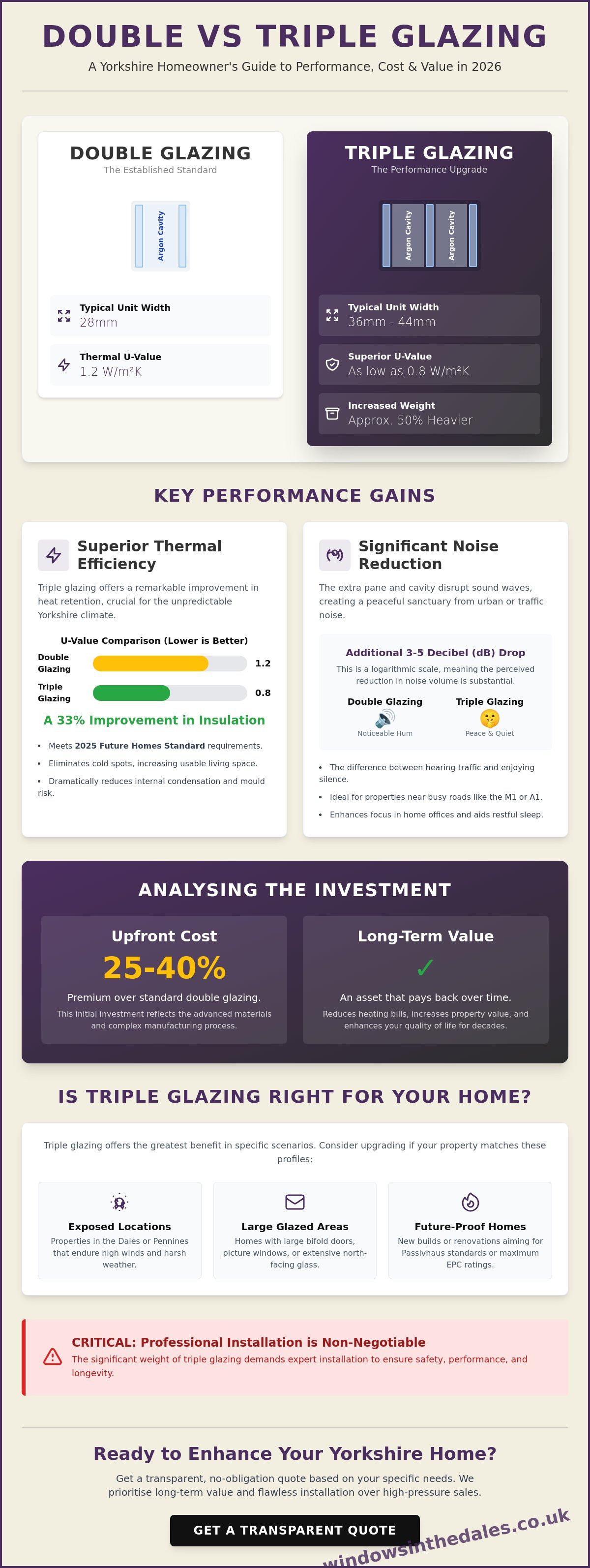
The extra glass pane does more than just add a layer; it creates a complex barrier that reflects heat back into your living space. Standard double units typically measure 28mm in width. In contrast, triple glazed units range from 36mm to 44mm. This increased depth requires robust frames. Aluminium Windows provide the structural integrity needed to support this extra weight whilst maintaining slimline aesthetics. uPVC Windows also accommodate triple glazing, though the profiles are often engineered to be wider to ensure stability. The weight of a triple-glazed unit is approximately 50% higher than a double-glazed equivalent. This makes professional surveying and high-quality hardware essential components of the installation.
Why Homeowners in York and Harrogate are Upgrading
Modern developments in York and Harrogate are increasingly adopting Passivhaus standards. These require U-values of 0.8 W/m²K or lower. Triple glazing is the only reliable way to hit these targets. Beyond the data, there's a tangible comfort benefit. Triple glazing eliminates the "cold zone" typically found near large glass surfaces. It ensures your sofa remains comfortable even during a February frost. This shift toward premium glazing reflects a desire for homes that are both sustainable and genuinely quiet. Premium glazing: Increase your home's EPC rating and market appeal whilst creating a sanctuary from the outside world.
Performance Comparison: Energy Efficiency and Noise Reduction in The Dales
Performance in the Dales isn't just about technical data; it's about how your home feels when the Pennine winds howl or the morning traffic peaks. Whilst the cost of triple glazed vs double glazed windows reflects a higher initial investment, the performance gap is substantial. Standard double glazing typically offers a U-value of 1.2. Premium triple glazing pushes this down to 0.8 or lower. This 33% improvement in thermal retention transforms the comfort of your living space, particularly in exposed rural locations where heat loss is a constant battle.
Beyond heat, there's the "Decibel Drop" to consider. Triple glazing provides an additional 3-5 dB of noise reduction compared to standard double units. This might sound like a small number, but because the decibel scale is logarithmic, it represents a significant decrease in perceived volume. It's the difference between hearing the low hum of the M1 and enjoying total silence in your home office. You can see how these upgrades transform local properties by exploring our Yorkshire installation case studies.
Thermal Performance and U-Values Explained
A U-value is the measure of heat loss through a square metre of glass. Lower numbers indicate superior insulation. In the damp Yorkshire winter, triple glazing performs a vital secondary role: it prevents internal condensation. By keeping the inner pane of glass significantly warmer, it stops water vapour from turning into droplets on your window sills. This protects your timber finishes and prevents mould growth in older stone properties.
Acoustic Insulation for Urban Yorkshire Life
The science of silence relies on disrupting sound waves. Effective triple glazing uses varying glass thicknesses, such as a 4mm pane paired with a 6mm pane, to break different frequencies. This is the preferred choice for homes near the A1(M) or busy Leeds commuter routes. Reducing external noise levels directly improves sleep quality and home office productivity, making the cost of triple glazed vs double glazed windows a direct investment in your well-being.
Solar Gain and Structural Integrity
For south-facing Harrogate sunrooms, triple glazing offers superior climate control. It features advanced low-emissivity coatings that manage "Solar Gain" more effectively than double glazing. This prevents your room from becoming a greenhouse in July whilst retaining every watt of heat in December. Furthermore, the three-pane construction adds a formidable layer of security. Breaking through three layers of toughened glass is a significant deterrent for any intruder, providing peace of mind alongside physical warmth. Our Aluminium Windows are specifically designed to handle this extra structural weight whilst maintaining the slimline, modern aesthetics Yorkshire homeowners demand.
Analysing the Investment: Upfront Costs and Long-Term Value in 2026
Deciding between glazing types often comes down to the bottom line. The initial cost of triple glazed vs double glazed windows typically carries a 25% to 40% premium. For a 4-bedroom detached house in Yorkshire requiring 15 windows, this translates to an estimated investment of approximately £8,050. Whilst this is a larger commitment than the £4,400 required for a standard 3-bedroom semi-detached home, the value lies in future-proofing your property against rising energy costs and stricter 2026 building regulations. You're not just buying glass; you're securing a more resilient home.
Property resale value is another critical factor, particularly in premium areas like Beverley or Harrogate. High-performance glazing has become a key signal to discerning buyers that a home is well-maintained and energy-efficient. As the 2025 Future Homes Standard makes triple glazing the new benchmark for new builds, retrofitting your current property ensures it remains competitive on the market for the next two decades. It's a strategic move that balances immediate comfort with long-term financial gain.
The Price Gap: What are You Paying For?
The premium covers more than just an extra sheet of glass. It includes additional argon gas fills and specialised spacer bars designed to eliminate thermal bridging. Installation complexity also increases the price. Triple units are significantly heavier, often requiring more manpower or specialist lifting equipment on-site. This is why labour constitutes roughly 30% of the total project cost. To support this weight without compromising on slimline aesthetics, aluminium windows are the most robust frame choice. They provide the structural integrity needed for heavy glass whilst maintaining the clean modern lines that define Yorkshire’s contemporary architecture.
Energy Savings and ROI in the 2026 Market
ROI in the current market is about more than just the annual heating bill. Upgrading from double to triple glazing saves an additional £20 to £40 per year as of May 2026. While the payback period for the extra cost often exceeds 20 years, the real value is found in system efficiency. High-performance glazing reduces the load on air-source heat pumps, allowing them to operate at lower, more efficient temperatures. This prevents the heating system from working overtime during a Pennine cold snap. By meeting the 2026 U-value requirements of 0.8 W/m²K early, you avoid the need for further costly upgrades when you eventually decide to sell.
Decision Framework: Choosing the Right Glazing for Your Leeds or York Home
Selecting the right specification requires a nuanced look at your property's unique challenges. Whilst the cost of triple glazed vs double glazed windows is a primary concern, the architectural style of your Leeds or York home dictates the final choice. A traditional stone cottage in the Dales has different thermal and aesthetic requirements than a sleek, modern extension in Harrogate. We encourage homeowners to look beyond the brochure and consider how each room actually functions before signing a contract.
We often see the "7 costly mistakes" play out when homeowners apply a blanket glazing strategy across an entire house. One of the most frequent errors is ignoring room orientation. North-facing rooms, which receive zero direct sunlight, are prime candidates for triple glazing to prevent constant heat loss. Conversely, a south-facing lounge might perform perfectly well with high-quality double glazing, provided the glass has the right solar-control coating. Your goal should be a balanced home environment where every room remains usable regardless of the season.
Heritage vs. Modern Architectural Requirements
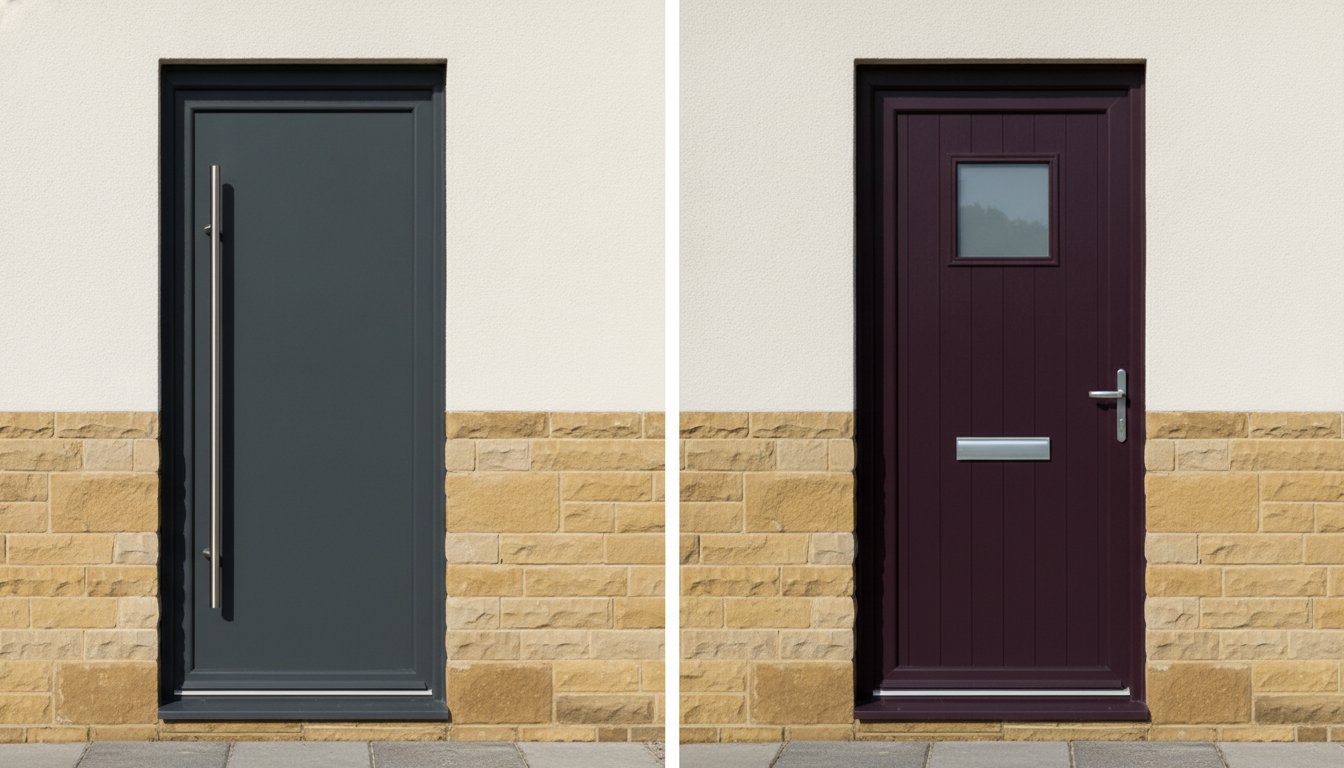
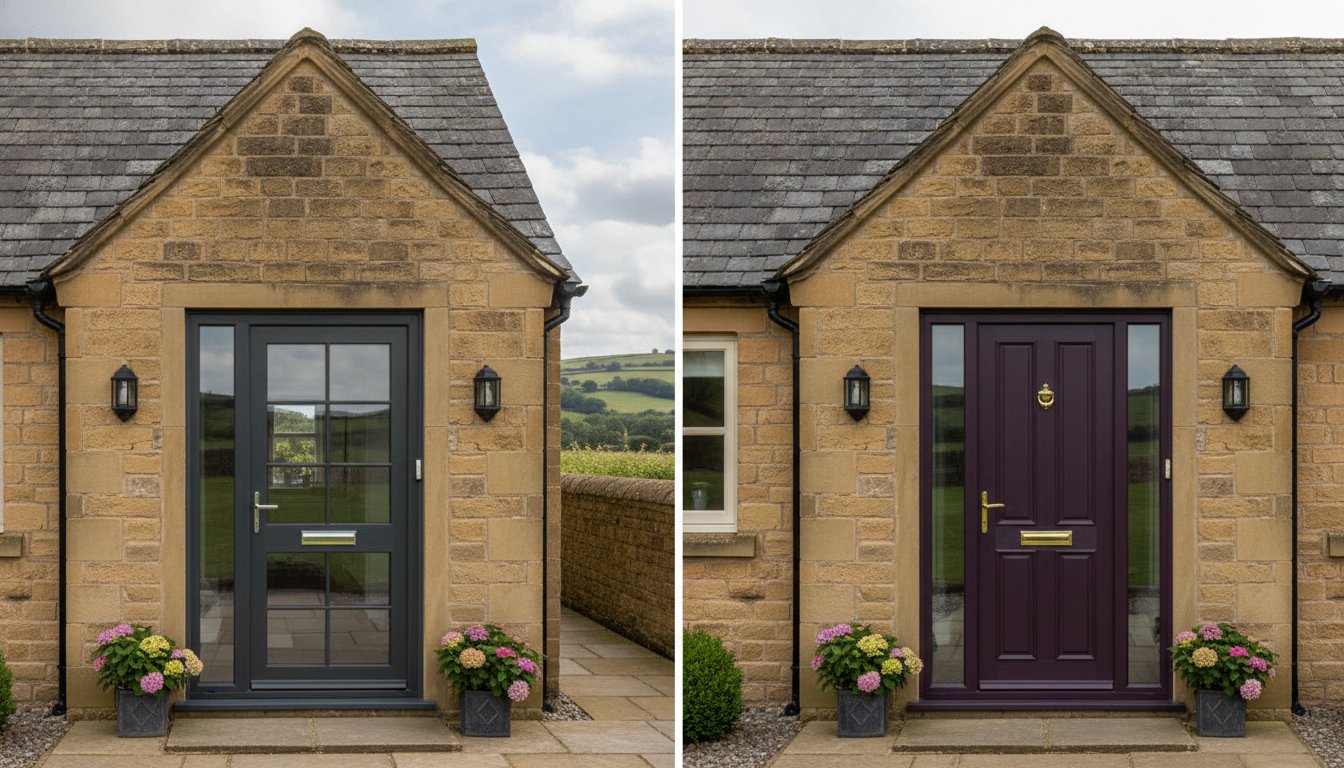
Heritage doors require a delicate balance; they often look best with specific double-glazing bars to maintain a traditional aesthetic. However, for large aluminium sliding doors, triple glazing is almost essential. It ensures that massive glass walls don't become massive heat sinks during a Yorkshire winter. Aluminium's inherent strength allows for these heavier units without sacrificing the slim sightlines that define modern design. This choice preserves the building's character whilst meeting 2026 performance standards.
Room-by-Room Glazing Strategy
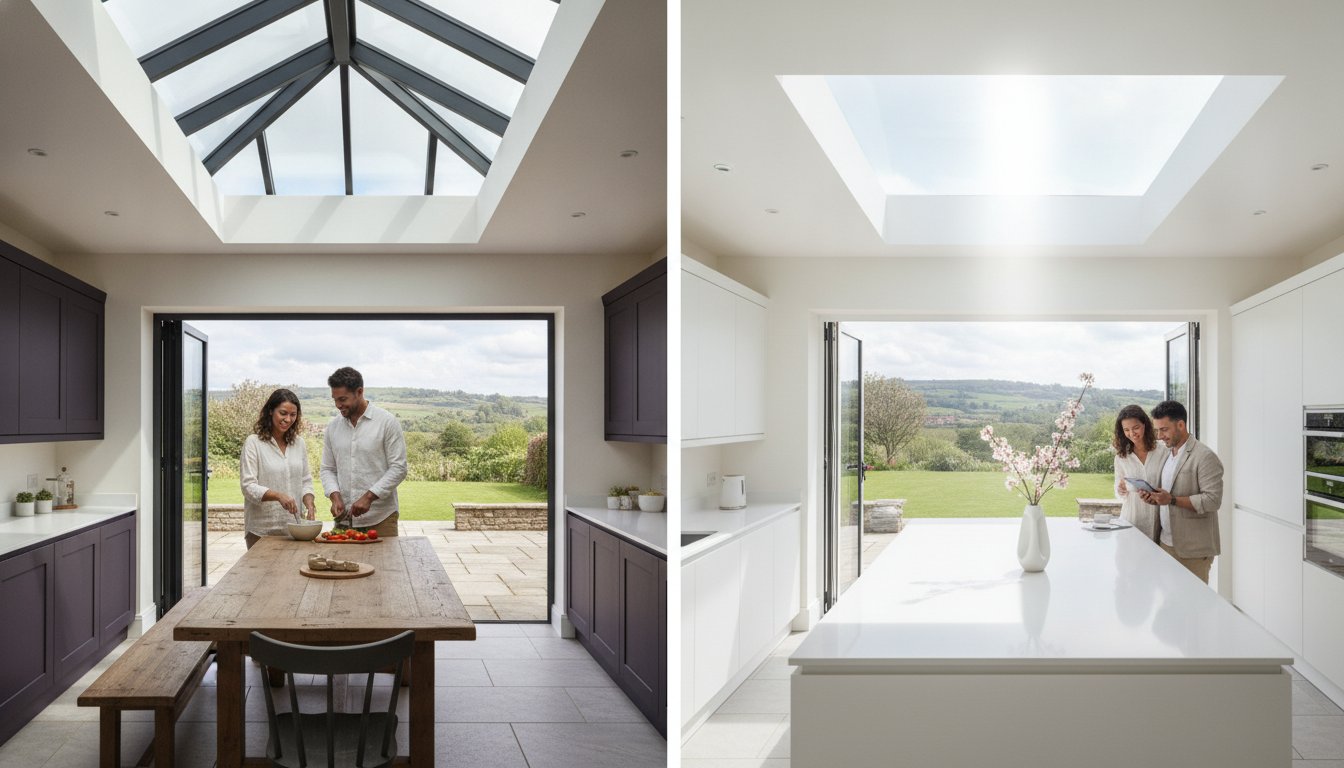
A tailored approach helps you organise your budget more effectively by balancing the cost of triple glazed vs double glazed windows across the whole project. Use premium triple units where they matter most: street-facing bedrooms for noise reduction or exposed northern elevations for warmth. In open-plan kitchen extensions, roof lanterns play a vital role in thermal management. Choosing a triple-glazed lantern can prevent heat from escaping through the ceiling whilst flooding the room with natural light. This strategic placement ensures you aren't over-spending on glass where it isn't strictly necessary.
Ready to define the right specification for your home? Request a professional survey to receive a tailored glazing plan from our local specialists.
Beyond the Price Tag: Why Quality Installation Matters for Your Yorkshire Investment
The technical gap between glazing types is clear, but the person holding the spirit level determines your final return on investment. Whilst the cost of triple glazed vs double glazed windows represents a significant budget decision, the performance of these units relies entirely on precision fitting. Triple-glazed units are approximately 50% heavier than their double-pane counterparts. This extra weight puts immense pressure on frames and hardware. If the initial survey is inaccurate or the installation is rushed, the "cheapest quote" quickly leads to dropped sashes, draughts, and premature seal failure.
In the exposed landscapes of the Dales, a poorly fitted window is a liability. Wind-driven rain and Pennine gales find the smallest gaps in a substandard installation. We've seen many homeowners make the mistake of choosing premium glass only to have it undermined by budget-grade sealants or inadequate structural support. A Yorkshire-based specialist understands these local challenges. We don't just sell windows; we advocate for the long-term protection of your home's structural integrity. Precision in the survey phase is what prevents these costly mistakes later.
Our team organises every project with a focus on structural integrity. We use heavy-duty hardware specifically engineered for the increased depth of triple glazing. This ensures your windows remain easy to operate for decades, not just months. By choosing a local specialist, you benefit from a comprehensive guarantee that actually carries weight. We're rooted in this community and take pride in every home we transform, ensuring your investment delivers the thermal comfort and noise reduction you expect.
The Windows in the Dales Difference
We focus on architectural glazing that enhances the unique character of Yorkshire residential properties. Our commitment to high-quality workmanship means we never cut corners on surveying or materials. We believe in transparency over high-pressure sales. This approach has helped us build a reputation for reliability across the region. You can see the results of our precision-led approach in our case studies, featuring local projects from Harrogate to Sheffield that prioritise both light and efficiency.
Request Your Personalised Glazing Quote
We provide expert-led advice to help you navigate the 2026 pricing landscape without the hard sell. Our service area covers York, Leeds, Harrogate, and the surrounding Dales. We'll help you balance the cost of triple glazed vs double glazed windows based on your specific property needs and budget. Let's start your home transformation today. Request a Quote and secure a warmer, quieter, and more valuable future for your Yorkshire home.
Secure a Warmer, Quieter Future for Your Home
Balancing the cost of triple glazed vs double glazed windows requires a long-term view of your home’s performance and future market value. You now understand how triple glazing delivers a 33% improvement in thermal retention whilst silencing urban noise; yet its success rests entirely on the precision of the final installation. Choosing a trusted local specialist ensures your investment is protected by heavy-duty hardware and expert surveying. Proudly serving Yorkshire homes since 2021, Windows in the Dales focuses on Heritage and Slimline architectural glazing that respects the unique character of our region.
Our expert local teams across Leeds, York, and Harrogate provide the technical authority needed to meet 2026 building regulations without the hard sell. Don't settle for the cheapest quote when quality craftsmanship defines your home's comfort. It's time to stop worrying about rising energy bills and start enjoying a genuine sanctuary from the elements. Get a transparent quote for your Yorkshire home improvement project and take the first step toward a more efficient, beautiful property. We're ready to help you transform your living space with the care it deserves.
Frequently Asked Questions
Is triple glazing worth the extra cost in the UK?
Triple glazing is worth the investment if your priority is long-term thermal comfort and meeting the 2026 U-value target of 0.8 W/m²K. Whilst the energy savings are modest at £20 to £40 per year over double glazing, it eliminates cold spots near windows. This makes your living space more usable during harsh Yorkshire winters. It also future-proofs your property value as the Future Homes Standard becomes the new market benchmark.
Can I install triple glazing in my existing window frames?
You generally cannot install triple glazing in existing frames because the units are significantly thicker and heavier. Triple units typically measure between 36mm and 44mm, whereas standard double glazing is only 28mm wide. Additionally, a triple-glazed unit weighs approximately 50% more than a double-pane equivalent. This requires reinforced profiles and heavy-duty hardware to ensure the window remains functional and safe over time.
How much more expensive is triple glazing than double glazing in 2026?
In 2026, the cost of triple glazed vs double glazed windows typically involves a price premium of 25% to 40% from most suppliers. For a typical 3-bedroom semi-detached house with 8 windows, the estimated project cost is approximately £4,400. Larger detached properties with 15 windows can expect costs around £8,050. This premium covers the extra glass, argon gas fills, and the more complex installation process required for heavier units.
Does triple glazing stop condensation better than double glazing?
Triple glazing is highly effective at stopping internal condensation because the inner pane stays significantly warmer. By creating two insulating barriers, the window prevents the glass surface from reaching the dew point where water vapour turns into droplets. This is particularly beneficial for stone properties in damp Yorkshire locations. It protects your interior finishes and prevents mould growth on window sills throughout the winter months.
Will triple glazing significantly reduce noise from the road?
Triple glazing provides a noticeable reduction in road noise by offering an additional 3-5 dB of insulation over double glazing. Because decibels are measured on a logarithmic scale, this represents a significant decrease in perceived volume for the human ear. It's the ideal choice for homes near busy commuter routes like the A1(M). For maximum effect, ensure your units use varying glass thicknesses to disrupt different sound frequencies.
What is the typical payback period for triple-glazed windows?
The typical payback period for the extra investment of triple glazing is estimated to be over 20 years for most UK homes. Since the additional energy saving is roughly £20 to £40 annually, the financial ROI is a slow process. Most homeowners choose it for lifestyle benefits instead. This includes superior acoustic insulation, the removal of draughts, and the peace of mind that comes with meeting modern building standards.
Do I need triple glazing for a south-facing room in Yorkshire?
You don't necessarily need triple glazing for south-facing rooms, as these areas already benefit from natural solar gain. High-quality double glazing with a solar-control coating often provides the best balance between warmth and light. However, if that room faces a noisy road or is part of a larger open-plan extension, triple glazing might still be the best choice for sound dampening and structural consistency across the elevation.
Can I mix double and triple glazing in the same house?
You can certainly mix double and triple glazing in the same house to maximise your budget. Many homeowners choose triple glazing for north-facing bedrooms to ensure warmth and quiet whilst using double glazing for south-facing lounges. This strategic approach allows you to manage the cost of triple glazed vs double glazed windows effectively. It ensures you invest in high-performance glass exactly where it provides the most tangible lifestyle benefit.