What if the greatest risk to your Yorkshire home isn't the biting winter wind, but a single unauthorised window frame? Many homeowners across our region assume that upgrading to energy-efficient glazing is a simple home improvement task. However, if you live in a protected pocket of York or the North York Moors, the answer to the question "Do I need planning permission to replace windows in a conservation area?" is often a resounding yes. You shouldn't have to choose between a warm, light-filled home and preserving the architectural heritage of your local community. We understand the frustration of drafty original sashes and the confusion caused by complex Article 4 Directions that remove your usual development rights.
This 2026 guide will help you navigate the latest planning fees, such as the £548 householder application cost, so you can upgrade your property whilst remaining fully compliant. You'll learn how modern aluminium windows and heritage uPVC can meet strict conservation standards when chosen correctly. We'll show you how to work with local officers to secure your investment and avoid the stress of local council enforcement notices. By the end of this article, you'll have a clear roadmap to a more efficient, beautiful home that respects our regional legacy.
Key Takeaways
- Identify if your property is subject to an Article 4 Direction, a common legal tool used across Yorkshire to restrict standard permitted development rights.
- Clarify the crucial question, "Do I need planning permission to replace windows in a conservation area?", by understanding how local officers interpret the 'like-for-like' principle.
- Explore how high-quality aluminium windows and heritage uPVC can replicate traditional aesthetics whilst meeting 2026 thermal performance standards.
- Learn how to use pre-application advice in York or Harrogate to streamline your project and avoid the risk of costly enforcement actions.
- Discover the essential documents required for a successful application, including scaled drawings and detailed Design and Access statements.
Understanding Conservation Areas and Your Permitted Development Rights
A conservation area is a designated zone of special architectural or historic interest. Its purpose is to protect the unique character and appearance of a neighbourhood rather than just individual buildings. When you ask, "Do I need planning permission to replace windows in a conservation area?", you're dealing with a layer of protection that goes beyond standard building rules. Understanding Conservation Areas is essential because there are approximately 10,000 such zones across England, and each has its own local nuances. These areas are vital to our regional identity, ensuring that the charm of our Yorkshire towns isn't lost to unsympathetic modern developments.
Whilst "Permitted Development" rights normally allow homeowners to make minor improvements without a full application, these rights are often curtailed in protected zones. Recent planning policy shifts throughout 2024 and 2025 have introduced a more nuanced approach to heritage glazing. There is now a greater emphasis on allowing energy-efficient upgrades in historic homes to combat high energy bills and carbon emissions. This shift acknowledges that traditional homes must adapt to survive, but it doesn't give you a green light for any design. It's a balance between modern thermal performance and heritage preservation.
Why Your Local Yorkshire Council Cares About Your Windows
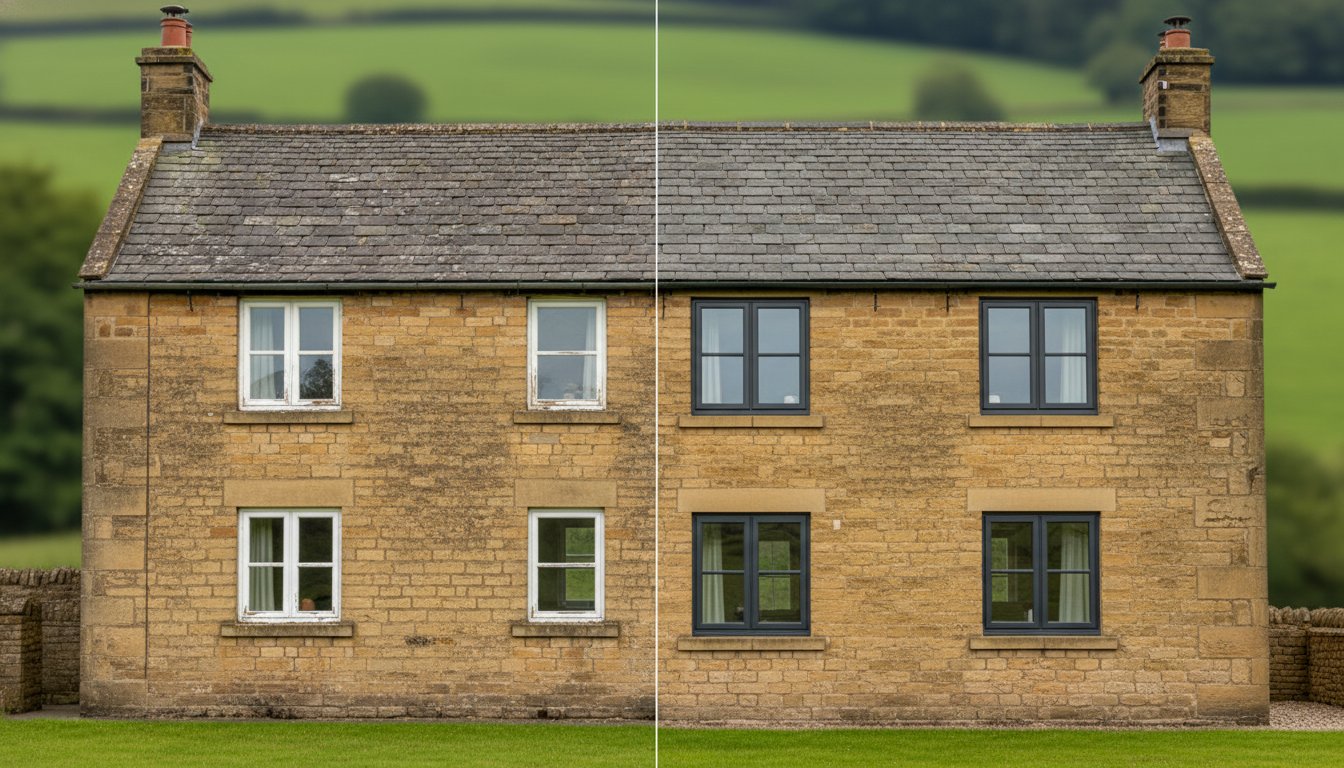
Local councils in historic centres like Beverley or Ripon are guardians of the "street scene." They focus on the visual harmony of a terrace or a village square. Planning officers pay close attention to the "rhythm" of a building, which includes the pattern, size, and spacing of window openings. Even the thickness of a frame or the way glass reflects light can disrupt this delicate balance. If you choose sympathetic upgrades like slim-profile aluminium windows, you can often satisfy these strict aesthetic requirements. Doing so correctly doesn't just keep the council happy; it protects your investment and can significantly increase the long-term value of your property.
The General Rule: Like-for-Like vs. Material Changes
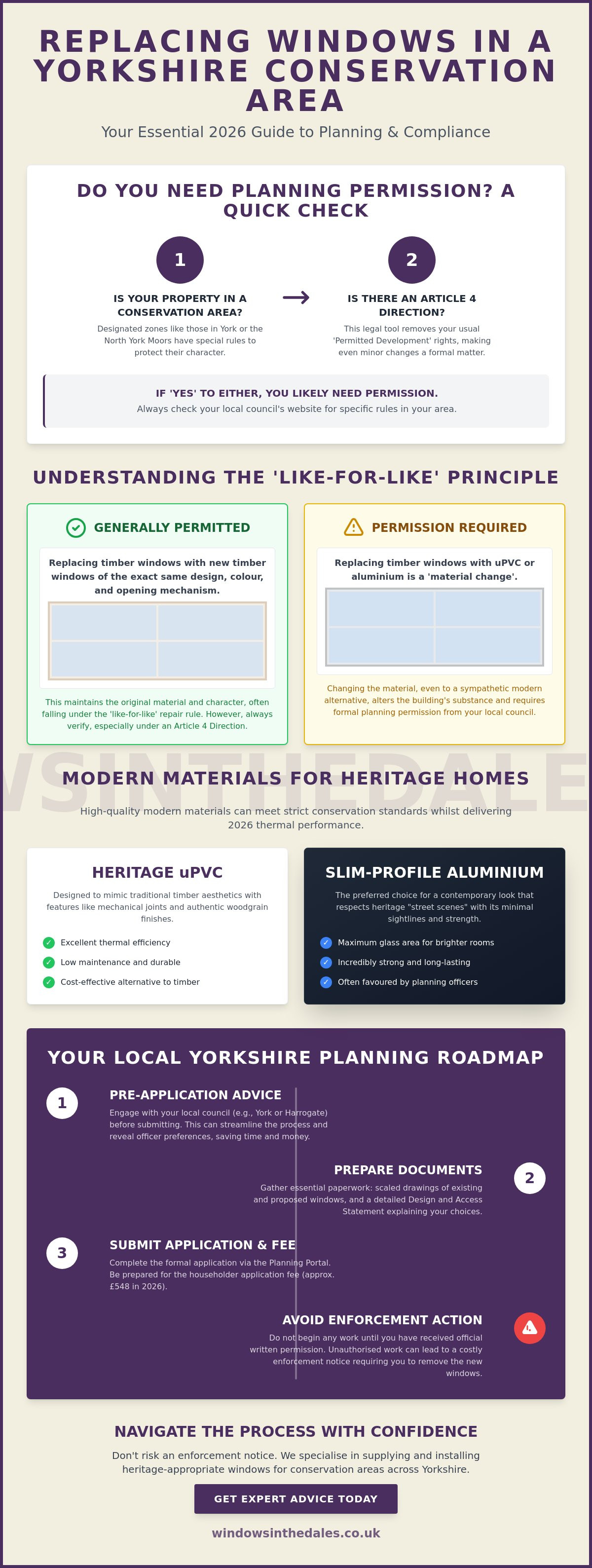
The standard principle for replacement is "like-for-like." This means the new units should match the originals in colour, material, and opening mechanism. If you plan to replace timber with timber in the exact same style, you might not need a formal application. However, moving from timber to uPVC windows is considered a "material change" because the substance of the window has altered. This change usually requires you to notify the local authority. Before you start any work in Leeds or Sheffield, always verify the specific local requirements. Assuming you have the right to change materials without a permit is a common error that can lead to costly enforcement notices, requiring you to reinstate the originals at your own expense.
The 'Article 4 Direction': The Hidden Hurdle for Yorkshire Homeowners
Article 4 Directions are the specific legal tools local authorities use to withdraw standard Permitted Development Rights. In many parts of Yorkshire, these directions turn a simple window replacement into a formal planning matter. If you live in a protected pocket of Harrogate or York, you might find that even replacing a single pane requires council approval. These directions exist to prevent the "gradual erosion" of a neighbourhood’s character. This happens when individual, small changes, such as swapping timber for plastic, eventually destroy the historic visual unity of a street. It's a protective measure that ensures our local heritage remains intact for future generations.
The answer to "Do I need planning permission to replace windows in a conservation area?" often depends on whether an Article 4(2) Direction is active for your specific street. For instance, the North York Moors National Park Authority has implemented these in villages like Staithes and Helmsley. This means any alteration to a window on an elevation fronting a highway, waterway, or open space needs formal permission. You should search your local council’s website for an "Article 4 map" of your postcode before committing to any design or signing a contract. It's the most reliable way to avoid a surprise enforcement notice later.
Common Restrictions Under Article 4
When Article 4 is active, the level of detail required by planning officers increases significantly. Councils often ban the transition from traditional timber to standard uPVC because the thicker frame profiles disrupt the original architectural intent. You may also face strict rules regarding glazing bar patterns, where the new units must match the exact layout of the originals. Even the "sightlines," or the visible width of the frame, must remain consistent with the historic design. Many Yorkshire authorities also demand specific finishes or heritage colours, often requiring shades that match traditional paint palettes rather than standard industrial whites.
Is Your Property a 'Listed Building' Too?
It's vital to distinguish between a conservation area and a "Listed" building. Whilst a conservation area protects a whole neighbourhood, listing protects the specific fabric of a single structure. If your home is Grade II listed, which accounts for 91.7% of all listed buildings in England, you face even stricter controls. You will always need Listed Building Consent for window replacements that affect the building's character. This is a separate legal requirement from planning permission, though the two often overlap. At Windows in the Dales, we provide bespoke Heritage Doors and windows designed to satisfy the most discerning conservation officers. If you are navigating these complex requirements, you can view our case studies to see how we have successfully managed similar heritage projects across the region.
Choosing the Right Materials: Timber, Aluminium, or Heritage uPVC?
Selecting the right frame material is the most critical decision for your project. As of 2026, building regulations demand higher thermal performance, making old-fashioned single glazing obsolete. However, when you ask, "Do I need planning permission to replace windows in a conservation area?", the answer hinges on how closely your new material replicates the old. Standard uPVC is frequently rejected by Yorkshire planning officers because its bulky, mitred corners and shiny finish scream "modern" against historic stone or brick. According to the Planning Portal guidance on windows, any change in material is a significant factor in whether permission is granted. You must choose a material that respects the architectural integrity of your street whilst providing 21st-century comfort.
Modern technology has bridged the gap between efficiency and aesthetics. We now see the rise of "Flush Casement" designs which sit level with the frame, mimicking the flat appearance of traditional timber. These alternatives are increasingly accepted in conservation areas across Harrogate and York because they respect the original architecture whilst providing the security and warmth of contemporary glazing. By moving away from low-cost, standard options toward high-quality heritage materials, you protect your home's character and your long-term investment. This approach satisfies the local council and ensures your property remains a valuable asset within the community.
The Aluminium Advantage: Slimline and Steel-Look
Aluminium Windows offer a unique aesthetic that mimics traditional industrial or steel frames. Their primary lifestyle advantage is the ultra-slim sightline. By reducing the frame width, you maximise the natural light entering your home; this is essential for north-facing Yorkshire properties or homes with smaller apertures. Aluminium is also exceptionally durable. It resists the harsh, damp winters of the Dales without warping or requiring the constant repainting that timber demands. This material provides a sleek, contemporary feel that still feels at home in a sensitive heritage context, particularly in urban conservation zones where steel frames were historically common.
Heritage uPVC: The Cost-Effective Compromise
Our heritage uPVC Windows are designed to deceive the eye and satisfy strict planning requirements. They feature mechanical joints that replicate traditional timber joinery and wood-grain foils that provide a textured, matte finish. For 2026 compliance, these units achieve impressive U-values, ensuring your home stays warm whilst meeting strict energy standards. The key to passing a conservation area inspection is the "Flush" frame. This design eliminates the overlapping "lip" found on standard plastic windows, preserving the clean lines of your home's original facade. These frames offer the look of painted wood without the high maintenance costs, making them a sensible, long-term investment for the modern homeowner.
The Planning Application Process: A Local Yorkshire Roadmap
Determining the answer to "Do I need planning permission to replace windows in a conservation area?" is only the first step. If your project requires formal approval, you must navigate a structured roadmap. In Yorkshire, this process is handled by your local planning authority, such as the City of York Council or Harrogate Borough Council. We recommend starting with pre-application advice. Most councils offer this service for a fee, which typically ranges from £50 to £150. This initial consultation allows you to understand the local officer's expectations before you commit to a full submission. It's a small investment that can prevent a costly refusal later.
Once you've received initial feedback, you must gather your documentation. This isn't the time for vague sketches. You'll need professionally scaled drawings, usually at 1:20 or 1:50, showing exact frame profiles and glazing bar details. You'll also need a site plan and a Design and Access statement. After submission, your application enters a 21-day consultation period. During this time, neighbours and local heritage groups can review your plans. A final decision is typically issued within 8 weeks. If your application is approved, it might include "conditions," such as a requirement to use a specific paint colour or a particular handle style. You can view examples of our successful heritage installations in our case studies gallery.
Writing a Winning 'Design and Access' Statement
Your Design and Access statement should focus on "enhancement" rather than just "replacement." Instead of simply stating you want new frames, explain how our aluminium windows will improve the building’s thermal performance whilst using sustainable materials. Use technical terms to demonstrate that you've considered the building's historic fabric. We assist our clients by providing detailed technical specifications and architectural drawings that align with 2026 energy standards. This professional approach shows the council that you're a responsible guardian of your home's heritage.
Dealing with Objections and Appeals
It's common for councils to request minor tweaks to a design, such as changing a handle finish or a frame shade. These are usually easy to accommodate. However, if a well-reasoned application is refused, you have the right to appeal to the Planning Inspectorate. This is where local expertise becomes your greatest asset. National "one-size-fits-all" installers often fail to understand the specific aesthetic nuances of Yorkshire stone or the historic "rhythm" of a Dales village. A specialist who understands our regional architecture is far more likely to secure a successful outcome. If you're ready to begin your project with a team that respects local heritage, contact our Yorkshire team for expert guidance today.
Expert Heritage Glazing with Windows in the Dales
We are deeply rooted in our community and care about the long-term satisfaction of every local resident. Our commitment to preserving Yorkshire’s unique architectural character drives everything we do. When you ask, "Do I need planning permission to replace windows in a conservation area?", you're often seeking more than just a permit; you're seeking peace of mind. We act as a guardian for your investment, ensuring every frame we install is legally sound and aesthetically beautiful. Our specialist knowledge of York, Harrogate, and Leeds conservation area requirements means we understand the specific nuances that national installers often overlook.
Navigating the balance between modern thermal standards and heritage preservation is a complex task. We believe that your home's history shouldn't be a barrier to contemporary comfort. By focusing on the beauty of natural illumination and contemporary aesthetics, we help you transform your living space into a sanctuary that respects its past. We encourage you to view our local projects for inspiration, seeing firsthand how we've successfully navigated the same regulations you face today. Protecting the visual integrity of our region is a responsibility we take seriously.
From Cottages to Townhouses: Tailored Solutions
Every property requires a bespoke approach to ensure a sympathetic fit. We offer tailored configurations for heritage sash and flush casement windows that mirror the original craftsmanship of your home. These designs allow you to integrate modern security features with period-correct hardware, providing safety without compromising on style. Whether you own a rural stone cottage or a grand urban townhouse, we have the expertise to deliver a perfect match. If you're ready to start your journey, request a quote for a local site survey. We'll provide the technical specifications and professional advice needed to move your project forward with confidence.
The Windows in the Dales Quality Seal
Our professional installation team focuses on high-quality workmanship and meticulous attention to detail. We prioritise long-term value over low-cost, "quick-fix" options that often lead to planning disputes or poor performance. This dedication to quality is our verbal seal of duty to the homeowners of Yorkshire. We redefine the concept of value by steering our customers toward materials that offer longevity and utility. Enhancing natural light whilst protecting your home's history is our ultimate goal. Look through our case studies to see how we've helped others achieve this balance. By choosing a partner who values craftsmanship as much as you do, you ensure your home remains a source of pride for decades to come.
Secure Your Home’s Future and Heritage
Protecting the architectural soul of Yorkshire doesn't mean you have to endure drafty, inefficient glazing. By identifying Article 4 Directions early and selecting materials that respect your property’s original rhythm, you can achieve a perfect balance of comfort and compliance. The answer to Do I need planning permission to replace windows in a conservation area? is clearer when you partner with local specialists who understand the specific demands of our regional planning officers. We provide high-performance slimline aluminium and heritage uPVC solutions that meet strict 2026 energy standards whilst satisfying conservation criteria.
As a local family-run business based in the heart of the region, we take pride in acting as guardians of your investment. We ensure every project is legally sound, aesthetically beautiful, and built to last. Don't leave your home’s character to chance with national installers who lack regional insight. Book a Heritage Glazing Consultation with Our Yorkshire Experts today to begin your transformation. We look forward to helping you enhance your home’s natural light and historic charm whilst protecting its unique history.
Frequently Asked Questions
Can I use double glazing in a conservation area in 2026?
Yes, you can use double glazing in 2026 provided the units feature a slimline profile that mimics original single panes. Modern heritage glazing is designed to fit traditional rebates whilst meeting current thermal standards. Most Yorkshire authorities now accept high-performance units that preserve the building's historic sightlines and architectural integrity.
What happens if I replace windows in a conservation area without permission?
Replacing windows without necessary approval can lead to a formal enforcement notice from your local council. You may be legally required to remove the new windows and reinstate the originals at your own expense. This process is both stressful and costly, which is why we advocate for confirming your status before any work begins.
How much does a planning application for windows cost in Yorkshire?
The standard fee for a householder planning application in England is £548, effective from 1 April 2026. This applies if you are altering a single dwellinghouse. You should also budget between £50 and £150 for pre-application advice to ensure your proposal aligns with the specific heritage expectations of your local authority.
Do I need permission for secondary glazing in a historic home?
You generally don't need planning permission for secondary glazing because it is an internal alteration. This makes it a popular way to improve insulation in Grade II listed buildings without altering the external fabric. However, you should always check with a conservation officer if your property is listed to ensure no internal historic features are affected.
Are uPVC windows ever allowed in York's conservation areas?
When asking "Do I need planning permission to replace windows in a conservation area?", many York residents find that heritage uPVC is often acceptable. Whilst standard plastic frames are frequently rejected, our heritage ranges use flush casements and mechanical joints to satisfy the city's strict aesthetic requirements. Success often depends on whether your specific street is subject to an Article 4 Direction.
How long does the planning process take for window replacements?
The planning process typically takes 8 weeks from the date your application is validated by the council. This period includes a statutory consultation phase where neighbours and local groups can review the proposal. We recommend allowing for this timeframe in your project schedule to ensure your home improvements stay on track.
Does every house in a conservation area have an Article 4 Direction?
Not every home in a conservation area is subject to an Article 4 Direction. These are specific legal tools used by councils like Harrogate or York to remove permitted development rights on a street-by-street basis. You should check your local council's online maps or contact their planning department to see if your specific postcode is affected.
Can I change the colour of my windows if I live in a conservation area?
Changing the colour of your window frames usually requires permission if it significantly alters the appearance of the property. Local authorities prefer traditional shades that match the existing street scene. When people ask, "Do I need planning permission to replace windows in a conservation area?", they often find that even a shift from white to a heritage green requires a formal notification.