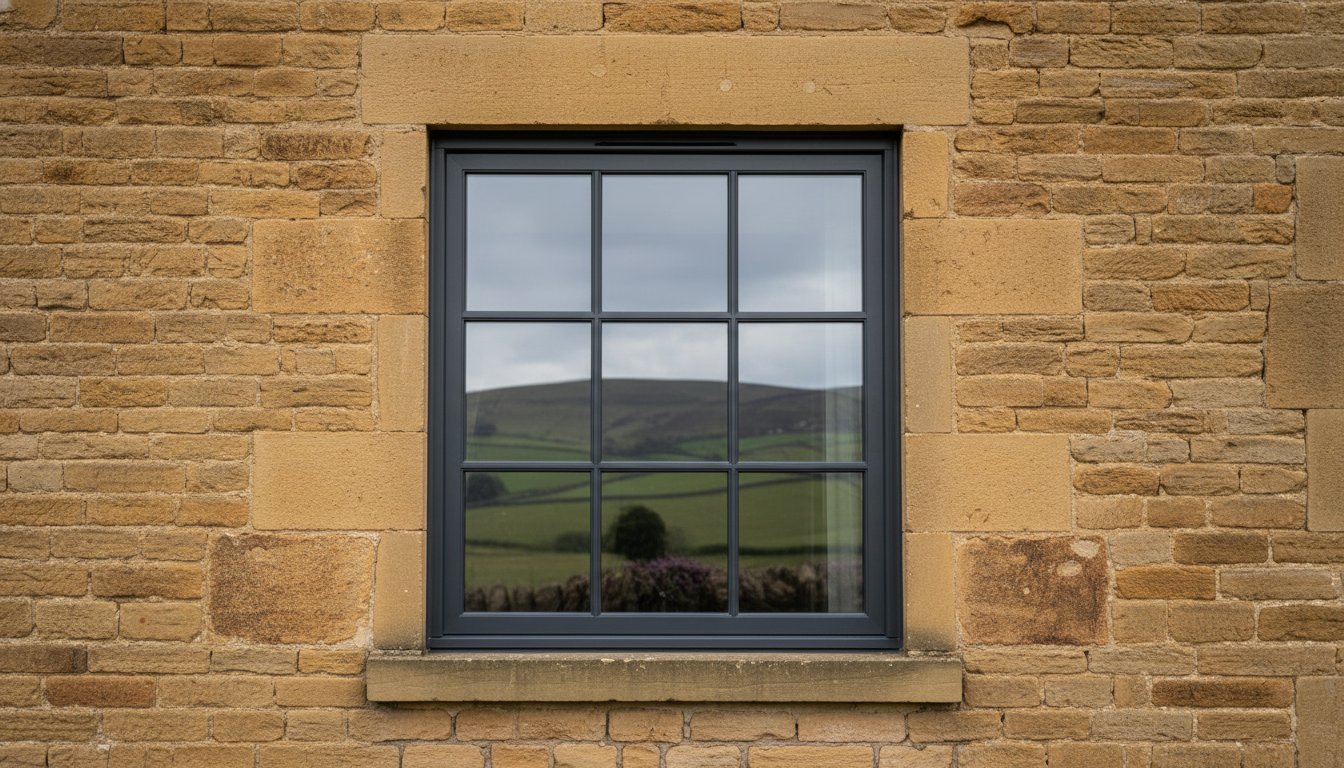
Upgrading a Yorkshire stone cottage or a Harrogate townhouse isn't just a home improvement task; it's a high-stakes preservation of your property's architectural soul. You likely already realise that heritage style windows cost more than standard modern casements, yet the conflicting price ranges found online rarely account for the specific demands of our local landscape. It is frustrating to balance the need for modern thermal efficiency against the fear of choosing a material that looks out of place against traditional masonry or weathered brickwork.
We understand that managing conservation area rules in York or the Dales can feel like a minefield for any homeowner. This 2026 guide provides the clarity you need to invest with confidence. You will discover the primary factors influencing local pricing, from the latest Part L thermal requirements to the aesthetic differences between slimline aluminium and authentic uPVC flush casements. We also examine how local planning implications, such as Article 4 Directions, shape your project's scope and budget. By the end, you will know how to select a window system that honours your home's history while delivering the high-performance comfort you deserve.
Key Takeaways
- Distinguish between authentic timber-effect uPVC and industrial-style aluminium to find the perfect architectural match for your Yorkshire home.
- Identify the specific glazing and hardware upgrades that influence the total heritage style windows cost beyond the initial frame estimate.
- Gain clarity on navigating strict conservation area rules and Article 4 Directions in locations like Harrogate, York, and the Dales.
- Compare the long-term performance benefits of slimline aluminium against the cost-effective accessibility of modern uPVC systems.
- Understand why a professional installation is the most critical factor in protecting your investment and ensuring compliance with 2026 thermal regulations.
Understanding the Heritage Aesthetic: Why Costs Vary
Yorkshire's architectural landscape is a tapestry of history, from the rugged gritstone farmhouses of the Dales to the elegant Victorian terraces of Harrogate. When you decide to upgrade your glazing, you aren't just buying glass and frames; you're making a choice about the character of your home. A heritage window is a specialised category of glazing designed to mimic the appearance of traditional timber or industrial steel. Because these systems prioritise authenticity, the heritage style windows cost is generally higher than that of standard modern casements. This premium reflects the engineering required to achieve slimmer sightlines and the inclusion of period-accurate hardware.
Achieving a convincing look requires attention to detail that standard windows simply don't offer. Authentic detailing, such as monkey tail handles and pear-drop fasteners, is essential for a period finish. Astragal bars are another critical component. These bars are applied to the surface of the glass to create the appearance of multiple individual panes, a technique that requires precision during the manufacturing process. Choosing between aluminium and uPVC is the first major decision you'll face. Both materials offer distinct benefits, but both must adhere to the high standards of design required for older properties.
The Steel-Look vs The Timber-Look
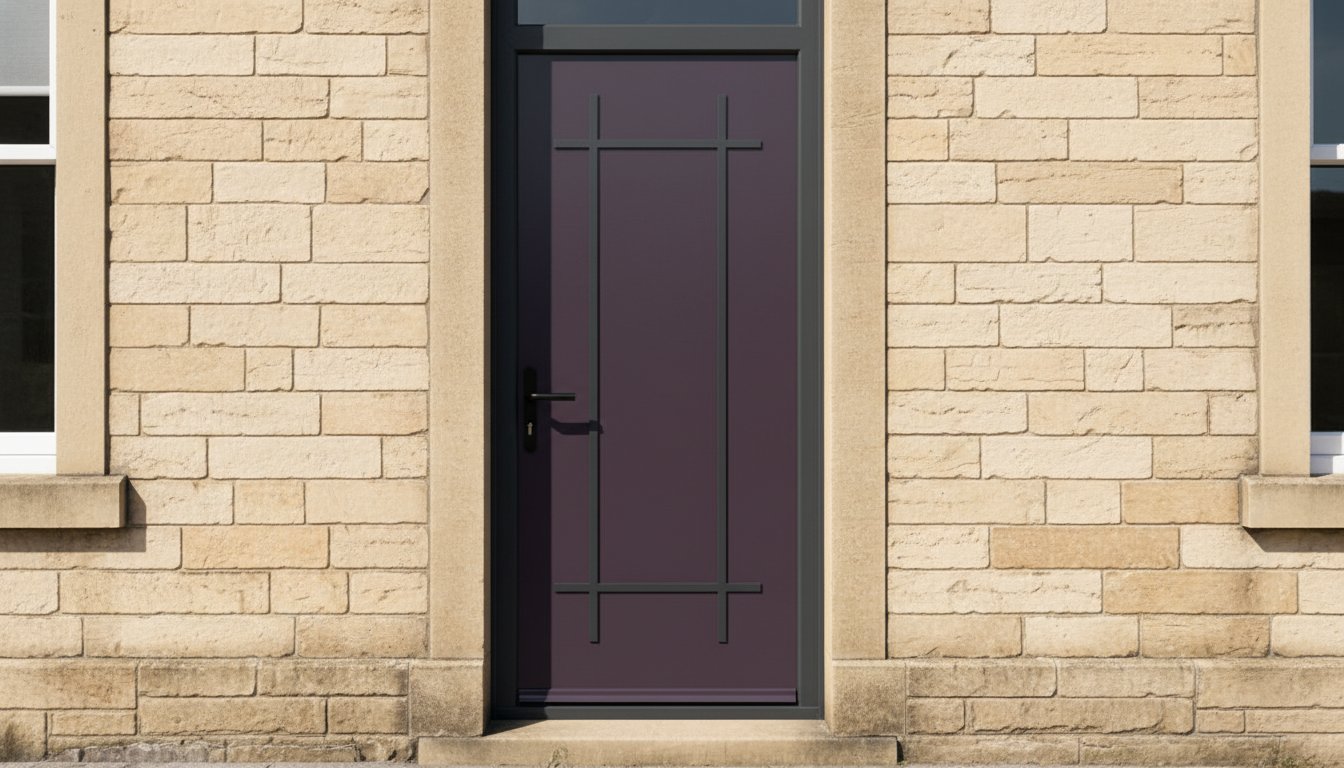
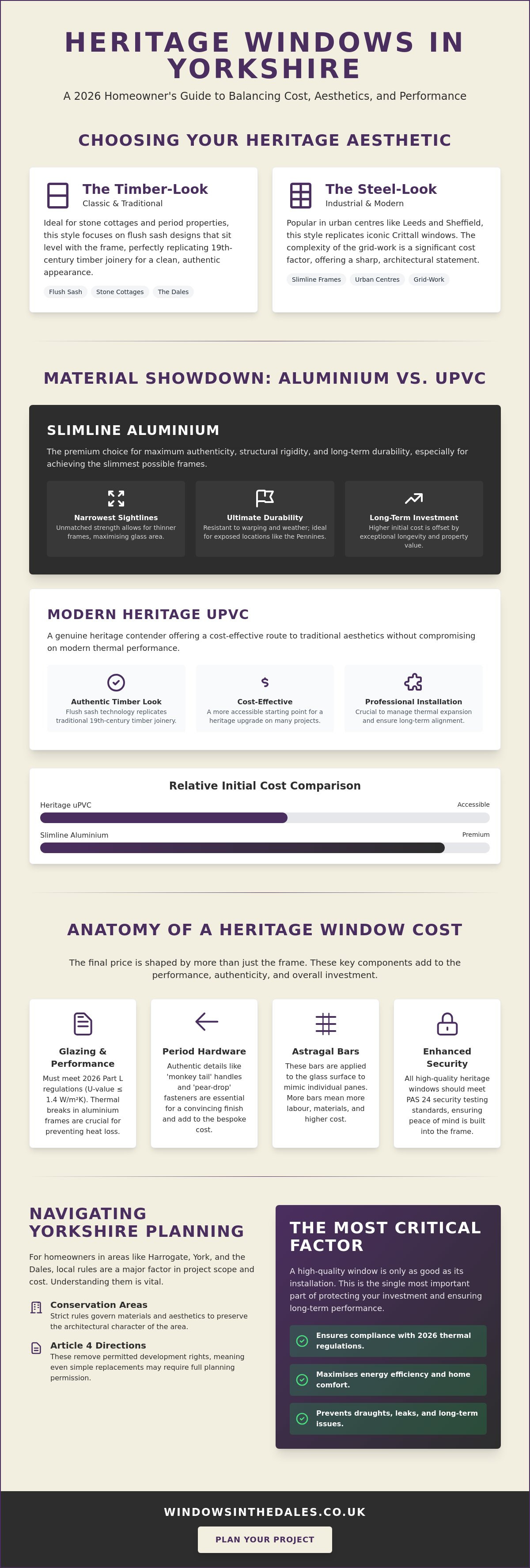
Architectural trends in Yorkshire are shifting. In urban centres like Leeds and Sheffield, many homeowners are opting for the industrial steel-look. This style replicates the iconic Crittall windows of the early 20th century. The complexity of the grid-work is a significant factor in final heritage window prices. More bars mean more labour and materials. Conversely, the timber-look focuses on flush sash designs. These windows sit level with the frame to create a clean, traditional line that suits stone cottages perfectly. Aligning your renovation with Historic preservation principles ensures your home retains its aesthetic integrity whilst benefiting from modern technology.
Performance Standards and Longevity
Investing in heritage windows isn't just about looks. It's about performance. Modern systems must meet strict 2026 Building Regulations, specifically Part L, which requires a maximum U-value of 1.4 W/m²K. High-end aluminium frames include thermal breaks to prevent heat loss, turning a technical requirement into a long-term financial saving on energy bills. Security is equally vital. Every window we discuss meets PAS 24 security testing as a standard. By choosing bespoke manufacturing within the UK, you ensure that every frame is built to withstand the unique weather conditions of the North, providing longevity that cheap imports cannot match.
Aluminium vs uPVC: Comparing Heritage Window Prices
Choosing the right frame material is the most significant factor affecting your final heritage style windows cost. Whilst both uPVC and aluminium offer modern thermal benefits, they cater to different architectural priorities and budget levels. Standard uPVC windows often look too bulky for period properties. High-end heritage ranges use specialised profiles to bridge the gap between performance and tradition. Aluminium remains the premium choice for those seeking the narrowest possible frames. It offers a level of structural rigidity that uPVC cannot match, particularly in larger apertures. Cheap heritage imitations often fail because they rely on standard thick frames that look "plastic" against Yorkshire stone. Investing in a purpose-built system ensures your home retains its aesthetic value for decades.
Durability is another area where these materials diverge. Aluminium is naturally resistant to warping and does not expand or contract significantly with temperature changes. This makes it an ideal long-term investment for exposed properties in the Pennines. Modern uPVC windows have improved significantly, but they still experience more thermal expansion than metal. This can lead to minor alignment issues over time if the installation isn't perfect. However, for many homeowners, the accessibility of uPVC makes it the logical starting point for a heritage upgrade.
Premium uPVC Heritage Windows
Flush sash technology has transformed uPVC from a basic utility into a genuine heritage contender. These windows sit level with the outer frame to replicate the appearance of traditional 19th-century timber joinery. Woodgrain foils allow you to match the specific colour and texture of oak or painted wood, making them a popular choice for traditional cottages in the Yorkshire Dales. These systems represent a significant step up from standard uPVC in terms of both quality and cost. They provide a warm, classic look that satisfies many conservation requirements without the maintenance of real wood.
Architectural Aluminium Heritage Systems
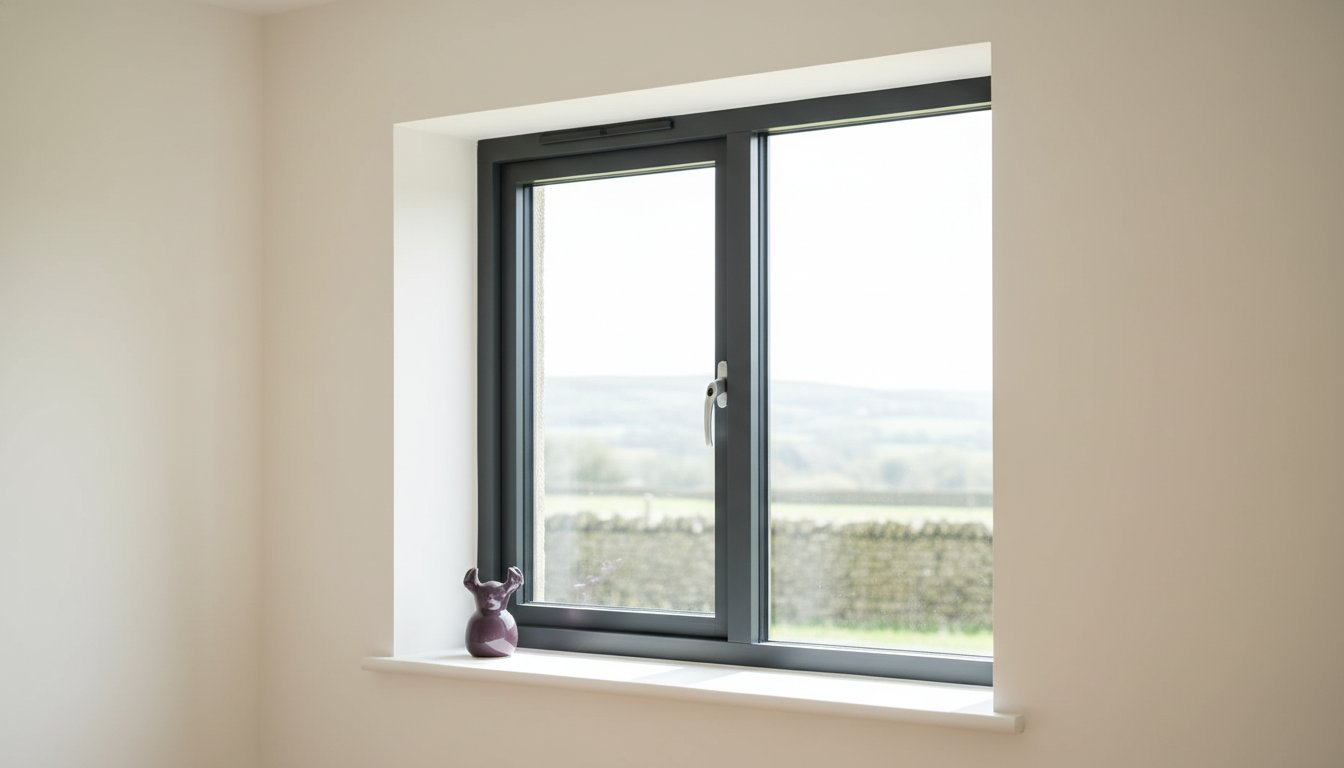
The cost justification for aluminium windows lies in their strength and slim profiles. The "Smart Heritage" style is frequently used in urban Yorkshire renovations to achieve an authentic steel-look with modern thermal breaks. These systems allow for much larger glazing spans, which is perfect for properties where enhancing natural light is a priority. Every frame is finished with a durable powder coating that resists the elements. This material is the specialist's choice for high-end, architecturally sensitive projects where only the slimmest sightlines will suffice. If you are unsure which material suits your property, you can request a quote to compare the options for your specific project.
The Components of Cost: Beyond the Glass and Frame
Calculating your total heritage style windows cost requires looking past the basic frame price. While the material sets the foundation, several "hidden" variables dictate whether a quote remains competitive or moves into the premium bracket. These components often represent the difference between a window that merely functions and one that truly enhances a Yorkshire property. Every choice, from the thickness of the glass to the weight of the handle, influences both the immediate price and the long-term value of the installation.
Glazing and Thermal Efficiency Upgrades
Glazing technology has advanced significantly. Triple glazing typically adds between 15% and 25% to the cost of a window compared to standard double glazing. This investment is often necessary for homes in exposed areas like the higher reaches of the Dales or the Pennines. Acoustic glass is another lifestyle upgrade that adds to the budget. It significantly reduces external noise in busy urban centres like Leeds or Sheffield. Solar control glass prevents south-facing rooms from overheating during the summer months, which is a vital consideration for homes with large glazing spans. As of early 2026, all replacement windows in existing dwellings must achieve a maximum U-value of 1.4 W/m²K to comply with Building Regulations Part L.
Bespoke Features and Ironmongery
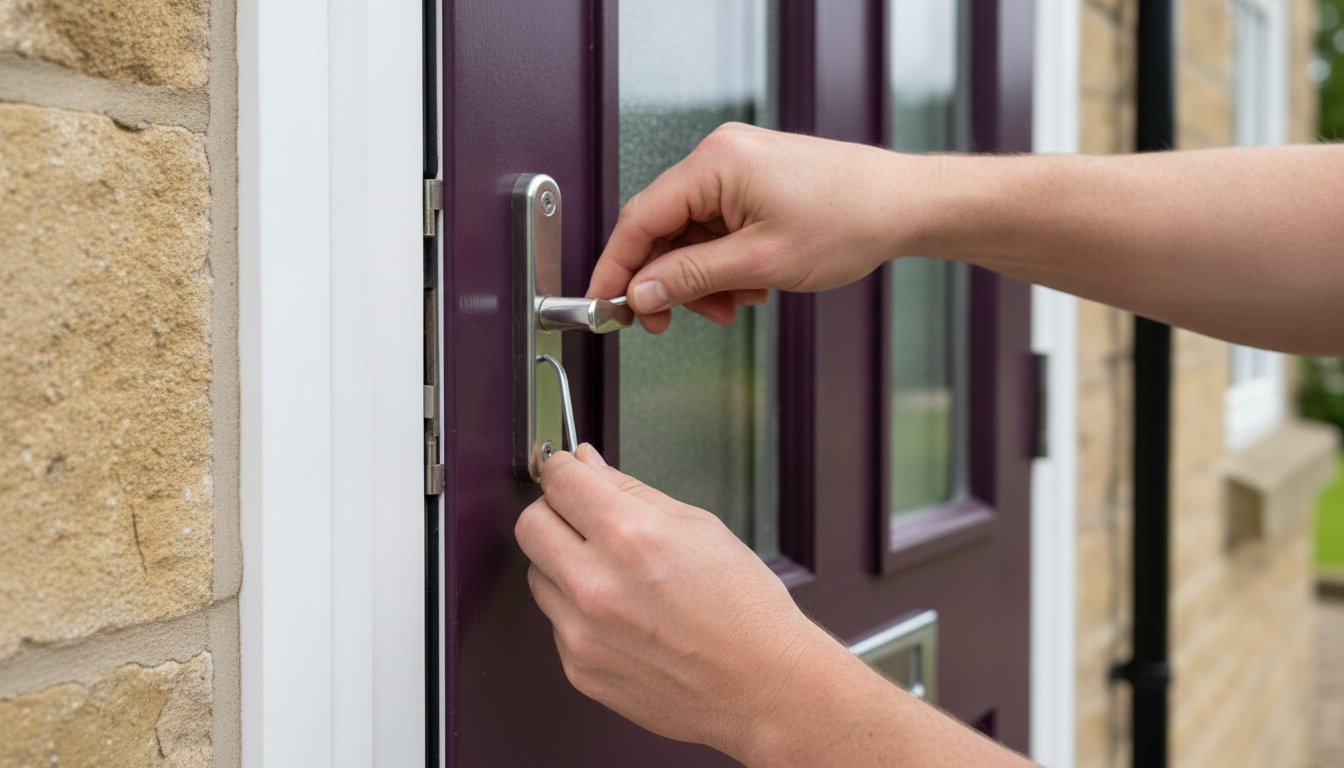
Authentic ironmongery is a non-negotiable for anyone seeking a true period aesthetic. Standard modern handles often look incongruous on a heritage frame. Choosing wrought iron styles, pear-drop fasteners, or monkey tail handles adds to the initial outlay but protects the visual integrity of your home. Astragal bars also impact the final heritage style windows cost. Internal bars sit inside the glass and are easier to clean. External bars are applied to the surface of the glass to create a tangible texture. These provide a more convincing multi-pane appearance, though they require more labour to manufacture and install.
Colour choice is the final major variable. Standard black, white, or anthracite grey are generally the most cost-effective options. Opting for a bespoke RAL colour allows you to match the specific "Agate Grey" or "Heritage Green" often found on traditional Yorkshire cottages. This customisation usually carries a premium but ensures the windows harmonise perfectly with the surrounding stone masonry. Integrated ventilation options also vary in price. Manual trickle vents are the standard solution; however, more discreet integrated systems offer a cleaner look for high-end architectural projects. These details ensure your investment looks intentional rather than like an afterthought.
Local Factors: Conservation Areas and Planning in Yorkshire
Yorkshire's heritage properties are subject to some of the strictest planning controls in the UK. Whether you own a listed building in York or a period terrace in Harrogate, local planning authorities prioritise the preservation of architectural character above all else. This oversight directly impacts your heritage style windows cost, as specific material requirements often override the desire for a standard budget solution. Working with a specialist who understands the nuances of Yorkshire planning offices is essential to avoid costly errors during the renovation process.
Conservation Area status dictates more than just the colour of your frames. It often requires a "like-for-like" replacement strategy that can limit your material choices. In certain heritage hotspots, councils implement Article 4 Directions. These legal tools remove your "permitted development" rights, meaning you must seek formal planning permission for any external changes. This is particularly common in the Yorkshire Dales National Park and historic villages where the visual continuity of stone masonry is protected. Failing to account for these rules can lead to expensive legal complications later.
Navigating Planning in Harrogate and York
Planning officers in historic centres like Harrogate and York often view bulky uPVC with skepticism. They look for the slim sightlines found in original timber or steel frames. Slimline aluminium is frequently more acceptable to these officers because it replicates those thin profiles with greater accuracy. Maintaining the character of the area is a legal duty for homeowners in these districts. You can see how we have successfully navigated these requirements by reviewing our case studies of similar local projects. These examples demonstrate how the right material choice can satisfy both modern efficiency needs and strict heritage guidelines.
The Cost of Compliance
Planning applications and heritage statements require an upfront investment of time and resources. Whilst these add to the initial project outlay, they are a fraction of the cost of enforcement action. If you install non-compliant windows, the local authority has the power to force their removal at your own expense. Investing in planning-approved windows prevents this massive financial risk. Windows in the Dales provides expert guidance on local architectural sensitivities to ensure your project is compliant from the outset. We help you choose systems that honour the history of your property whilst meeting 2026 thermal standards. To ensure your project meets local requirements, speak with our Yorkshire-based team for a tailored assessment.
Maximising ROI: Why Quality Installation Matters in the Dales
When evaluating a quote, it's easy to focus solely on the bottom line. However, the "cheapest" initial heritage style windows cost often translates into the highest long-term expense. Poor installation compromises the thermal performance and structural integrity of even the most premium frames. In Yorkshire, where stone masonry and uneven apertures are common, a standard "one-size-fits-all" approach to fitting is a recipe for disaster. Choosing a local independent specialist ensures that your investment is protected by craftsmen who understand the specific challenges of Dales architecture. This expertise is what transforms a simple replacement into a genuine property enhancement.
National volume installers often prioritise speed over precision. They frequently lack the specific expertise required to handle slimline aluminium or flush sash uPVC in older properties. A local specialist views every project as a contribution to the community's aesthetic heritage. This relationship-led approach focuses on transparency and technical excellence rather than high-pressure sales tactics. High-quality heritage windows significantly increase the kerb appeal and resale value of a Yorkshire home. They transform the living space by enhancing natural light whilst providing the security and warmth expected in 2026. Investing in quality today prevents the need for remedial work tomorrow.
Avoiding the "Solar Cowboy" and Poor Fitting
A common error in the industry involves using standard plastic trim to hide significant gaps in heritage stone openings. This practice, often associated with low-cost "solar cowboy" installers, creates a weak point for draughts and water ingress. Structural integrity is vital when installing slimline aluminium systems. These frames require precise levelling and specialised sealing techniques to perform as intended. We recommend that you request a quote for a transparent assessment that accounts for the unique geometry of your property. A professional installation ensures that the transition between the new frame and the existing masonry is seamless and durable.
Long-Term Value and Guarantees
Modern heritage windows are a legacy investment for your property. Unlike original timber or steel, these advanced systems require minimal maintenance to retain their appearance and performance. This reduction in upkeep costs, combined with lower energy bills, ensures a strong return on investment over time. Peace of mind is provided by a 10-year insurance-backed guarantee. This protects your capital against unforeseen issues and reinforces the value of your heritage style windows cost. By choosing quality over a low-cost compromise, you ensure your home remains a comfortable, energy-efficient sanctuary for decades to come. Ultimately, these windows are a commitment to the long-term architectural health of your Yorkshire residence.
Securing the Architectural Legacy of Your Property
Upgrading your glazing is a significant milestone in your home's history. Your total heritage style windows cost is influenced by much more than just frame material. It is a balance of aesthetic authenticity, compliance with 2026 thermal regulations, and the specific planning requirements of Yorkshire's conservation areas. Whether you choose the slim profiles of architectural aluminium or the classic warmth of flush sash uPVC, the value lies in how well these systems integrate with your property's unique masonry.
Protecting this investment requires a partnership with specialists who understand the local landscape. Our team focuses on Harrogate, York, and Leeds period properties, ensuring every installation honours the character of the North. We are FENSA registered and fully insured, providing the professional accountability your home deserves. Don't leave your property's transformation to chance or volume installers who ignore the finer details of Dales architecture.
Ready to move forward with confidence? Get a transparent, expert quote for your Yorkshire heritage project today. We look forward to helping you enhance the natural light and timeless beauty of your home.
Frequently Asked Questions
How much do heritage style windows cost per square metre in 2026?
Pricing for heritage windows depends heavily on your choice of material and the complexity of the installation. Aluminium systems generally command a higher price per square metre than uPVC due to the advanced engineering required for slim sightlines. Additional variables like triple glazing or bespoke RAL colours will also influence the final quote for your Yorkshire property.
Is aluminium more expensive than uPVC for a heritage look?
Aluminium is typically 1.5 to 2 times more expensive than uPVC when aiming for an authentic heritage aesthetic. This premium reflects the material's inherent strength and its ability to support larger glass spans with minimal framing. Whilst uPVC is a high-quality and accessible option, aluminium is the specialist choice for those seeking a true industrial steel-look.
Do I need planning permission for heritage style windows in a conservation area?
Planning permission isn't always mandatory if you are replacing windows on a like-for-like basis. However, many parts of York, Harrogate, and the Dales are subject to Article 4 Directions which remove these permitted development rights. In these cases, you must submit a formal application. You should always check with your local planning office before commissioning any work.
What is the price difference between Crittall-style and standard aluminium windows?
Crittall-style systems usually carry a 20% to 30% premium over standard aluminium casements. This specific heritage style windows cost increase covers the specialised slimline profiles and the intricate labour required to apply authentic astragal bars. These details are essential for achieving the industrial grid-work look that standard modern windows simply cannot replicate.
Can heritage style windows improve my home’s energy rating?
Modern heritage windows significantly enhance energy efficiency by meeting the 2026 Part L Building Regulations. These standards require a maximum U-value of 1.4 W/m²K for replacement glazing in existing dwellings. Upgrading from original single-pane timber to high-performance double or triple glazing reduces heat loss and creates a much more comfortable living environment during the Yorkshire winter.
How long does the installation of heritage windows typically take?
Most heritage window projects are completed within two to five working days. The exact timeframe depends on the number of windows and the condition of the existing stone or brick openings. A standard three-bedroom home in Leeds or Sheffield usually takes around three days. Our team ensures the site is kept clean and secure throughout the entire process.
Are heritage style windows more expensive than traditional timber windows?
The heritage style windows cost is generally lower than that of traditional engineered timber or composite frames. Whilst timber windows often require a much larger initial investment and ongoing painting, modern uPVC and aluminium alternatives offer a similar aesthetic with almost zero maintenance. This makes them a more cost-effective long-term solution for many homeowners.
What colours are most popular for heritage windows in Yorkshire?
Agate Grey and Heritage Green are the most requested colours for cottages and period homes across the Dales. These shades harmonise beautifully with local gritstone and limestone masonry. For urban renovations in Sheffield or Leeds, matt black remains the primary choice for those wanting to achieve a sharp, industrial steel-look aesthetic that mimics early 20th-century designs.