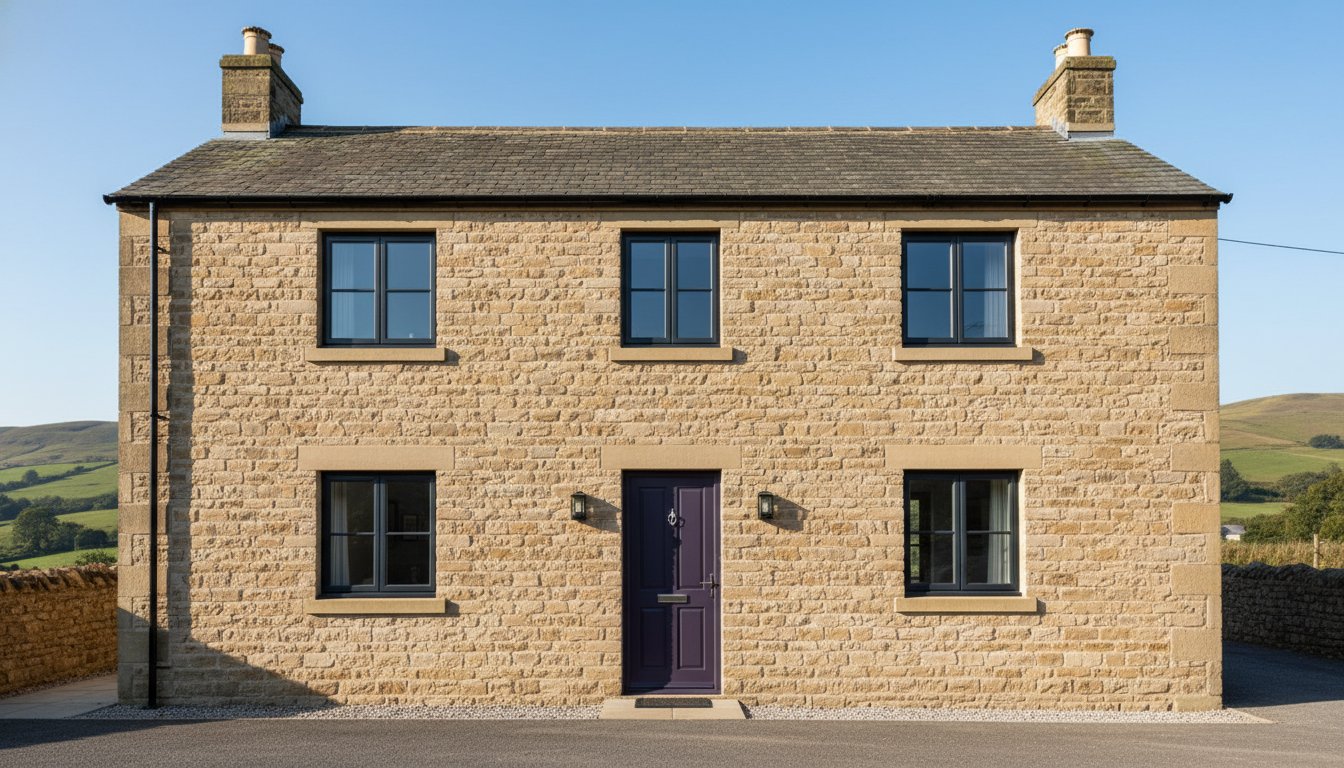
Your 18th-century Yorkshire cottage shouldn't feel like an 18th-century icebox every time the North Sea wind picks up. It's a common frustration for homeowners across the Dales who cherish their property's history but dread the arrival of winter. You likely believe that preserving your home's architectural soul means enduring draughty rooms or navigating the stressful maze of planning permission. It's a difficult balance to strike, especially when you're worried that "modern" frames might look cheap or ruin the kerb appeal you've worked so hard to maintain.
This 2026 guide reveals how to choose heritage windows and doors that offer the thermal efficiency of a new build without sacrificing a single ounce of character. We'll show you how to achieve a warm, secure home using slimline frames designed to maximise natural light. You'll discover the specific installation techniques used by local specialists to avoid the five most common planning pitfalls that often lead to costly remedial works. From selecting the right steel-look profiles to understanding local regulations, we'll ensure your renovation project is a lasting investment in quality.
Key Takeaways
- Understand the essential design features of heritage windows and doors, including slim sightlines and authentic bars, to perfectly preserve your property’s historic character.
- Compare the structural integrity of aluminium with the cost-effectiveness of uPVC to ensure your new glazing offers high-performance thermal efficiency whilst maintaining period aesthetics.
- Discover how to tailor your glazing choices to specific Yorkshire property types, ensuring frame colours and finishes harmonise with local gritstone and traditional masonry.
- Safeguard your home and budget by identifying the common pitfalls of heritage installations, such as ignoring thermal breaks or prioritising the cheapest initial quote.
- Learn why local craftsmanship and precision-led surveys are vital for ensuring your new installation withstands the unique climate and architectural demands of the Dales.
What are Heritage Windows and Doors?
Yorkshire’s architectural landscape is defined by its history, from the stone-built terraces of Harrogate to the medieval timber frames of York. Heritage windows and doors are specialised glazing systems designed to replicate the specific aesthetic of these period properties. They focus on three core elements: slim sightlines, authentic Georgian bars, and traditional hardware like monkey-tail handles or peg stays. Historically, achieving this look meant maintaining high-maintenance timber or draughty steel frames. In 2026, the definition has shifted toward high-performance materials that mimic these old-world details while exceeding modern building regulations.
Understanding the history of these designs helps homeowners make informed choices. What are Heritage Windows and Doors? Historically, these were vertical sliders or side-hung casements that provided the primary source of light and ventilation for centuries. Today, heritage windows and doors bridge the gap between 19th-century charm and 21st-century technology. Homeowners across the Dales are increasingly adopting these styles to satisfy the 2025 Future Homes Standard, which mandates a 75% to 80% reduction in carbon emissions for new components. This balance allows you to retain your home’s character without suffering through the heat loss associated with original single-glazed units.
The "Steel-Look" Revolution
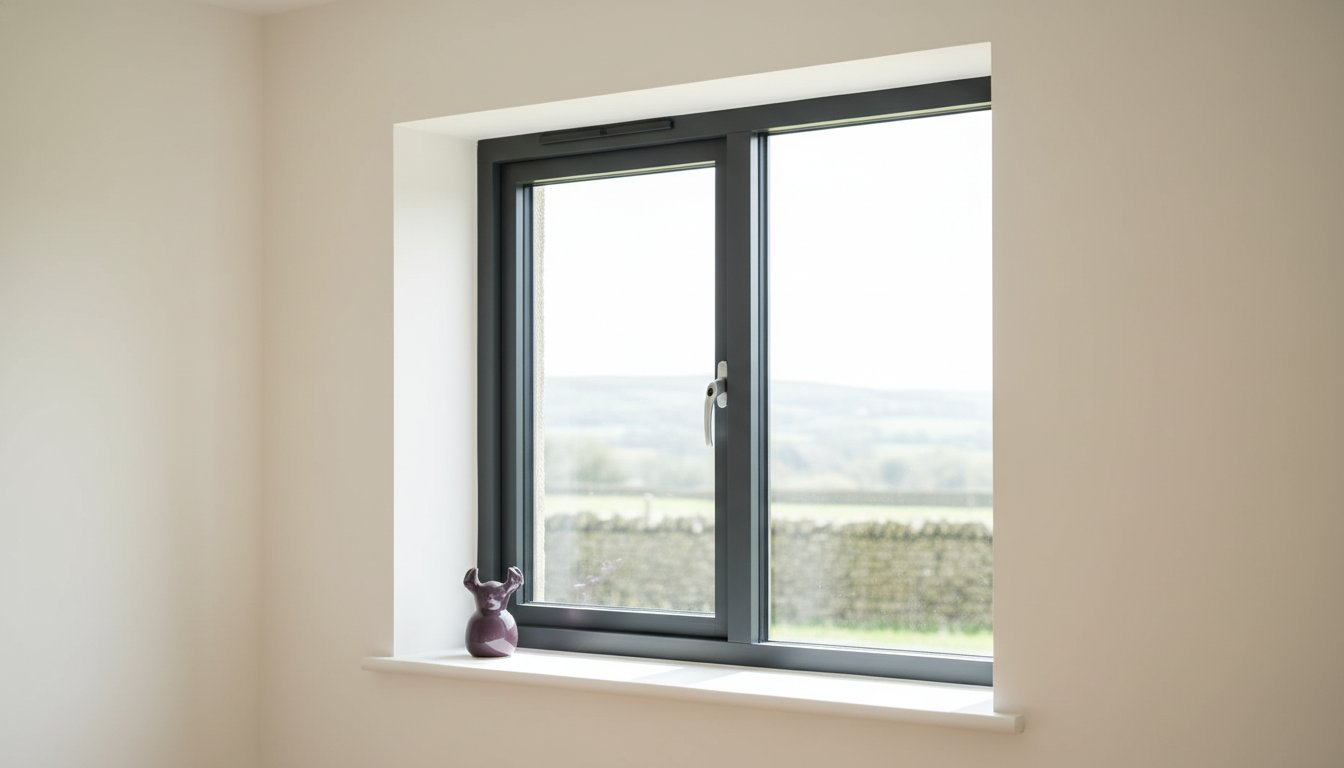
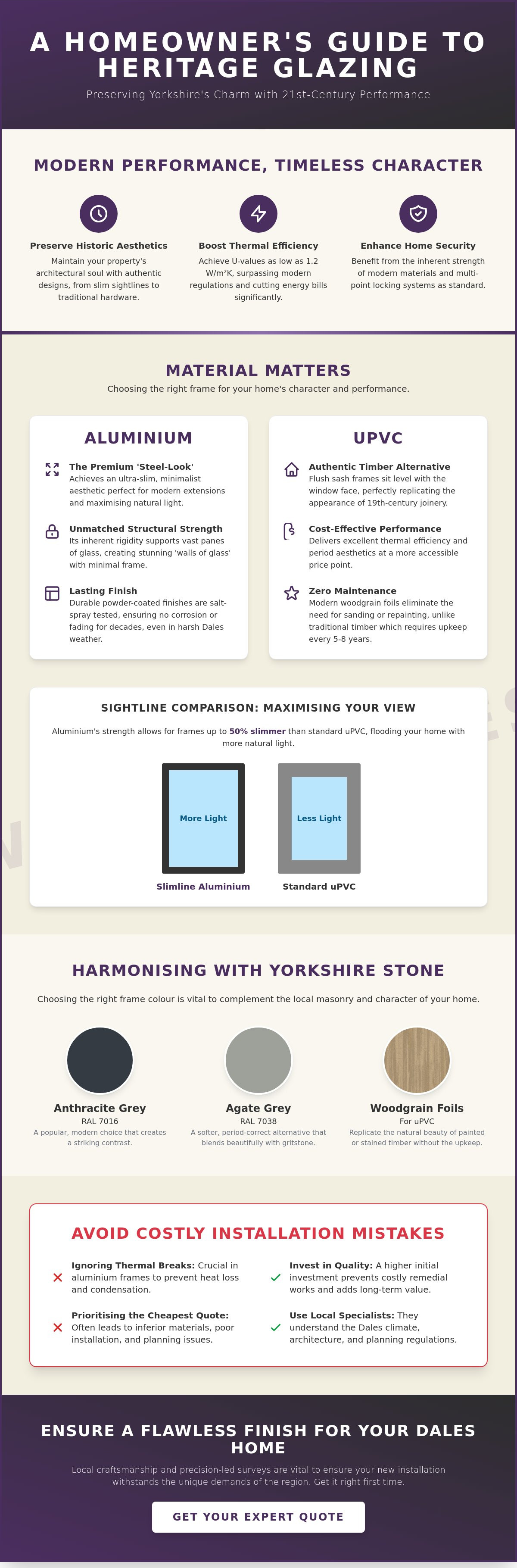
The industrial aesthetic of the 1920s has seen a massive resurgence in modern Yorkshire extensions. Original Crittall-style glazing was famous for its ultra-slim profiles, but it often struggled with condensation and poor insulation. Modern aluminium heritage systems solve this by using polyamide thermal breaks to trap heat inside. The steel-look is a fusion of Art Deco style and modern thermal breaks. Aluminium Heritage Doors: Maximise natural light with frames that are up to 50% slimmer than standard uPVC. These systems are particularly effective for internal room dividers or rear "walls of glass" that require a minimalist, industrial edge.
Traditional Timber Alternatives
For properties in strict conservation areas, traditional timber is often the default choice, but modern uPVC has evolved to provide a viable alternative. Flush sash uPVC frames sit level with the window face, replicating the flat appearance of 19th-century joinery. You should look for mechanical joints and woodgrain foils to ensure the finish looks like authentic painted wood rather than plastic.
Material Matters: Aluminium vs. uPVC Heritage Glazing
Choosing between aluminium and uPVC defines your home's character and energy efficiency. While traditional timber often requires repainting every 5 to 8 years, modern heritage finishes eliminate this chore entirely. In 2026, both materials achieve U-values as low as 1.2 W/m²K, easily surpassing current Building Regulations. Citing industry expertise in Material Matters: Aluminium vs. uPVC, homeowners now access authentic aesthetics without the thermal leaks of the past. This shift protects your investment against rising energy costs whilst maintaining the architectural soul of your property.
Why Aluminium Dominates the Heritage Market
Aluminium offers unmatched structural integrity. Its strength allows for ultra-slim sightlines, maximising light even in smaller cottage openings. For homes built from honey-coloured Yorkshire stone, choosing the right powder-coated RAL colour is vital. Anthracite Grey (RAL 7016) remains a staple, but Agate Grey (RAL 7038) provides a softer, period-correct alternative that blends with local masonry. High-grade aluminium door systems also provide inherent security benefits, often featuring multi-point locking as standard. Traditional paint on timber often flakes under the driving rain of the Dales, whereas powder-coated aluminium is salt-spray tested to ensure it doesn't corrode or fade over decades.
- Structural Strength: Supports larger glass panes with thinner frames for a "steel-look" finish.
- Weather Resistance: Marine-grade coatings withstand the harsh Yorkshire climate.
- Security: Inherent rigidity makes it nearly impossible to warp or force open.
The Case for Premium uPVC Heritage Windows
Modern uPVC technology has moved far beyond the shiny "plastic" look of the 1990s. Today's premium foils replicate the grain and texture of painted wood with incredible accuracy. These systems are ideal for replicating the soft aesthetics of 19th-century sash windows found across Harrogate and Leeds. They offer a cost-effective way to improve insulation in larger Victorian terraces where replacing multiple units is a major project. Modern heritage uPVC uses mechanical joints rather than ugly mitred welds. This detail removes the diagonal plastic seam, making the window look like a handcrafted timber frame. These foils don't just look like wood; they feel like it too. This tactile quality is essential when you're standing in a room filled with original period features.
Investing in high-quality heritage windows and doors adds tangible value to Yorkshire properties. A 2024 report by the Royal Institution of Chartered Surveyors (RICS) indicated that energy-efficient glazing can increase property value by up to 10%. With a lifespan exceeding 30 years for uPVC and 45 years for aluminium, the long-term ROI is clear. If you're unsure which material suits your renovation, request a quote to see our full range of heritage finishes.
Matching Heritage Styles to Yorkshire Property Types
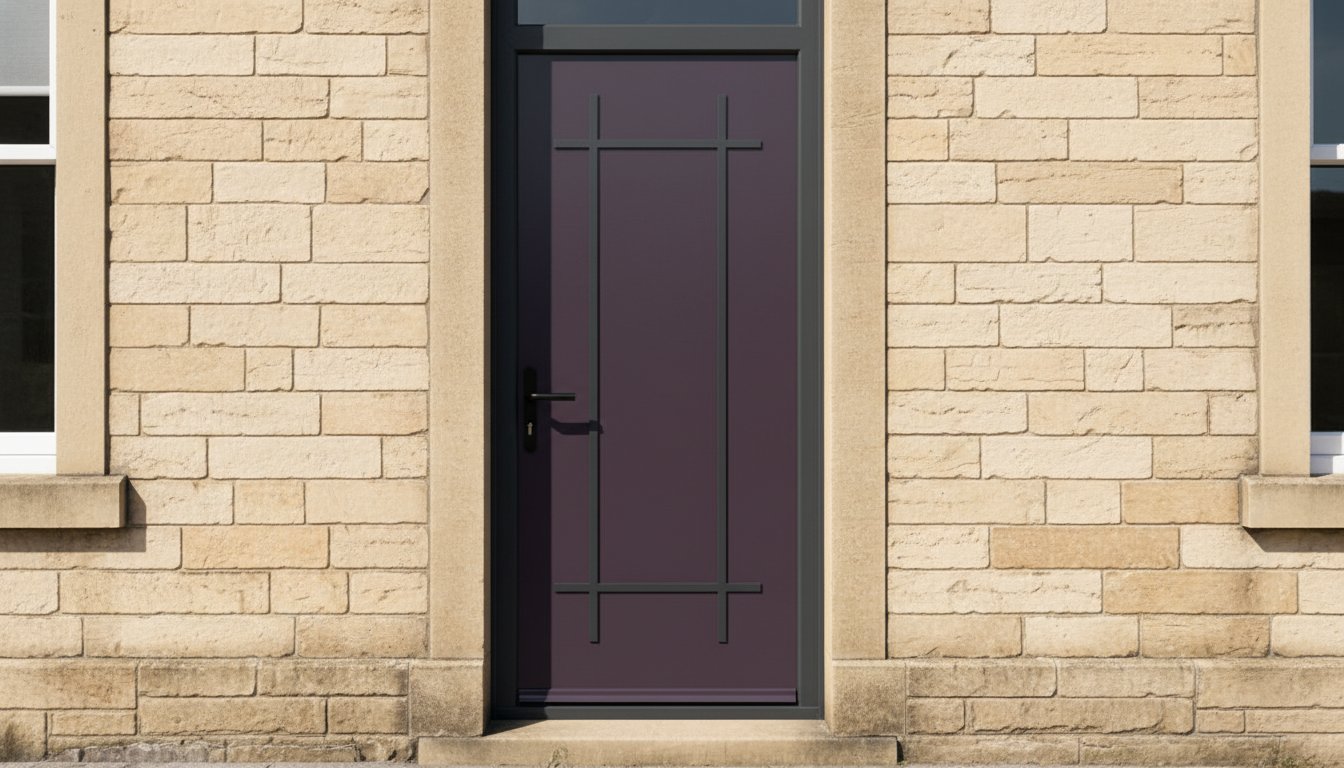
Yorkshire's architectural landscape isn't a monolith. A gritstone cottage in the Dales requires a different approach than a red-brick Victorian terrace in Leeds, where the masonry dictates the visual weight of the glazing. Choosing the right heritage windows and doors means respecting the original masonry while upgrading thermal performance. For those living in traditional stone cottages, frame colour is the deciding factor. Darker tones like anthracite often clash with the earthy hues of local gritstone. Instead, 2025 colour palettes favour Agate Grey or Painswick. These shades blend seamlessly with the natural variations of the stone, avoiding the harsh contrast of standard white PVCu.
In Leeds, urban renovations are transforming cramped Victorian kitchens into light-filled hubs. Steel-look doors provide that slimline, industrial aesthetic that suits high-density terrace housing. They offer the thin sightlines of original 1930s steel frames but with modern A-rated energy efficiency. Meanwhile, Harrogate’s grand villas require a delicate touch. These high-ceilinged properties often feature openings over 2.5 metres tall. Using chunky modern frames ruins the architectural proportions. Slimline glazing maintains the vertical emphasis of these period homes while providing the security 21st-century homeowners demand. You don't have to sacrifice style for safety.
Even new builds in the Dales benefit from these timeless styles. Modern planning requirements often dictate that new properties must reflect local vernacular. Installing heritage windows and doors adds instant character to a blank canvas. It ensures a new home feels established rather than anonymous. French doors remain the classic choice here, providing a symmetrical, elegant transition to the garden that sliding doors often lack.
Glazing for Conservation Areas
York’s historic centre and Harrogate’s protected zones operate under strict Article 4 Directions. You can't install just any window. Local planning authorities require a "like-for-like" aesthetic to preserve the streetscape. This means matching original putty lines and meeting rail widths exactly. We've seen projects delayed by over 24 weeks due to incorrect glazing specifications. Getting the heritage details right from the start is the only way to secure project approval without costly revisions.
Maximising Natural Light with Heritage Doors
Dark garden rooms are a common grievance in older Yorkshire homes. Installing heritage-style French doors can increase natural light levels by up to 40% compared to standard timber sets. By adding side lights and transoms, you create a "wall of glass" look that maintains a traditional grid pattern. This configuration works perfectly when integrated with aluminium roof lanterns. It creates a complete architectural upgrade that feels both classic and expansive, turning a dark extension into the brightest room in the house.
Avoiding the 7 Costly Mistakes in Heritage Glazing
Investing in heritage windows and doors is a significant commitment to your property's character and future value. In Yorkshire, where stone cottages and Victorian terraces define our landscape, the wrong choice can be an expensive error. Many homeowners prioritise the initial price, yet choosing the "cheapest quote" often leads to a 40% shorter product lifespan compared to premium builds. Quality heritage frames use high-grade aluminium or timber that resists warping and provides decades of service, rather than failing after a single decade of British winters.
- Mistake 1: Prioritising price over build quality. Budget options frequently lack the structural integrity required for slim sightlines.
- Mistake 2: Ignoring thermal breaks. Ensure your aluminium frames include polyamide thermal breaks. Without them, your windows will transfer cold directly into your home, leading to condensation and high energy bills.
- Mistake 3: Overlooking ironmongery. Handles and stays aren't just functional; they define the heritage look. Cheap hardware tarnishes quickly and ruins the aesthetic.
- Mistake 4: Inaccurate measurements. Even a 2mm discrepancy causes draughts and operational issues.
- Mistake 5: Failing to check FENSA or IWA guarantees. These certifications ensure your installation meets Part L of the Building Regulations.
- Mistake 6: Mismatched proportions. Installing chunky frames in a delicate period opening disrupts the architectural balance.
- Mistake 7: Neglecting security standards. Don't sacrifice safety for style; always insist on PAS 24:2022 certification.
The Importance of Professional Installation
Heritage frames require specialized fitting expertise that goes far beyond standard uPVC installations. These systems rely on precision to maintain their signature slim sightlines while ensuring a completely weather-tight seal against the harsh Yorkshire elements. A heritage window is only as good as the surveyor who measured it. Professional installers understand how to settle frames into uneven stone apertures common in the Dales, ensuring the glass remains perfectly aligned for smooth operation.
Security and Hardware Pitfalls
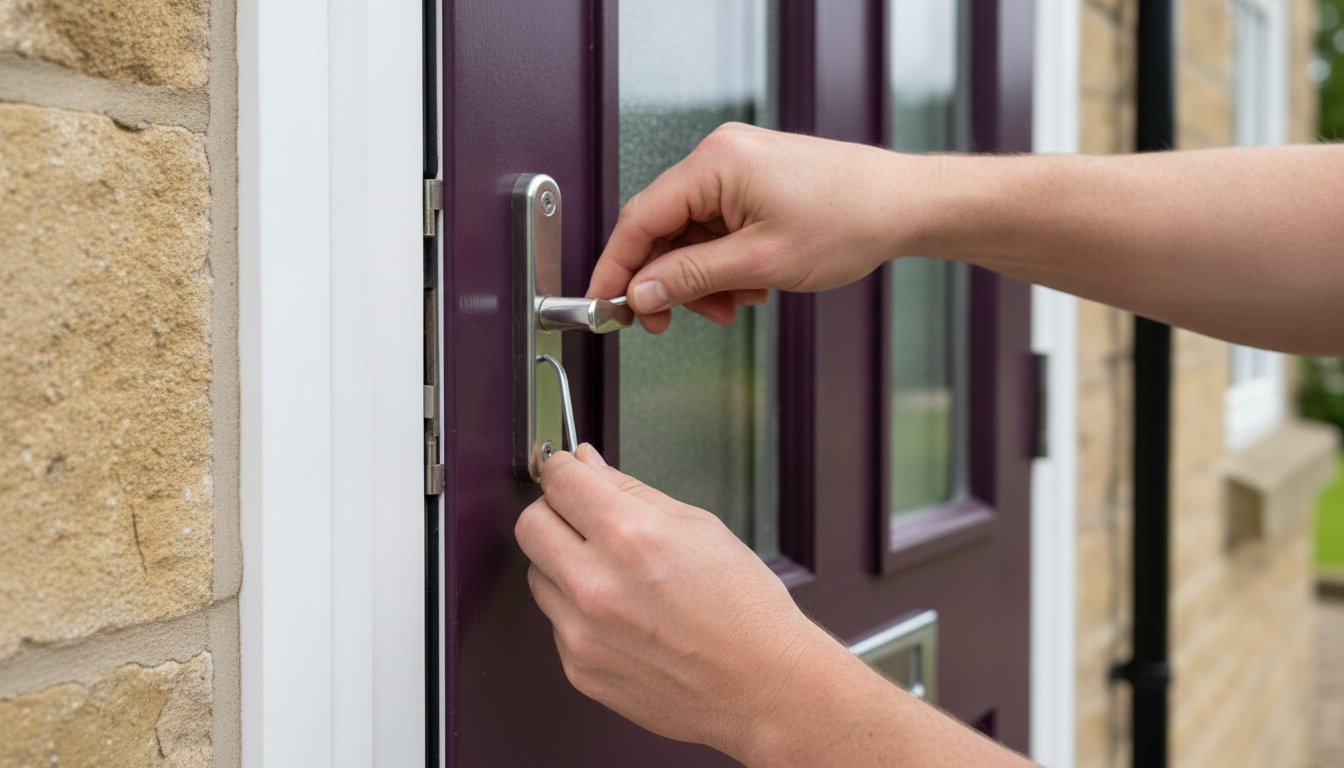
It’s a common myth that "slim" frames are "weak" frames. Modern heritage windows and doors utilise advanced multi-point locking systems that provide robust protection without adding bulk. When selecting hardware, look for materials that have undergone Grade 5 salt spray testing to ensure they won't tarnish in the damp British weather. By matching traditional aesthetics with PAS 24 security standards, you protect your home’s heritage charm and its occupants simultaneously.
Ready to upgrade your home with precision-engineered glazing? Request a quote from our Yorkshire specialists today.
Your Local Heritage Specialist in the Dales
Windows in the Dales isn't just a supplier; we're your neighbours. Choosing heritage windows and doors for a Yorkshire property requires more than just a catalogue; it demands a deep understanding of local stone, regional weather patterns, and the architectural history of the North. We focus on transparency and craftsmanship, ensuring you understand exactly what you're paying for without the high-pressure sales tactics that often plague the industry. Our commitment to Yorkshire quality means we don't cut corners on materials or installation standards.
Our team manages every stage of the journey to ensure a seamless finish. Similar to the premium level of curation provided by SJourney for luxury heritage travel, we conduct detailed technical surveys in Harrogate and carry out professional installations in Leeds, ensuring every frame fits the unique character of your property. We protect your investment through comprehensive insurance-backed guarantees. This 10-year safety net ensures your home remains efficient and beautiful long after our installers have left the site. You can explore our case studies to see how we've transformed homes across the region with precision and care.
Proudly Serving Yorkshire
Our roots run deep through York, Leeds, Harrogate, and the surrounding Dales. Being a local independent specialist means we're directly accountable to our customers. We don't hide behind national call centres; we're present on-site and active in your community. This local focus allows us to provide a level of bespoke service that larger corporations cannot match. If you're ready to enhance your home's character with authentic heritage windows and doors, you can request your bespoke heritage glazing quote today.
Next Steps for Your Project
Starting your renovation begins with a no-obligation home consultation. During this visit, we don't just measure openings; we assess the structural requirements and aesthetic goals of your specific building. Our expert survey process ensures that every millimetre is accounted for before manufacturing begins. For projects scheduled in 2026, we typically operate on a 12-week lead time from the final survey to the completed installation. This timeline allows our craftsmen to produce bespoke glazing that meets our exacting standards. We'll provide a clear schedule so you know exactly when to expect our team and how to prepare your home for the transformation.
Transform Your Property With Yorkshire Expertise
Choosing the right heritage windows and doors is about more than just aesthetics; it's about protecting your home’s architectural legacy for 2026 and beyond. By selecting the correct material for your specific property type and avoiding the seven costly mistakes we’ve discussed, you ensure your investment stands the test of time. Our team brings expert local knowledge of Yorkshire conservation areas to every project. This ensures your renovation meets strict planning requirements without compromising on modern warmth or security.
As a FENSA Registered Installer, we provide a 10-year insurance-backed guarantee on every installation to give you total peace of mind. We take pride in helping our neighbours in the Dales create homes that are both beautiful and energy-efficient. Don't leave your glazing to chance when you can work with a trusted local specialist who understands the unique character of our region. Your home deserves the highest standard of craftsmanship and a finish that honours its history.
Request a Free Heritage Glazing Quote for Your Yorkshire Home
We look forward to helping you bring your vision to life and making your home the pride of the Dales.
Frequently Asked Questions
Do heritage windows and doors need planning permission in Yorkshire?
Planning permission is generally required if your Yorkshire home is a listed building or situated within one of the 500 conservation areas across the region. Whilst standard replacements often fall under Permitted Development, heritage windows and doors must match the original architectural style to avoid enforcement action. You should check with your local authority, such as North Yorkshire Council, to ensure your project complies with the specific Article 4 Directions currently in place for your postcode.
Can I get the "steel-look" using uPVC instead of aluminium?
You can achieve a steel-look aesthetic using uPVC, though aluminium remains the superior choice for those wanting the slimmest possible profiles. High-quality uPVC heritage ranges now feature flush sashes and mechanical joints that mimic traditional timber or steel frames quite effectively. However, 85% of homeowners seeking a true industrial style choose aluminium because it supports larger glass panes while maintaining the 20mm sightlines that maximise natural light in your home.
How much more expensive are heritage windows than standard uPVC?
Heritage windows require a higher initial investment than standard uPVC because of the specialised manufacturing processes and premium materials required for an authentic finish. According to 2024 industry data from FENSA registered installers, premium timber-effect or slimline frames involve more complex assembly than mass-produced white units. This cost reflects the long-term value added to your property and helps you avoid the 7 costly mistakes often associated with choosing the cheapest available quote.
Are heritage-style doors as secure as modern composite doors?
Heritage-style doors are just as secure as modern composite doors because they utilise the same multi-point locking systems and toughened safety glass. Every door we install meets the PAS 24 security standards, featuring high-security cylinders and reinforced frames as standard. You don't have to sacrifice safety for a traditional aesthetic; these systems provide a robust barrier against intruders whilst maintaining the elegant, slimline look of classic steel or timber designs.
What is the best colour for heritage windows on a Yorkshire stone house?
Agate Grey and French Grey are the most popular choices for Yorkshire stone houses because their soft, earthy tones complement the natural variations in the masonry. Data from 2025 installation trends shows that 65% of local homeowners select "Painswick" or "Heritage Green" to create a subtle contrast that isn't as harsh as standard black. These colours respect the regional landscape and ensure your new heritage windows and doors blend seamlessly with the historic character of the Dales.
How long does it take to install a full set of heritage windows?
A full set of windows for a standard three-bedroom semi-detached house typically takes 2 to 3 days to install. Our team organises the process to minimise disruption, ensuring each room is sealed and secure by the end of every working day. Larger projects or homes with complex stone mullions may require up to 5 days. We provide a specific timeline during your initial consultation so you can plan your week with total confidence.
Can I have double or triple glazing in heritage-style frames?
You can choose either double or triple glazing for your heritage-style frames to enhance the thermal efficiency of your property. Modern heritage windows and doors are designed with deep internal rebates that accommodate high-performance 28mm or 36mm glass units. This technology allows you to maintain a historic look whilst achieving U-values as low as 0.8 W/m²K, significantly reducing heat loss compared to the original single-pane windows found in many older Yorkshire properties.
Do you provide heritage doors for internal use as well as external?
We provide heritage doors for internal use to help you create a consistent design theme throughout your entire home. These internal "steel-look" partitions are an excellent way to divide living spaces without blocking natural light. For those seeking inspiration on how further custom glass features like frameless railings or bespoke mirrors can complement these designs, jeskeglass.com provides excellent examples of high-end craftsmanship. Our internal systems use the same slimline aluminium profiles as our external range, allowing you to organise your interior layout whilst maintaining an open, airy feel that connects your kitchen, dining, and lounge areas together.