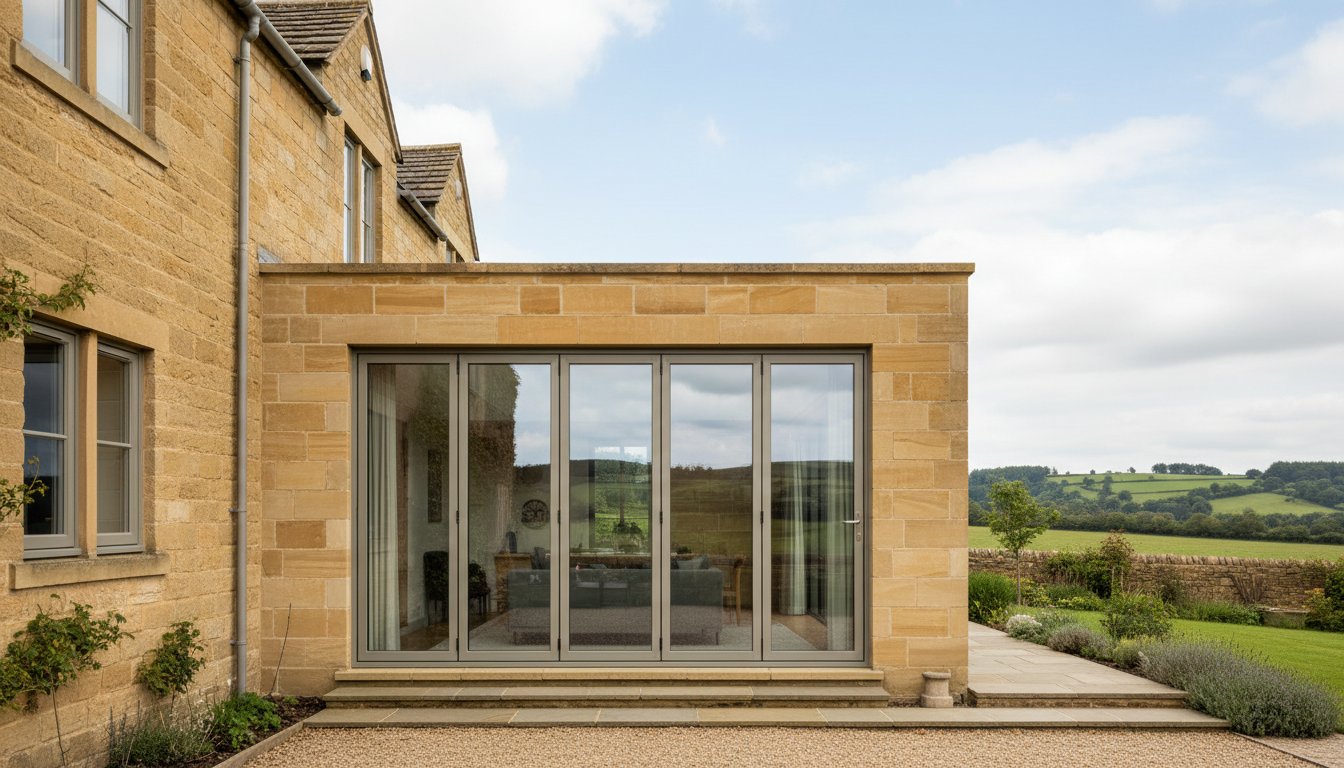
Choosing the most popular grey on the market could be the quickest way to devalue your Yorkshire stone property. You've likely noticed how many homes are falling into the "Anthracite Trap", where a single shade of dark grey is applied to every building regardless of its unique character. It's understandable to worry that modern aluminium windows might look stark or "cheap" against the organic, honeyed hues of local limestone. Selecting The Best Grey Tones for Aluminium Windows to Complement Yorkshire Limestone requires a deep understanding of the specific geological undertones found across our region. We agree that your home deserves a finish that feels bespoke rather than mass-produced.
This guide identifies the specific RAL codes that protect your investment and enhance your property's heritage. You'll discover the perfect architectural tones to avoid common design pitfalls that lead to a dated appearance. We explore the shift toward softer 2026 palettes and explain how to align with the March 2026 Yorkshire Dales National Park Design Guide. We provide the clarity you need to choose between cool and warm tones, ensuring your new windows deliver a high-end, timeless aesthetic. Learn how to balance modern slimline frames with traditional masonry to create a home that truly belongs in the Yorkshire landscape.
Key Takeaways
- Learn why the unique mineral composition of local masonry means standard shades often fail to harmonise with your home's natural honey and buff undertones.
- Discover The Best Grey Tones for Aluminium Windows to Complement Yorkshire Limestone in 2026, moving beyond common Anthracite toward sophisticated earth-toned greys.
- Understand why professional aluminium powder coating offers superior durability and colour retention against challenging Yorkshire weather compared to standard uPVC alternatives.
- Master the design framework for matching specific RAL codes to your stone's "temperature" to ensure a high-end, bespoke architectural finish.
- Explore the benefits of dual-colour frames to maintain a bright, contemporary interior whilst achieving a sympathetic, traditional aesthetic on your property's exterior.
Why Yorkshire Limestone Requires a Bespoke Colour Strategy
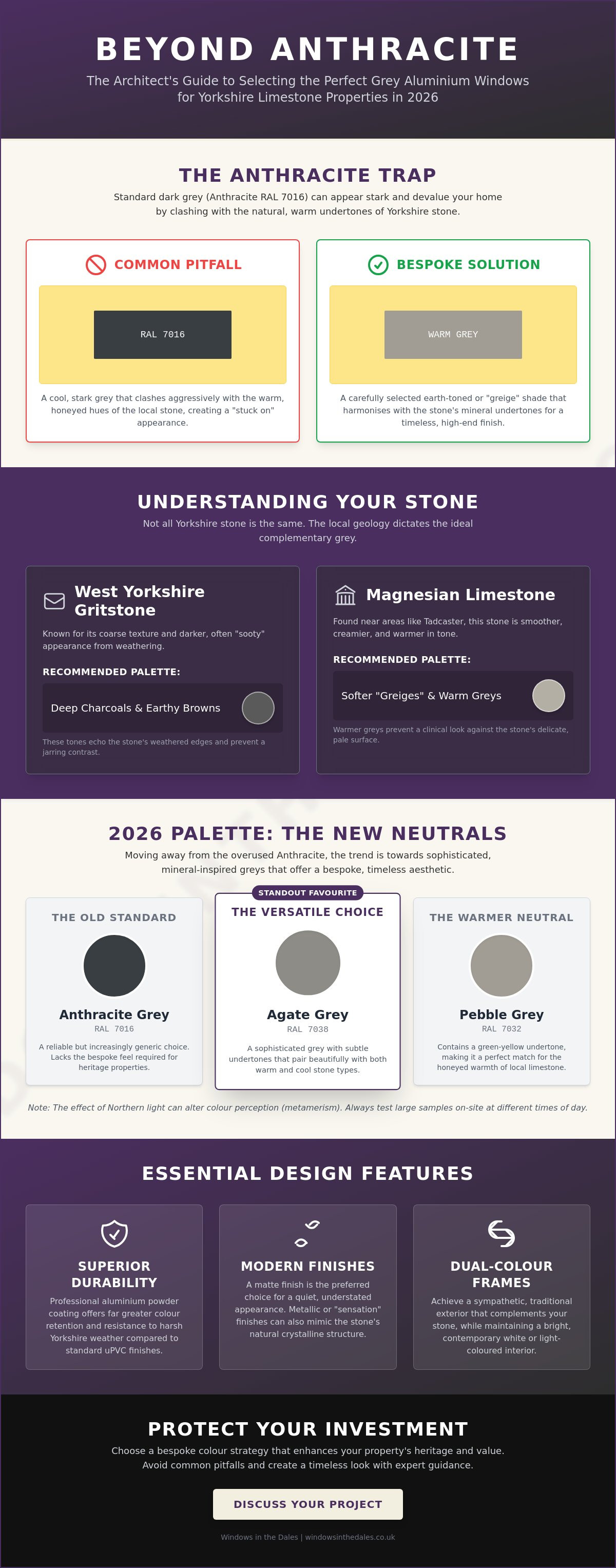
Yorkshire's architectural identity is forged from its unique geology. Our local stone isn't a static material; it's a complex blend of minerals that shifts in appearance based on moisture and light. Choosing The Best Grey Tones for Aluminium Windows to Complement Yorkshire Limestone requires more than a cursory glance at a colour swatch. Standard "off-the-shelf" greys often carry blue or purple undertones that clash aggressively with the natural honey and buff hues of our region's masonry. In 2026, we're seeing a decisive move away from these stark, high-contrast installations. Discerning homeowners now prioritise sympathetic blending, ensuring their aluminium windows feel like a deliberate extension of the landscape rather than a modern afterthought.
Understanding Gritstone vs Magnesian Limestone
Not all Yorkshire stone is created equal. The rugged West Yorkshire gritstone, known for its "sooty" patina and coarse texture, demands a different approach than the creamy Magnesian limestone found near Tadcaster. When you examine Yorkshire limestone characteristics, you'll see a spectrum of buff, silver, and ochre. For the darker, more porous gritstone, we often recommend deeper charcoals that echo the stone's weathered edges. Conversely, the smoother, warmer Magnesian limestone requires softer, "greige" tones. These warmer greys prevent the windows from looking too clinical against the stone's delicate, pale surface. Failing to account for this geological distinction is a primary reason why some high-end projects fail to achieve a cohesive look.
The Impact of Yorkshire Light on Grey Pigments
The light levels in the North of England are famously temperamental. Our northern sun sits lower in the sky, casting a cooler, bluer light than what you'll find in the South. This environmental factor triggers metamerism, a phenomenon where the same grey pigment looks completely different under varying light sources. A shade like "Slate Grey" might look perfectly neutral in a showroom, but it can appear surprisingly blue in the crisp morning light of the Dales. We always advise testing large-scale samples against your stone at different times of the day. This protective step ensures you don't invest in frames that turn an unintended shade of violet during a typical overcast Yorkshire afternoon. By selecting a grey with a slight yellow or brown base, you can neutralise the cool northern light and maintain a sophisticated, grounded aesthetic year-round.
Trending Grey Tones for 2026: Moving Beyond Standard Anthracite
Anthracite Grey (RAL 7016) has dominated the architectural landscape for over a decade. It's effectively become the "new white" of the 2020s. While it remains a reliable choice, many homeowners now feel it's a safe, almost generic option that lacks the bespoke feel a heritage property deserves. As we move into 2026, the trend is shifting toward mineral-inspired, organic tones. We're observing a significant rise in "Greige" and earth-toned greys. These shades provide a softer transition against natural masonry, ensuring you find The Best Grey Tones for Aluminium Windows to Complement Yorkshire Limestone without falling into the "Anthracite Trap".
Texture is just as important as the pigment itself. A matte finish is currently the preferred choice for aluminium windows because it absorbs light rather than reflecting it. This creates a quiet, understated appearance that feels grounded. For those seeking more depth, metallic or "sensation" finishes can mimic the natural crystalline structure found within the stone. When you're comparing shades, it's essential to use the official RAL colour standards. This ensures that your frames, handles, and even your uPVC windows or doors match perfectly across different manufacturing batches.
Warmer Neutrals: Agate Grey and Pebble Grey
Agate Grey (RAL 7032) is a standout favourite for 2026. It contains a subtle green-yellow undertone that pairs effortlessly with the honeyed warmth of local limestone. Pebble Grey offers a similar bridge between traditional and modern aesthetics. These lighter tones are particularly effective at reducing the "visual weight" of your window frames. Instead of creating a heavy dark outline around your views, these warmer neutrals allow the slimline aluminium profiles to recede into the stone. This makes the glass aperture appear larger and maximizes the sense of natural light within your home.
Sophisticated Classics: French Grey and Silver Grey
For high-end renovations in Harrogate and York, French Grey is the premier choice for a heritage-sensitive look. It's a mid-tone grey that feels historically authentic whilst offering the sleek performance of modern aluminium. If your property leans toward an industrial or contemporary style, Silver Grey (RAL 7001) provides a clean, crisp finish. It mimics the look of traditional lead-work, which is a common feature in historic Yorkshire architecture. Choosing these lighter exterior shades also simplifies your interior design. They're far less intrusive than dark frames, giving you more freedom with your indoor paint colours and furnishings. If you want to see how these tones look against your specific stone type, you can request a quote to begin your design consultation.
Technical Considerations: Durability amongst the Yorkshire Elements
Yorkshire's weather is notoriously demanding. From the wind-swept heights of the Dales to the urban centres of Leeds and York, your window frames face a constant barrage of environmental stress. Whilst uPVC remains a popular budget choice, its colour longevity simply cannot compete with the high-performance powder coating found on aluminium. Unlike uPVC foils which can peel or bubble over time, aluminium powder coating is thermally bonded to the metal. This industrial process ensures that The Best Grey Tones for Aluminium Windows to Complement Yorkshire Limestone remain vibrant and true for decades, even when exposed to the abrasive nature of limestone dust.
Darker greys are particularly susceptible to thermal absorption. On a sunny Yorkshire afternoon, a dark frame can reach temperatures significantly higher than the ambient air. This leads to thermal expansion. We mitigate this risk by using advanced profiles with polyamide thermal breaks. These breaks separate the inner and outer layers of the frame, preventing the metal from warping and protecting the integrity of your seals. Investing in quality materials now prevents the financial risk of premature replacement later.
Marine-Grade Powder Coating and UV Resistance
If your property sits in an exposed location or near industrial centres, standard finishes might not be enough. Marine-grade powder coating provides an extra layer of protection against corrosion. This is vital for homes built with local stone, as limestone can release fine particles that act as a mild abrasive when caught in the wind. We recommend looking for Qualicoat standards in any professional installation. A matte finish is often the wisest choice for these environments. It effectively masks minor surface scratches and holds its appearance better than high-gloss options, which tend to show every water spot and speck of dust.
Thermal Breaks and Frame Stability
Modern aluminium windows are engineered to provide exceptional thermal efficiency, often achieving U-values between 1.4 W/m²K and 1.6 W/m²K. By incorporating a thermal break, manufacturers ensure that cold air stays out and heat stays in. This is crucial for dark grey frames on south-facing stone elevations. Without these engineering safeguards, the constant expansion and contraction of the metal could compromise the hardware and glazing units. Quality aluminium systems are designed to accommodate this movement without losing their structural performance. Regular maintenance is minimal. A simple wipe down with soapy water every few months is usually enough to remove salt deposits and pollutants, keeping your bespoke grey tones looking as fresh as the day they were installed.
Design Framework: Matching Grey Tones to Your Stone Type
Achieving a high-end look depends on understanding the "temperature" of your masonry. Whilst previous sections highlighted the geological differences in Yorkshire stone, this design framework focuses on the visual interaction between the frame and the wall. We always recommend the "Three-Metre Rule" for testing colour samples. View your RAL swatches from at least three metres away against the masonry in natural daylight. This distance mimics how the property is actually viewed from the street or garden. It prevents you from becoming over-focused on minute pigment details that disappear once the installation is complete. Don't forget the mortar. The colour of your mortar should heavily influence your choice of The Best Grey Tones for Aluminium Windows to Complement Yorkshire Limestone.
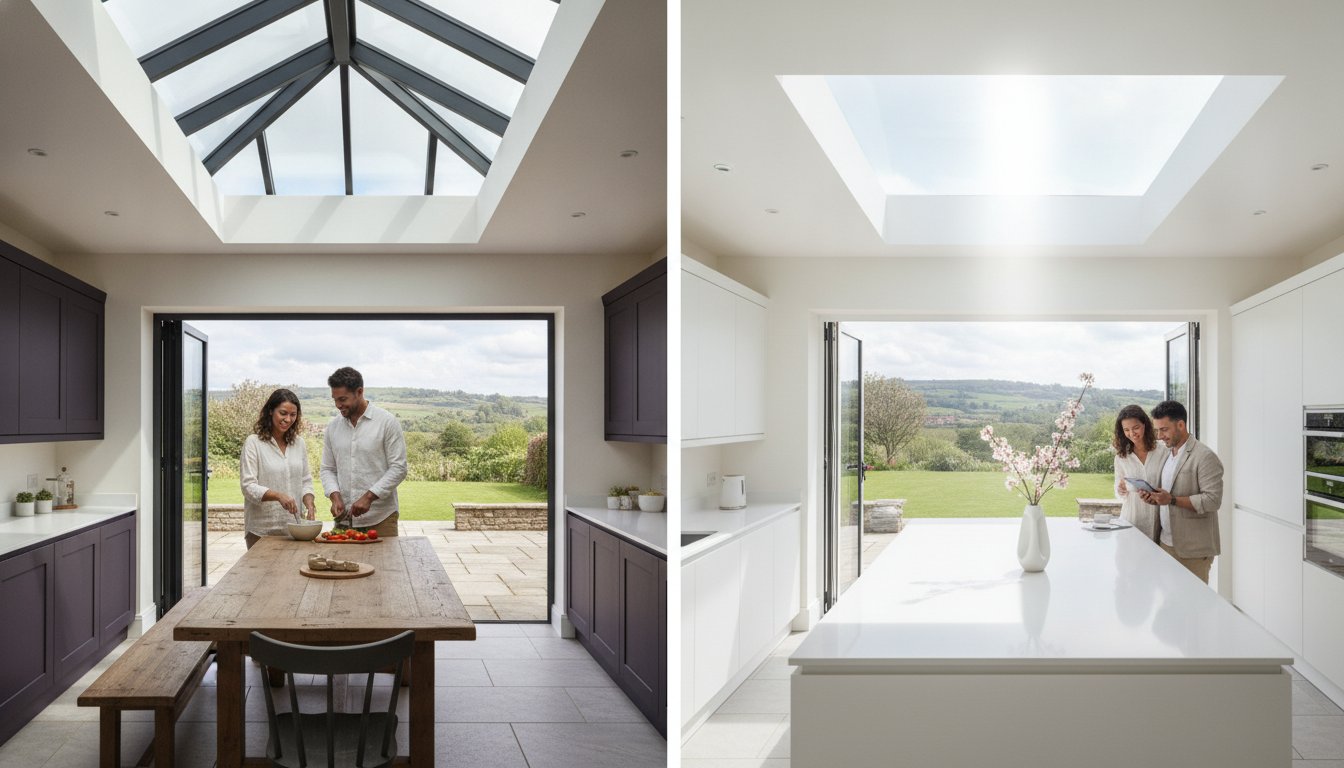
Dual-colour frames are a strategic choice for modern living. You can select a sophisticated dark grey for the exterior to match the stone whilst maintaining a crisp, white interior. This ensures your home remains bright and airy inside, regardless of how bold you choose to be with the external palette. It's a practical way to ensure your external aesthetic doesn't dictate your internal decor or clash with your favourite furniture. This bespoke approach allows for a contemporary exterior that respects the traditional Yorkshire landscape.
The "Sussing the Stone" Test
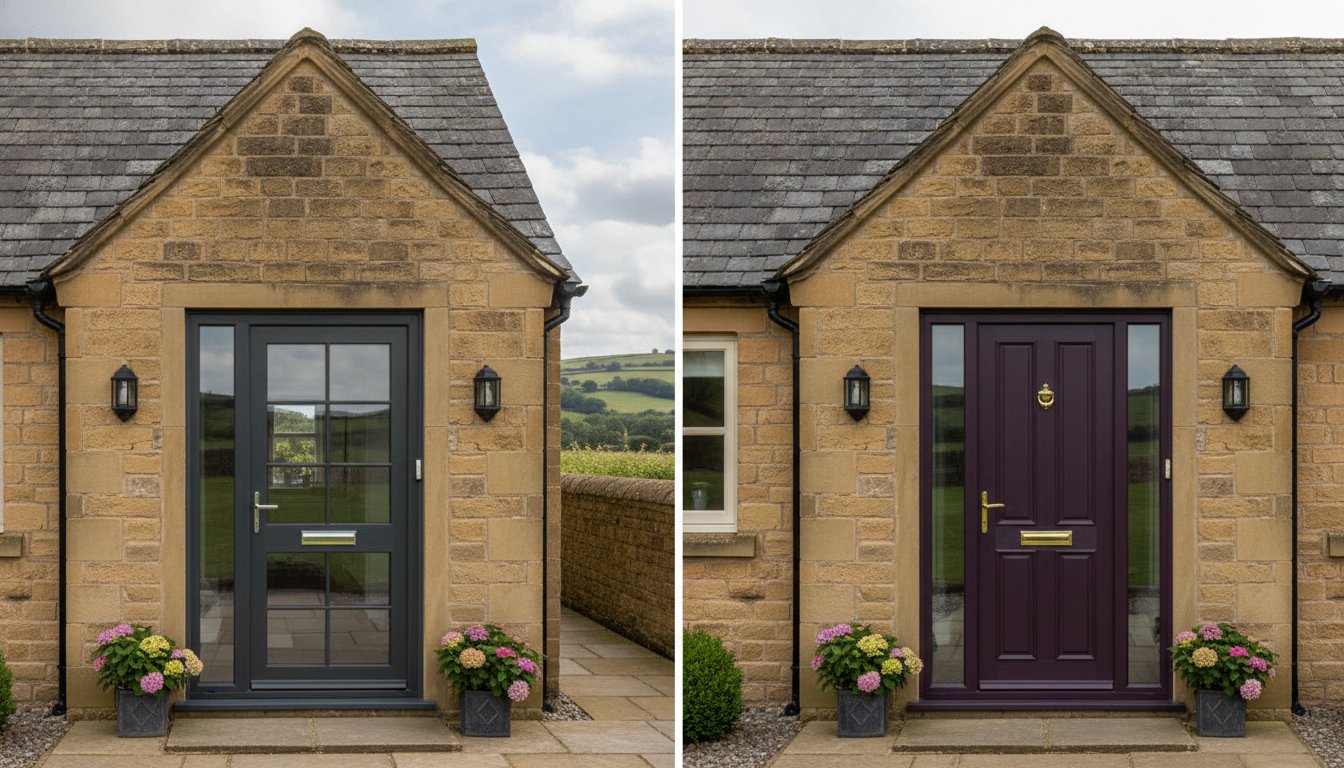
Identify the primary and secondary tones in your limestone walls. Most successful projects match the window frame to the "shadow" tone of the stone. This is the darkest shade found within the stone's natural crevices or weathered edges. Using this as your base creates a low-contrast, seamless appearance that feels historically authentic. If you prefer a more contemporary statement, a high-contrast approach works well. Pairing a dark charcoal frame against pale, creamy limestone provides a sharp, architectural edge that highlights the slimness of the aluminium profile.
Complementing Heritage Features
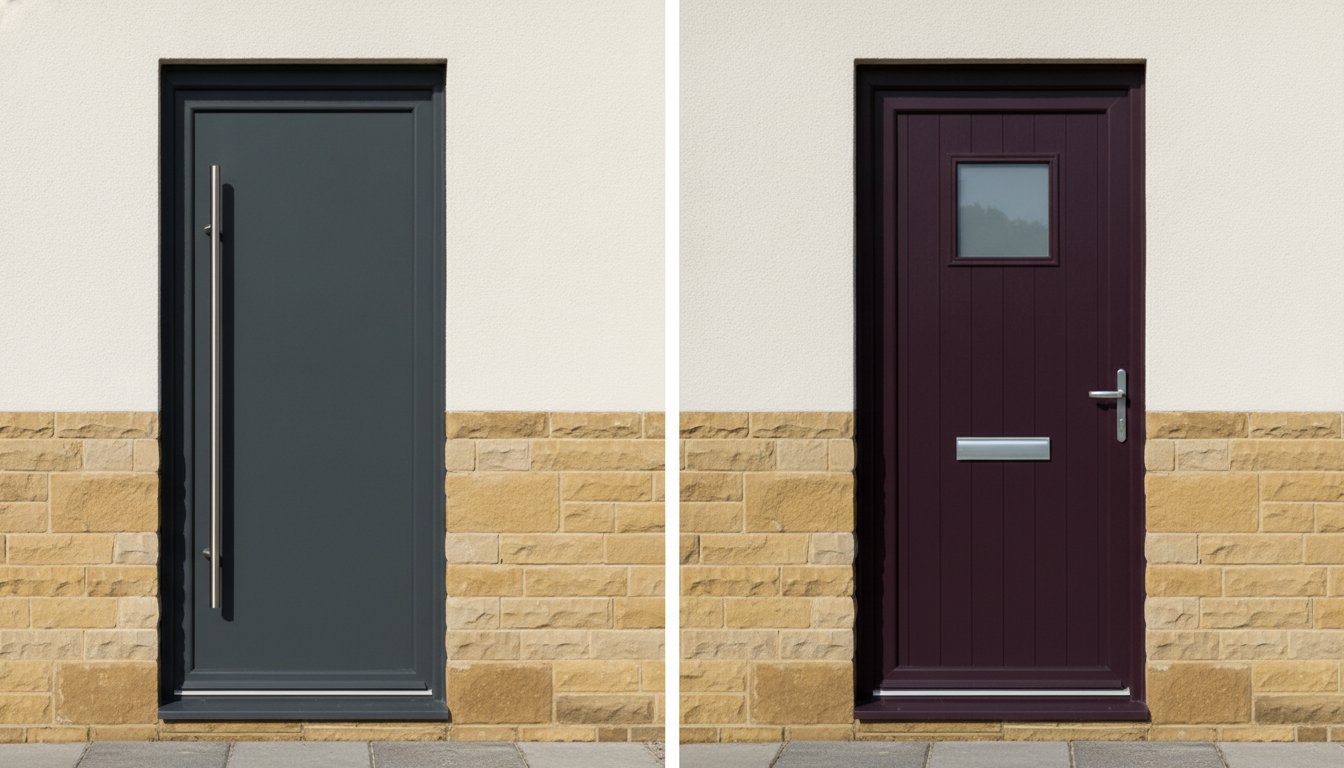
Traditional Yorkshire homes often feature structural stone mullions and transoms. These elements are beautifully framed by slimline aluminium profiles that don't crowd the masonry. Our Heritage Doors can be precision colour-matched to your windows, ensuring a unified look across the entire facade. You can even incorporate Georgian bars or leaded glass into modern grey frames to bridge the gap between contemporary performance and historic charm. This creates a bespoke look that respects the local vernacular whilst providing 2026 levels of thermal efficiency. See how we've transformed similar properties in our local case studies.
The Windows in the Dales Signature Approach
Expertise in regional architecture is the foundation of our work. We don't just sell products; we provide a consultancy service that protects your home's character and your financial investment. Our team understands that finding The Best Grey Tones for Aluminium Windows to Complement Yorkshire Limestone is a nuanced process that requires seeing the materials in situ. We prioritise local craftsmanship and professional installation to ensure every project meets our rigorous standards for aesthetic and functional excellence. You can see our completed installations across Harrogate, York, and Leeds, where our windows and doors have redefined the concept of sympathetic renovation.
Moving from inspiration to installation requires a structured, logical approach. A tailored technical survey allows us to assess the specific structural needs of your property whilst considering the visual impact of your chosen palette. We guide you through the selection of slimline frames and high-performance glazing, ensuring your home benefits from maximum natural light and 2026 thermal standards. Our commitment to transparency means we'll always be honest about which RAL codes will work for your stone and which might lead to a costly design error.
Local Case Studies: Stone and Grey Pairings
Seeing real-world applications is often the best way to gain confidence in your choice. We recently completed a project in Harrogate where Agate Grey (RAL 7032) was paired with traditional buff limestone. The result was a soft, sophisticated finish that enhanced the stone's natural warmth without the harshness of darker charcoals. In contrast, a gritstone barn conversion in the Dales required a more grounded approach. We utilised Slate Grey to echo the deeper, sootier tones of the weathered masonry. These projects demonstrate our ability to adapt modern aluminium systems to diverse architectural heritage. Check out our case studies for more regional inspiration.
Request Your Bespoke Colour Consultation
Your journey toward a transformed living space begins with a Windows in the Dales site visit. We bring physical RAL sample swatches directly to your property. This allows you to test pigments against your specific masonry under the unique light conditions of your garden. You'll see exactly how The Best Grey Tones for Aluminium Windows to Complement Yorkshire Limestone behave at different times of the day before you commit to a final order. Request a quote today to organise your bespoke consultation and take the first step toward a timeless architectural finish.
Secure Your Property's Architectural Legacy
Selecting the right window finish is a vital step in preserving the character of your home. You've seen how moving beyond standard trends toward mineral-inspired tones like Agate Grey can create a more sympathetic connection with local masonry. Protecting your investment requires a balance of 2026 design sensibilities and technical durability. By choosing premium Qualicoat powder-coated aluminium, you ensure that your frames withstand the challenging northern elements whilst maintaining their sophisticated appearance for decades.
Our team provides professional installation across York, Leeds, and Harrogate, bringing specialist expertise to every renovation. Finding The Best Grey Tones for Aluminium Windows to Complement Yorkshire Limestone is a collaborative process that starts with seeing the materials in their true environment. Don't leave your property's aesthetic to chance with off-the-shelf solutions that might clash with your stone's unique mineral undertones.
Book your expert colour consultation and request a quote today. We look forward to helping you achieve a bespoke finish that truly belongs in the Yorkshire landscape.
Frequently Asked Questions
Is Anthracite Grey (RAL 7016) still popular for Yorkshire homes in 2026?
Anthracite remains a common choice, but its dominance is certainly waning as homeowners seek more bespoke alternatives. Many people now feel this dark shade has become a generic option that can look too heavy against lighter masonry. In 2026, we're seeing a decisive shift toward softer, warmer greys that offer a more sophisticated and sympathetic connection to the local landscape.
What is the best RAL colour for a traditional honey-coloured stone cottage?
Agate Grey (RAL 7032) is the superior choice for properties built from warm, honey-toned limestone. Its subtle yellow-green base prevents it from looking too blue or clinical in the northern light. Choosing The Best Grey Tones for Aluminium Windows to Complement Yorkshire Limestone requires these warmer pigments to ensure the frames harmonise with the stone rather than clashing with it.
Can I have grey windows on the outside and white on the inside?
You can specify different colours for the interior and exterior of your aluminium frames. This dual-colour option is a standard feature that allows you to achieve a bold architectural look on your facade whilst maintaining a bright, neutral aesthetic inside your home. It's an excellent way to ensure your external design doesn't dictate your internal decor choices.
Do dark grey aluminium windows fade in direct sunlight?
Modern aluminium frames use high-performance powder coating that is exceptionally resistant to UV radiation. Unlike older uPVC foils which were prone to bubbling or fading, this thermally bonded finish is designed to stay vibrant for decades. This is a vital consideration for south-facing elevations in Yorkshire where the sun can be surprisingly intense during the summer months.
What is the difference between a matte and a satin finish for aluminium windows?
The difference is entirely down to the level of light reflection. A matte finish has a low gloss level, usually around 30%, which creates a quiet and understated look that effectively hides minor surface scratches. Satin finishes are more reflective, typically around 60% to 70% gloss. Most 2026 architectural trends favour matte finishes for their sophisticated, contemporary appearance.
How do I clean limestone dust off my aluminium window frames?
Use a soft-bristled brush to gently remove loose dust before wiping the frames with a mixture of warm water and a mild, non-abrasive liquid detergent. Limestone particles can be abrasive, so you must avoid scrubbing the frames with dry cloths or using solvent-based cleaners. A simple cleaning routine every three months is enough to protect the integrity of the powder-coated finish.
Which grey RAL code most closely resembles traditional lead-work?
Silver Grey (RAL 7001) is the most authentic choice if you want to mimic the appearance of traditional lead-work or heritage metal windows. It provides a crisp, mid-tone grey that feels historically appropriate for older Yorkshire properties. This shade is particularly effective when used on ultra-slim frames to create a clean, industrial-inspired aesthetic that respects the building's original character.
Do I need planning permission to change my window colour in a conservation area?
You'll likely need planning permission if your property is in a conservation area or subject to an Article 4 direction. Local authorities, such as the Yorkshire Dales National Park, often have strict guidelines to ensure new windows are sympathetic to the local vernacular. It's essential to consult your local planning office before placing an order to avoid the risk of costly enforcement action.