Did you know that 26% of UK homeowners are now choosing to renovate their current property rather than face the soaring costs of moving? In historic areas like York and Harrogate, finding reliable planning permission guidance for Yorkshire homeowners is the first step toward a successful transformation. Whether you're eyeing sleek aluminium windows or a grand roof lantern, the fear of council fines or enforcement notices can be a major hurdle. You want to enhance your home's character, but the risk of renovation delays due to misunderstood Conservation Area rules is a genuine concern.
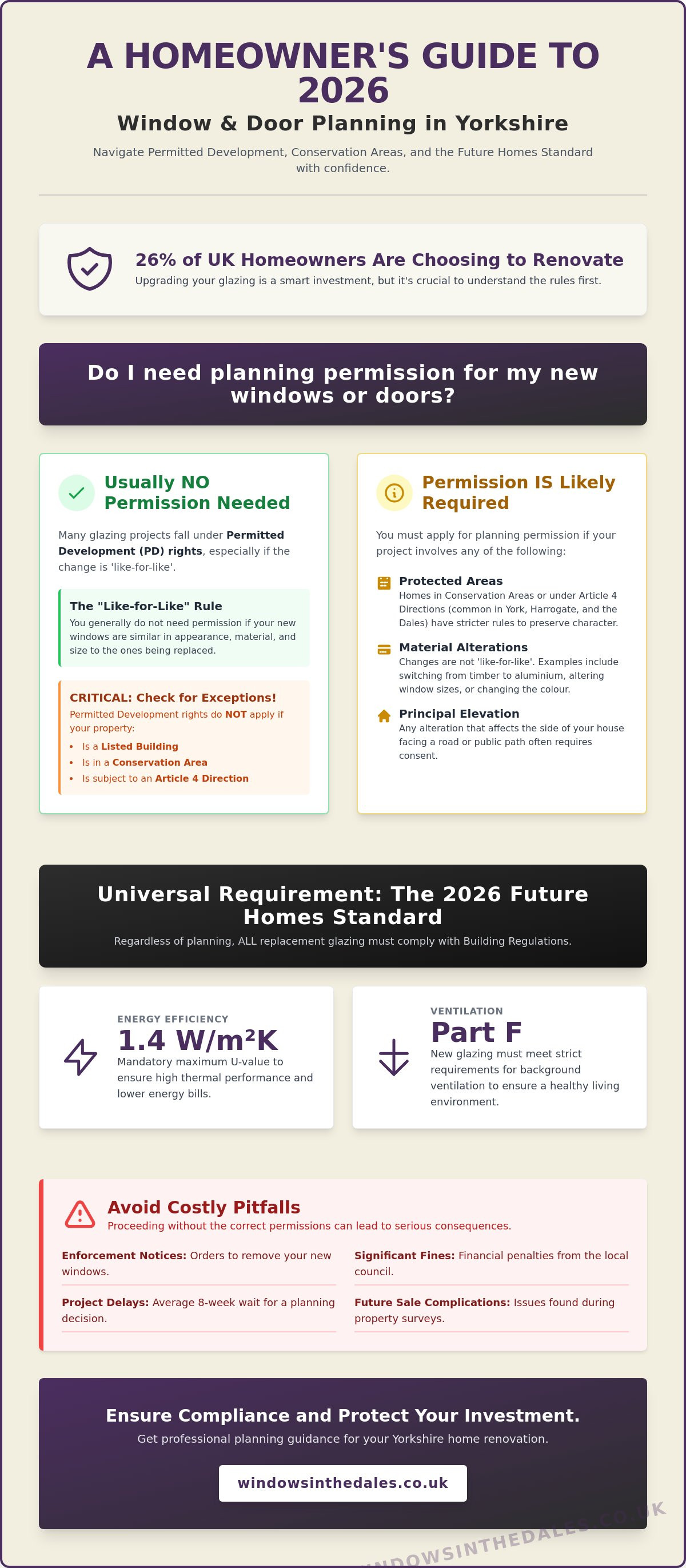
This expert guide provides the clear "yes/no" framework you need to navigate the complexities of 2026 planning laws. We'll help you understand the latest energy standards, including the mandatory 1.4 W/m²K U-values and Part F ventilation requirements. By the end of this article, you'll have the confidence to start your glazing upgrade with total peace of mind. We've mapped out everything from Article 4 Directions to the Future Homes Standard, ensuring your new heritage doors or bifold doors meet every legal requirement whilst looking spectacular.
Key Takeaways
- Identify if your project qualifies for Permitted Development rights by applying the "like-for-like" rule to your replacement windows and doors.
- Secure expert planning permission guidance for Yorkshire homeowners to successfully navigate Article 4 Directions in historic centres like York and Harrogate.
- Align your renovation with the 2026 Future Homes Standard to ensure your new aluminium bifold doors or roof lanterns meet rigorous energy efficiency benchmarks.
- Minimise the risk of enforcement notices by understanding specific heritage requirements whilst upgrading your property's aesthetic in Skipton or the Dales.
- Streamline your council submission with professional technical specifications that prevent common application errors and project delays in Leeds and Sheffield.
Understanding Planning Permission for Yorkshire Properties in 2026
Yorkshire is home to some of the UK’s most stunning architectural heritage, from the limestone cottages of the Dales to the Victorian terraces of Sheffield. Protecting this aesthetic requires a robust UK planning permission system. For residents, this means that altering the external appearance of a home often requires formal consent from local authorities like Leeds City Council or the City of York Council. Planning permission guidance for Yorkshire homeowners is no longer just about size; it's about preserving regional character whilst meeting modern sustainability targets. The 2026 landscape places a heavy emphasis on the "Future Homes Standard," pushing for glazing that reduces carbon footprints without sacrificing the visual integrity of our local streets.
It's vital to distinguish between planning permission and Building Regulations. Planning deals with the appearance of your property and its impact on the surrounding area. Building Regulations, such as the 2026 Part L standards, focus on structural integrity, safety, and thermal performance. A project might not need planning permission, yet it must always meet the mandatory 1.4 W/m²K U-value requirement for replacement windows. Confusing these two legal requirements is a common industry pitfall that can lead to significant financial risk during property surveys.
The Role of Local Yorkshire Planning Authorities
Every council operates with its own specific Local Plan. In North Yorkshire, for instance, the focus often leans toward stone-matched finishes and traditional sightlines. Neighbourhood plans in the Dales can be even more restrictive, dictating specific materials for uPVC windows or timber alternatives to maintain a cohesive village feel. Typically, a planning decision in the region takes approximately eight weeks. This timeline makes early preparation essential to avoid renovation delays that can stall your entire project. Professional planning permission guidance for Yorkshire homeowners helps align your vision with these local expectations before the first brick is moved.
Why Glazing Projects Require Professional Guidance
Period properties are the backbone of our region's charm. However, they carry the highest risk for "unauthorised works" notices. Replacing original timber with modern aluminium windows can be seen as a "material change" in appearance. This is especially true if the change affects the principal elevation, which is the side of the house that faces a highway or public space. Even a shift in frame colour or the move to ultra-slimline profiles can trigger a planning discussion.
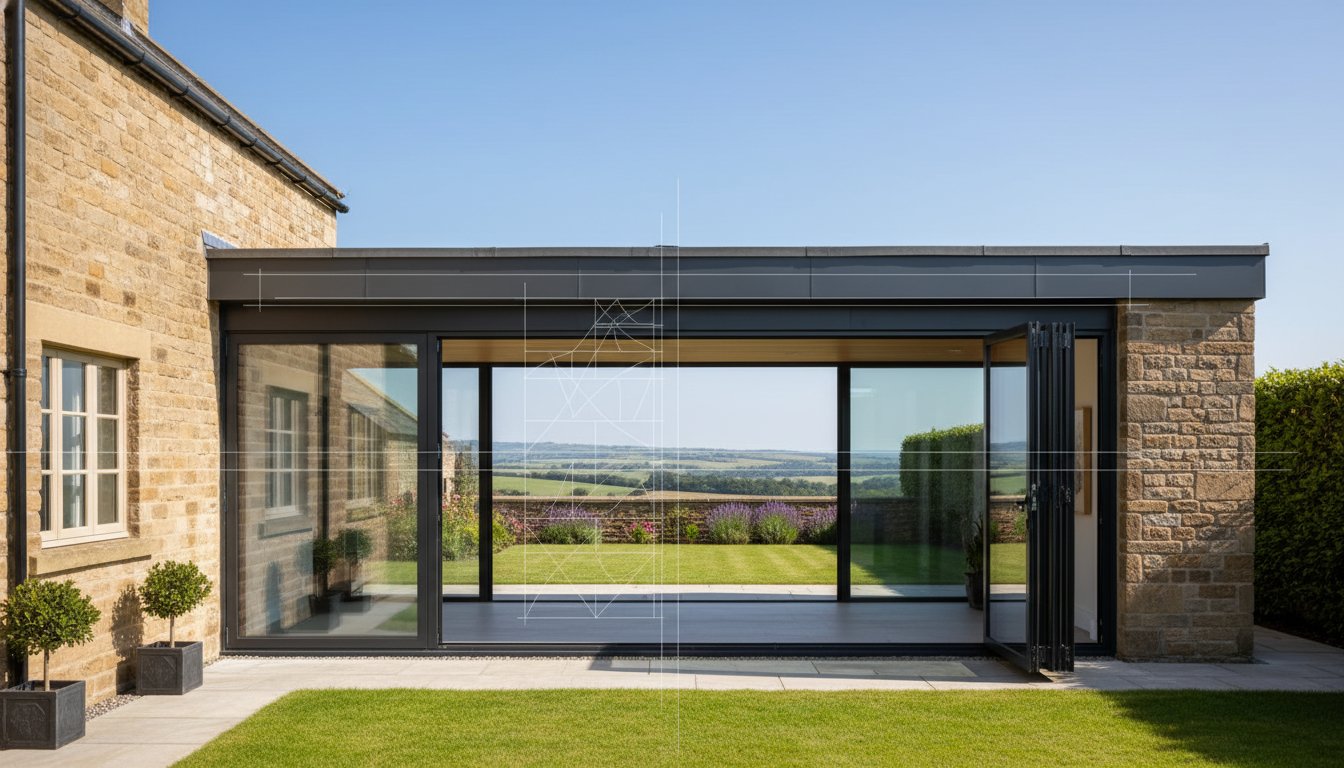
Choosing Aluminium Bifold Doors or a new Roof Lantern involves more than just aesthetics; it involves legal compliance. We advocate for a "right first time" approach to protect your investment. By understanding how architectural glazing impacts your home's standing within the community, you can enjoy contemporary natural light whilst remaining a guardian of Yorkshire’s architectural legacy.
Permitted Development Rights: When You Do Not Need Permission
Many homeowners believe that any external change requires a lengthy chat with the council. It's a common myth. In reality, a vast number of glazing upgrades fall under Permitted Development (PD) rights. These rights are a national grant of planning permission that allows you to carry out specific works without a formal application. Providing your home isn't in a protected area or subject to an Article 4 Direction, you can often replace your windows and doors with minimal fuss. This is vital for those following the "improve, not move" trend in 2026, where upgrading thermal efficiency has become a top priority for local residents.
The "like-for-like" rule is the cornerstone of PD for window replacements. If your new uPVC windows or aluminium frames are similar in appearance to those you’re replacing, you usually don't need to apply for permission. This rule applies to the majority of non-protected properties across Leeds, Sheffield, and beyond. In 2026, PD rights have been further clarified to encourage energy-efficient upgrades. This means the government actively supports homeowners who want to swap draughty single glazing for high-performance units that meet the latest Building Regulations Approved Documents regarding thermal loss.
Replacing Windows and Doors Under PD
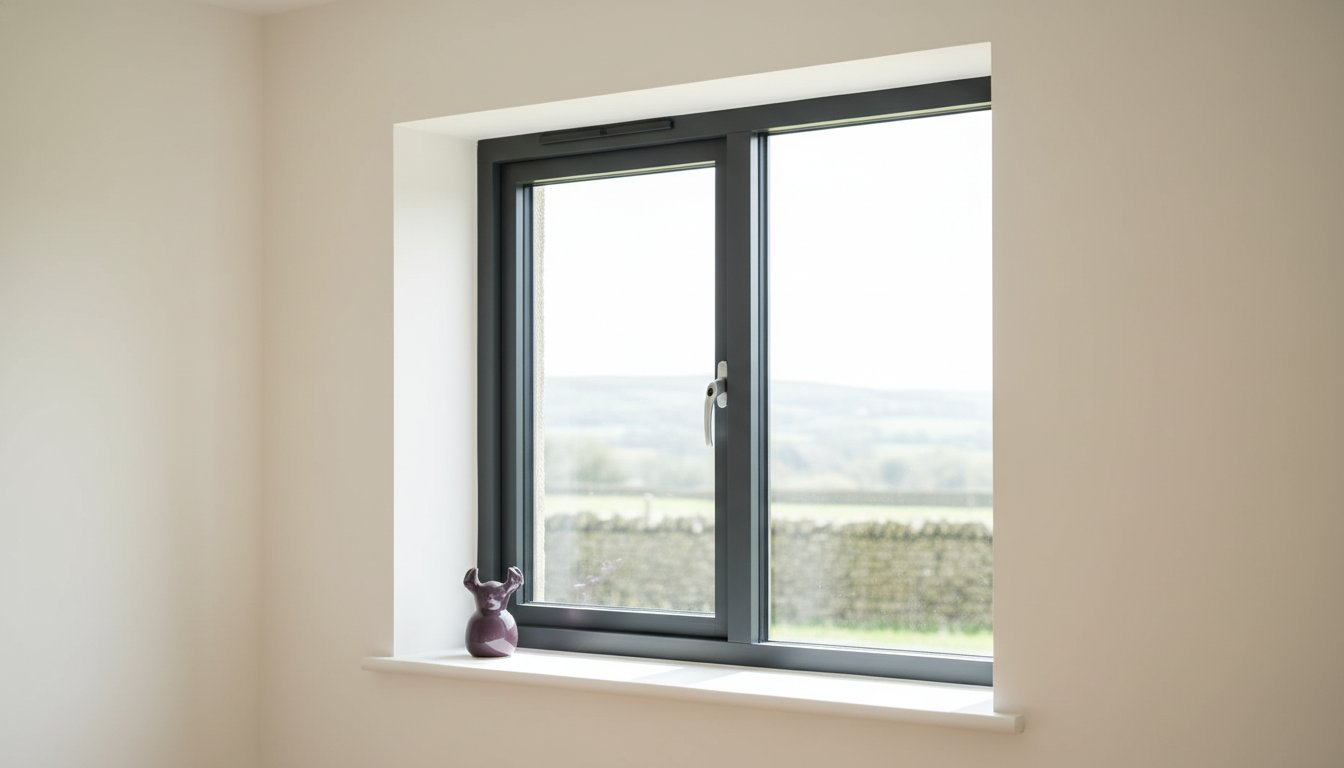
When choosing aluminium windows, look for slimline profiles that mimic the original proportions of your home. This helps ensure your project stays within PD limits. There are specific rules for side-facing windows. Any window located in a wall forming a side elevation must be obscure-glazed and non-opening, unless the parts that can be opened are more than 1.7 metres above the floor. If you're installing new Aluminium Bifold Doors or French doors, ensure the opening doesn't significantly exceed the original structural limits without seeking professional advice. You can see how these rules apply in real-world scenarios by viewing our recent Yorkshire projects.
Adding Roof Lanterns and Skylights
Roof lanterns are a magnificent way to flood a kitchen extension with natural light. Under PD, you can usually install these without a full planning application, provided they don't protrude more than 150mm from the existing roof plane. They must also not be higher than the highest part of the roof. These installations are particularly popular in Yorkshire's suburban areas where homeowners want to create an aspirational living space whilst adhering to height restrictions. By following these simple dimensions, you can transform a dark room into a bright, contemporary sanctuary without the eight-week wait for council approval. Planning permission guidance for Yorkshire homeowners often starts with these small but impactful "quick wins."
Navigating Heritage and Conservation Area Restrictions
Yorkshire’s architectural legacy is a source of immense regional pride, from the medieval streets within York’s city walls to the elegant Victorian boulevards of Harrogate. Protecting this character requires strict adherence to Conservation Area rules. These designated zones are specifically managed to preserve the historic interest of a locality. If you live in a Conservation Area in Skipton or Harrogate, your project likely falls under an Article 4 Direction. These legal orders strip away standard Permitted Development rights. They ensure that even minor changes, like replacing a front door, undergo council scrutiny to prevent the gradual erosion of the streetscape's beauty.
Planning permission guidance for Yorkshire homeowners is especially critical when dealing with Listed Buildings. This is the "Gold Standard" of protection. Any work that affects the character of a listed structure requires Listed Building Consent. Whilst this application is free of charge, it requires meticulous technical drawings. Failing to secure this consent before installing new glazing is a criminal offence. It can lead to costly enforcement notices that require you to remove the new installations at your own expense. Consulting the official planning permission guidance for windows is an essential first step for any homeowner in a protected zone.
Yorkshire Conservation Hotspots: York and Harrogate
York’s city centre is famously restrictive. The council often insists on traditional materials that match the original fabric of the building. In Harrogate, there is a strong preference for traditional timber-look finishes or high-quality heritage aluminium frames that respect the town's spa-heritage aesthetic. Choosing the wrong material can lead to an immediate rejection. We recommend focusing on designs that maintain original sightlines and glazing bar patterns to appease local planning officers. This careful approach protects your property value whilst ensuring your home remains a beautiful part of the Yorkshire landscape.
Choosing Heritage Glazing That Councils Love
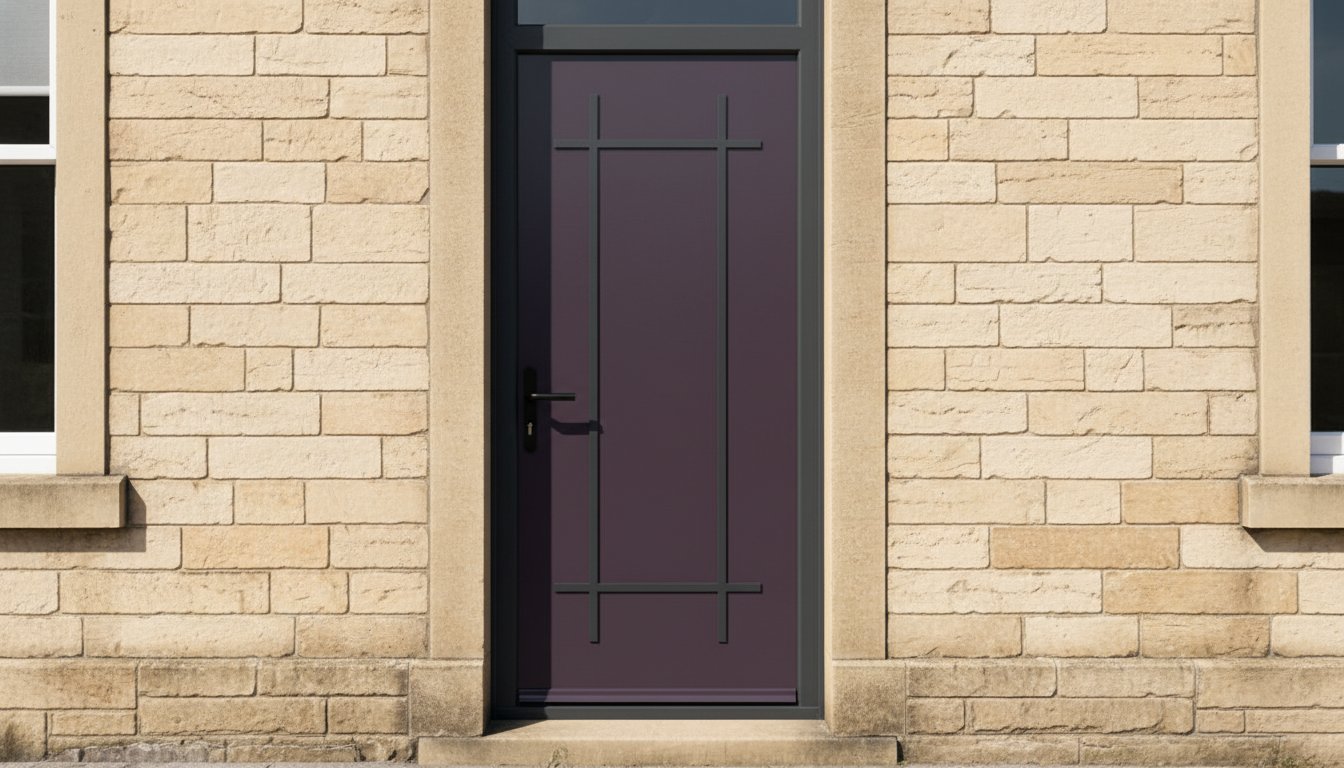
Modern technology now allows for high-performance glazing that satisfies even the most discerning planning departments. Slimline aluminium Heritage Doors are a superb choice for conservation projects. They offer the thin profiles of traditional steel windows whilst providing 2026-standard thermal efficiency. In urban renovations across Leeds and Sheffield, "steel-look" glazing is increasingly popular. It provides an industrial, contemporary edge that remains sympathetic to the original architecture. By selecting authentic, period-appropriate designs, you can enhance your home’s natural light without compromising its historical integrity. Planning permission guidance for Yorkshire homeowners often centres on this balance between modern performance and traditional aesthetics.
The 2026 Planning Landscape: Energy Efficiency and Building Regs
2026 marks a transformative period for property renovations across the region. The full implementation of the Future Homes Standard has shifted the focus of local authorities. Planning permission guidance for Yorkshire homeowners now prioritises carbon reduction and thermal performance alongside traditional aesthetic harmony. When you submit a project for review, councils in Leeds or Sheffield no longer just look at the frame colour; they scrutinise how your new glazing contributes to the building's overall energy footprint. This shift ensures that every upgrade is a long-term investment in sustainability rather than a short-term fix.
Central to these 2026 requirements is the U-value, a technical measurement of heat loss. For replacement windows in existing dwellings, the maximum permitted U-value is currently 1.4 W/m²K. If you're embarking on a new-build project, you'll need to aim for a much lower 0.8 W/m²K to comply with the latest standards. Our Aluminium Windows and doors utilise advanced "thermal break" technology to meet these benchmarks. This polyamide bridge within the frame acts as a barrier, preventing heat from escaping and cold from entering. It's a critical feature that helps satisfy planning conditions whilst significantly lowering your energy bills.
Planning approval is only one half of the legal puzzle. Your project must also secure a final Building Control certificate to be considered fully compliant. This certificate proves that the installation meets mandatory safety and performance standards, including the updated Part F requirements for trickle vents. These vents ensure adequate ventilation to prevent mould and condensation in increasingly airtight homes. By aligning your planning application with these technical regulations from the start, you protect your property's resale value and avoid the risk of future legal complications.
Meeting Part L Requirements in Yorkshire
Lower U-values are the "Gold Standard" for 2026 compliance. Whilst low-cost options might seem attractive initially, they often fail to meet the rigorous Part L thermal benchmarks required today. High-performance uPVC Windows offer exceptional insulation properties that easily exceed current regulations. Choosing premium materials ensures your home remains a warm, draught-free sanctuary even in the height of a Yorkshire winter. If you're unsure which system best suits your property's specific thermal needs, you can request a quote for a compliant glazing solution tailored to your home.
Sustainability and the Yorkshire Environment
Yorkshire councils are increasingly focused on "solar gain" and "thermal comfort" during planning reviews. In areas like Harrogate, where large extensions are popular, Roof Lanterns play a vital role in sustainable design. They flood living spaces with natural illumination, reducing the need for artificial lighting and contributing to a home's passive heating. Modern architectural glazing allows you to embrace contemporary aesthetics whilst remaining a responsible guardian of the local environment. By selecting frames with high-performance coatings, you can manage heat loss in winter and prevent overheating in summer, creating a perfectly balanced living space.
Managing Your Project: From Application to Installation
Taking the final step toward your home’s transformation requires a methodical approach. Planning permission guidance for Yorkshire homeowners is most effective when it moves seamlessly from architectural theory into practical installation. Once you have determined that your project requires formal consent, the focus shifts to the quality of your submission. A well-prepared application reduces the risk of council queries and prevents your renovation timeline from slipping. By following a structured process, you ensure that your new aluminium windows or heritage doors are installed with full legal backing and professional certification.
Securing a FENSA-registered installer is a vital part of this final phase. This registration means your installer can self-certify that the work complies with Building Regulations, including the 2026 thermal and ventilation standards discussed previously. This certification is essential when you eventually come to sell your property. It provides a "paper trail" of quality that reassures solicitors and buyers alike. Protecting your investment involves choosing high-quality architectural glazing that balances modern performance with the traditional aesthetic of our region.
The Application Process Simplified
A successful submission hinges on precision. You will typically need to provide several key documents through the Planning Portal for your specific Yorkshire council. These include:
- Location Plans: A map showing your property in relation to its surroundings.
- Existing and Proposed Elevations: Detailed drawings that show exactly how the new glazing changes the look of your home.
- Product Specifications: Technical details of your chosen frames, including U-values and material finishes.
Engaging with your neighbours early is a wise strategy in tight-knit Yorkshire communities. A quick conversation about your plans for new Aluminium Bifold Doors or a roof lantern can often prevent formal objections. Most concerns arise from a lack of information; providing clarity on sightlines and finishes can smooth the path to approval. This proactive behaviour reflects the community-focused accountability that defines our local area.
Why Windows in the Dales is Your Yorkshire Partner
Local expertise is your greatest asset when navigating the specific preferences of councils in York, Leeds, and Harrogate. We understand the nuances of regional "neighbourhood plans" and the specific aesthetic demands of North Yorkshire’s conservation officers. Our team supports you by providing the precise technical drawings and product specifications required for a robust application. This level of detail differentiates a professional glazing project from a standard replacement, ensuring your home remains both beautiful and compliant.
You can see the results of this expert-led approach in our Case Studies, where we showcase successful regional projects that have successfully balanced heritage requirements with 2026 energy standards. We move away from high-pressure sales toward a relationship built on transparency and craftsmanship. When you are ready to begin your journey toward a brighter, more efficient home, Request a Quote for a planning-compliant glazing solution that celebrates Yorkshire’s unique architectural character.
Secure Your Yorkshire Property’s Future Today
Upgrading your property with high-performance glazing is a significant investment in your home's aesthetic and thermal future. You now have the framework to distinguish between simple Permitted Development and the detailed requirements of Yorkshire’s many Conservation Areas. Successfully navigating the 2026 Future Homes Standard ensures your renovation adds genuine value whilst meeting strict energy benchmarks. Professional planning permission guidance for Yorkshire homeowners is the key to avoiding council enforcement and securing long-term peace of mind.
As specialists in Yorkshire Conservation Areas, we provide the technical expertise and 2026 Building Regs compliant products your project demands. Our expert FENSA-registered installers ensure every window and door is fitted to the highest standards of craftsmanship and regional duty. Don't let regulatory complexity stall your vision for a brighter, more efficient living space. We're here to help you navigate every local council requirement with confidence and transparency.
Start your Yorkshire home transformation with a bespoke quote today
Frequently Asked Questions
Do I need planning permission to replace my windows in a Conservation Area in York?
Yes, you will almost certainly require planning permission or a Certificate of Lawfulness due to extensive Article 4 Directions within York’s city walls. These directions remove standard Permitted Development rights to preserve the historic character of the streetscape. Always check with the City of York Council before commencing work. They often require specific materials and sash-window proportions that match the original building fabric precisely to maintain architectural harmony.
Can I install aluminium bifold doors under Permitted Development in Leeds?
Yes, you can typically install aluminium bifold doors under Permitted Development in Leeds, provided your property is not a listed building or situated within a Conservation Area. The new doors must be similar in appearance to the existing ones and should not significantly exceed the original structural opening limits. This is a popular way to provide planning permission guidance for Yorkshire homeowners looking to modernise their living space without the eight-week wait for council approval.
What is the 2026 Future Homes Standard for window U-values?
The 2026 standards require replacement windows in existing dwellings to achieve a maximum U-value of 1.4 W/m²K. If you are constructing a new build property, the Future Homes Standard mandates a much stricter U-value of 0.8 W/m²K. These figures are designed to significantly reduce carbon emissions and heat loss. Choosing high-performance aluminium or uPVC systems ensures your home meets these mandatory thermal benchmarks whilst lowering long-term energy costs.
Does a roof lantern require planning permission if it is on a flat roof?
A roof lantern generally falls under Permitted Development if it does not protrude more than 150mm from the existing roof plane. It must also not be higher than the highest part of the original roof. These rules apply to most flat-roof extensions in Yorkshire, allowing you to flood your kitchen or living area with natural illumination. However, if your home is subject to an Article 4 Direction, you must seek formal planning consent first.
How much does a planning application cost for a Yorkshire homeowner in 2026?
As of April 1, 2026, a standard householder planning application for alterations or extensions to a single dwelling in England costs £548. If your project involves operations solely within the boundary of an existing dwelling, such as adding fences or gates, the fee is £272. These costs are set nationally and apply to all local authorities across Yorkshire. Remember that pre-application advice from your local council may incur an additional, separate fee.
Will replacing my front door with a Heritage style require council approval?
Council approval is usually required if you live in a Conservation Area or a listed building where Article 4 Directions are in place. For properties outside these zones, replacing a front door with a Heritage style often falls under Permitted Development, provided the appearance remains sympathetic to the original dwelling. This is a critical part of planning permission guidance for Yorkshire homeowners who want to enhance kerb appeal whilst maintaining the architectural integrity of their local community.
What happens if I install windows without planning permission in Harrogate?
Installing windows without the necessary consent in Harrogate can result in the council issuing an enforcement notice. This legal order may require you to remove the unauthorised glazing and restore the property to its original state at your own expense. Unauthorised works on listed buildings are even more serious and can lead to criminal prosecution. It's always safer to secure a Lawful Development Certificate or formal planning permission before starting your glazing upgrade.
How long does it take for North Yorkshire Council to approve a glazing project?
North Yorkshire Council typically aims to reach a decision on householder planning applications within an eight-week timeframe. This period begins once your application has been validated, meaning all technical drawings and fees have been correctly submitted. Complex projects or those involving listed buildings may take longer if additional consultations are required. Early engagement with a specialist installer can help you prepare a complete application, reducing the risk of avoidable delays during the review process.