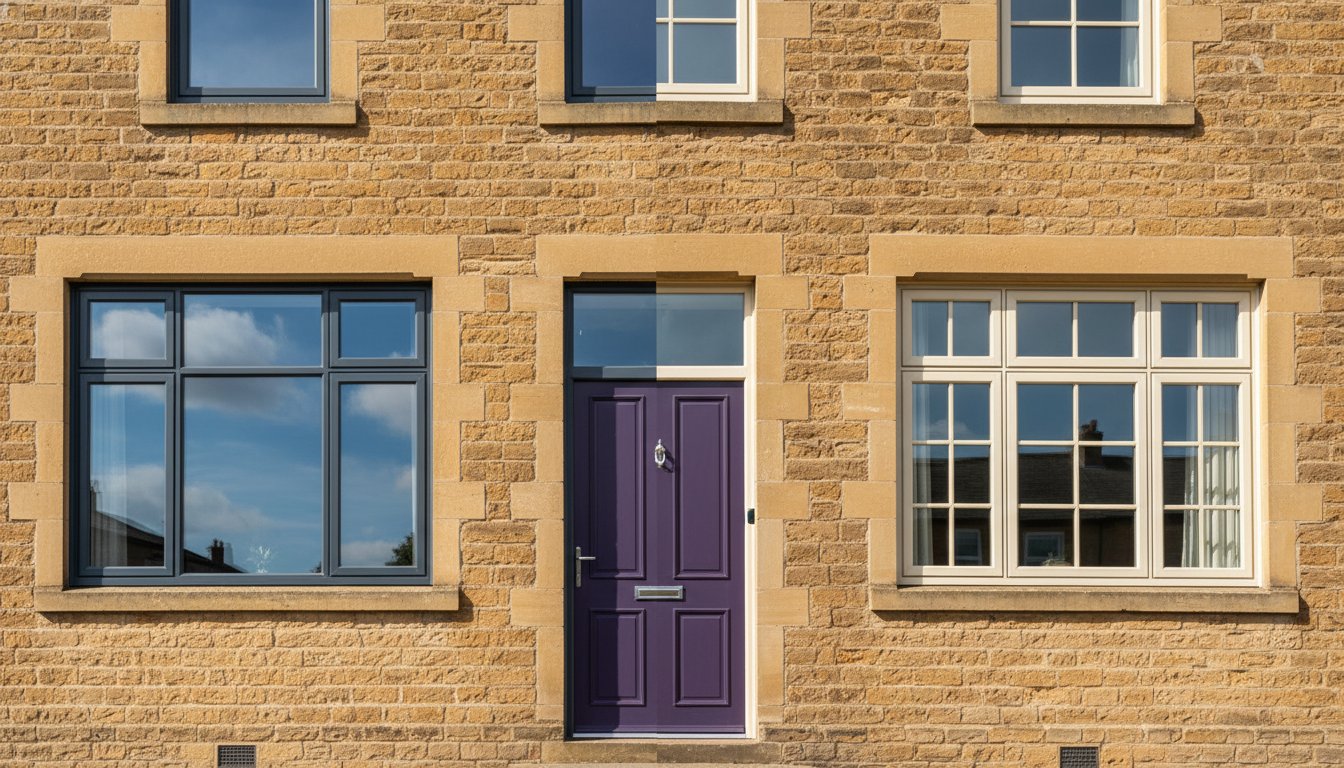
Could your choice of window frame be the hidden factor that either elevates your property value or leaves your home looking like a dated compromise? Many homeowners across York now find themselves at a crossroads, questioning if the standard white plastic frame still meets the demands of modern Yorkshire living. It's natural to worry about uPVC looking bulky or 'cheap', yet there's often a lingering fear that aluminium might feel cold or lead to condensation. You're likely asking the same question as many of your neighbours: Are aluminium windows better than uPVC?
We believe you deserve a home that feels bright and protected. This comparison helps you cut through the confusion of the 2026 Future Homes Standard, where replacement windows must now achieve a U-value of 1.4 W/m²K. We'll show you how to secure a 25-year maintenance-free solution that maximises natural light through slim, contemporary frames. This guide previews the essential differences in durability, style, and the mandatory ventilation requirements that safeguard your investment against the damp northern climate.
Key Takeaways
- Understand the structural differences between slimline aluminium profiles and versatile uPVC polymers to choose the right frame for your home's unique architecture.
- Determine if Are aluminium windows better than uPVC? by comparing their resistance to warping and discolouration in the unpredictable Yorkshire climate.
- Learn how advanced thermal break technology ensures modern aluminium frames remain warm and condensation-free throughout the coldest months.
- Explore the specific aesthetic benefits of Heritage uPVC for traditional properties and minimalist aluminium for contemporary, light-filled spaces.
- Weigh the 30 to 50 percent price premium of aluminium against its 40-year lifespan to find the best value for your long-term property investment.
The Core Differences Between Aluminium and uPVC Windows
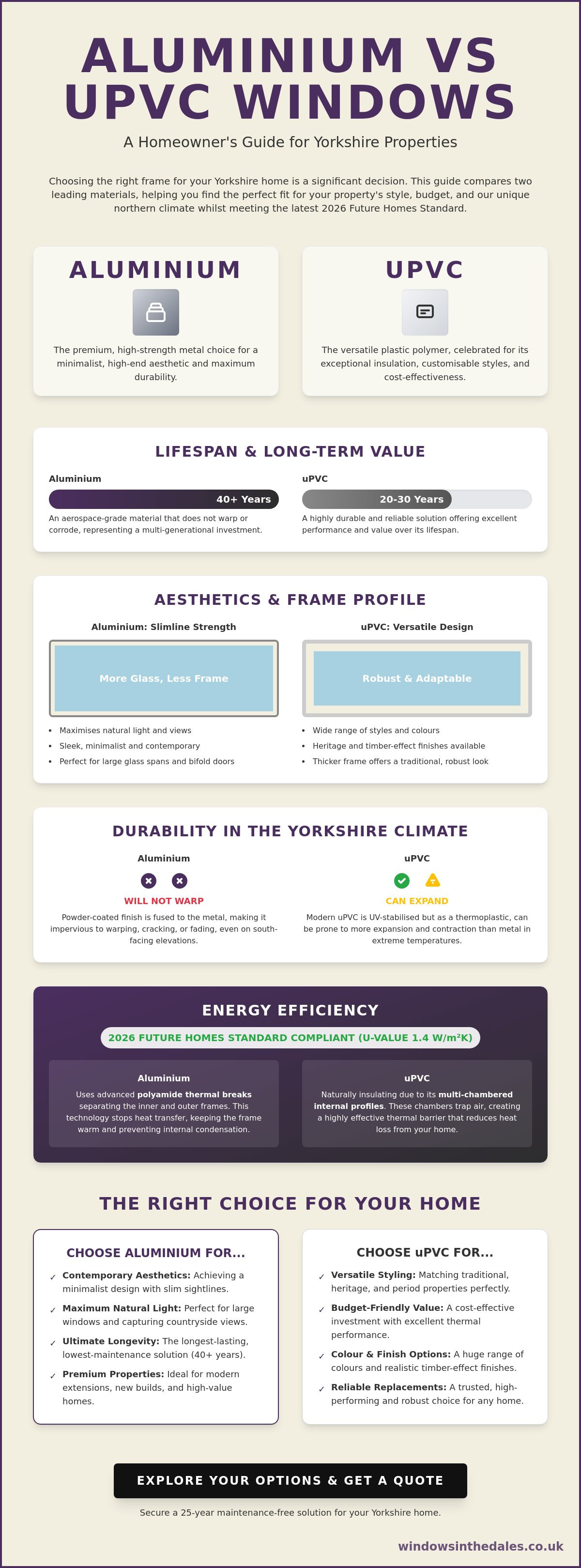
Choosing the right material for your home is a decision that impacts your comfort and property value for decades. Many homeowners across Yorkshire find themselves asking, Are aluminium windows better than uPVC? The answer depends entirely on your architectural goals, your long-term plans, and your specific budget. While both materials have evolved significantly to meet the 2026 building regulations, they serve different purposes in modern home design.
uPVC is a versatile plastic polymer. It's widely celebrated for its exceptional insulation and cost-effectiveness. Modern uPVC windows are no longer the 'cheap' plastic options of the past. They now feature sophisticated finishes that mimic timber or offer sleek contemporary colours. Aluminium is a premium, high-strength metal. It's the material of choice for homeowners seeking a minimalist, high-end aesthetic. The strength of aluminium windows allows for much larger glass spans, which is perfect for capturing the rolling views of the Yorkshire countryside.
Material Composition and Structural Integrity
The primary difference lies in structural capability. Aluminium is incredibly rigid. This inherent strength means the frames can be significantly slimmer than their uPVC counterparts whilst supporting heavier, larger panes of glass. If your priority is to maximise natural light and reduce the 'bulk' of your window frames, aluminium is the clear winner.
uPVC relies on multi-chambered profiles to provide its structural support. These internal chambers are designed to trap air. This design significantly enhances the thermal performance of window frames, making them naturally warmer to the touch. While uPVC frames are physically thicker, they provide a robust and highly insulating barrier against the Pennine winds. Both materials now comfortably meet the mandatory 1.4 W/m²K U-value requirement for replacement glazing.
Lifecycle and Environmental Impact
Longevity is a major factor in the 'value' conversation. A high-quality uPVC window typically offers a reliable lifespan of 20 to 30 years. It's a durable solution that requires very little maintenance beyond an occasional wipe down. Aluminium is a different class of investment. It's an aerospace-grade material that often lasts 40 years or more without warping or corroding.
- Aluminium: Infinitely recyclable and often considered the 'green' choice by architects due to its 45-year plus lifecycle.
- uPVC: Highly efficient at retaining heat, which reduces your home's carbon footprint through lower energy consumption.
- Sustainability: Both materials are now recycled at the end of their life, ensuring your Yorkshire home remains environmentally responsible.
Whether one is 'better' than the other comes down to your property type. A traditional Dales cottage might benefit from the insulating warmth and heritage styling of uPVC. A modern York extension, however, often demands the slim, light-enhancing profiles that only aluminium can provide.
Durability and Maintenance: Facing the Yorkshire Elements
Yorkshire homes endure a unique set of meteorological challenges. From the biting Pennine winds to the surprisingly intense summer sun across the Vale of York, your window frames are the first line of defence. When considering the longevity of your investment, you might wonder, Are aluminium windows better than uPVC? while evaluating how each material handles these regional extremes. The reality is that both materials have advanced, but they react to the environment in fundamentally different ways.
Modern uPVC is a far cry from the frames of the 1990s. It's now UV-stabilised to prevent the brittle, yellowing finish that once plagued the industry. However, uPVC remains a thermoplastic. This means it's naturally prone to more expansion and contraction than metal. Aluminium, by contrast, is virtually impervious to the elements. Its powder-coated finish is fused to the frame at high temperatures, creating a surface that won't crack, peel, or fade, even on the most exposed south-facing elevations.
Resistance to Warping and Fading
Dark-coloured frames, particularly the popular Anthracite Grey, are a modern staple in York. However, dark colours absorb more heat. In high-exposure areas, dark uPVC can struggle with thermal gain, which may lead to slight warping over many years if the frames aren't high-specification. Aluminium's thermal stability is a significant advantage here. It doesn't stick or jam during temperature shifts, ensuring smooth operation whether it's a frosty February morning or a rare July heatwave. For a technical breakdown of how different materials hold up, the U.S. Department of Energy guide to window frames provides an excellent overview of material performance in varying climates.
Long-term Mechanical Reliability
The mechanical integrity of your windows often comes down to how the frames support the weight of the glass. Modern double and triple glazing is heavy. Aluminium's inherent strength allows it to carry these loads without the frame 'dropping' over time. This protects the integrity of the weather seals and keeps your home draught-free for decades. While uPVC uses steel reinforcements to manage this weight, the sheer rigidity of aluminium offers a more permanent structural solution.
Maintenance for both materials is refreshingly simple. A wipe-down with warm soapy water twice a year is usually enough to keep them looking pristine. However, aluminium’s 45-year plus lifespan makes it the superior choice for those seeking a 'set and forget' solution. You can view our local case studies to see how these materials perform in real-world Yorkshire settings, helping you decide which fits your property's exposure level best.
Energy Efficiency: Thermal Performance and 2026 Standards
The old myth that metal frames make a home feel like an icebox is finally dead. In the past, aluminium was a notorious conductor of cold. Today, the engineering has shifted completely. When asking, Are aluminium windows better than uPVC? from an energy perspective, you must look at the internal design of the frame. Both materials must now comply with the updated UK Building Regulations for energy efficiency, which mandate a maximum U-value of 1.4 W/m²K for replacement windows in existing York homes.
uPVC remains the natural leader for thermal insulation. Its multi-chambered plastic profile creates a series of air pockets that naturally block heat transfer. It's an excellent, cost-effective way to keep a property warm during a harsh Yorkshire winter. However, modern aluminium windows have closed the gap. They use polyamide thermal breaks to separate the inner and outer sections of the frame. This prevents heat from escaping whilst maintaining a slim, elegant profile.
U-Values and Heat Retention Explained
The 2026 standards are strict. For a new build property in Yorkshire, the requirement is now 0.8 W/m²K. This often necessitates triple glazing to meet the Future Homes Standard. High-specification uPVC windows can reach these levels with ease. Premium aluminium systems can also achieve this, though they often require advanced thermal inserts to match uPVC's raw insulating power. Your choice should reflect your home's specific exposure. A draughty installation can ruin the performance of even the most expensive frame. Professional fitting ensures the seals are perfectly airtight against North Sea winds.
Condensation and Moisture Control
Condensation is a common worry for homeowners in the humid Vale of York. It occurs when warm, moist air hits a cold surface. Modern thermal breaks in aluminium frames eliminate the cold bridge that previously caused moisture to bead on the metal. Under the Part F updates, almost all replacement windows now legally require trickle vents. These vents provide essential ventilation to prevent mould, regardless of whether you choose plastic or metal. This is a mandatory requirement unless your home has a full mechanical ventilation system. By controlling internal humidity and using high-performance glass, you can enjoy clear views and a dry home all year round.
Aesthetic Impact: Choosing the Right Look for Your Property
Yorkshire’s architectural landscape is a diverse tapestry of historical character and bold modernism. Your choice of window frame shouldn't just fill a gap; it must enhance the visual language of your home. When asking, Are aluminium windows better than uPVC?, the aesthetic answer depends on whether you seek the sharp lines of a contemporary extension or the softened charm of a Dales cottage. The right choice can significantly increase the curb appeal and perceived value of your property.
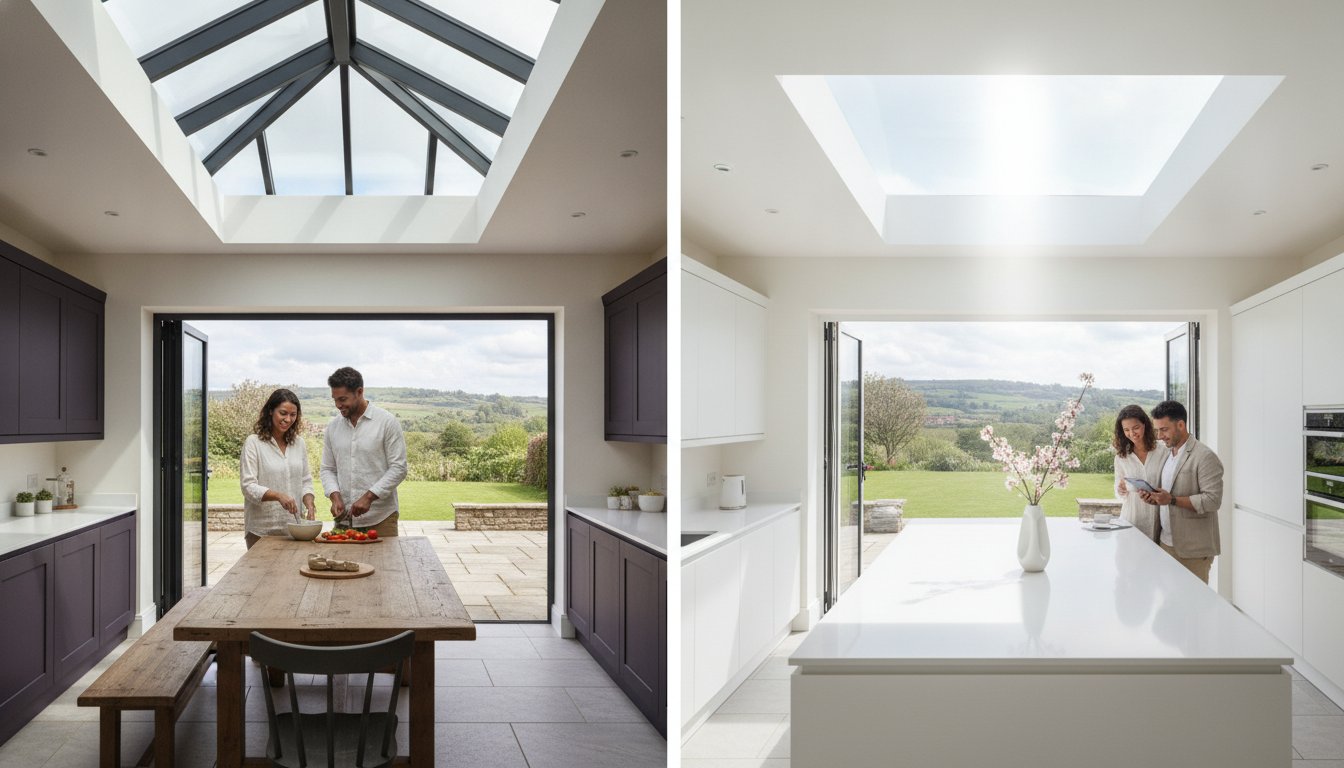
Aluminium’s reputation for 'more glass, less frame' makes it the favourite for homeowners wanting to flood their living spaces with natural light. Its inherent strength allows for ultra-slim sightlines that uPVC simply cannot match without becoming structurally unstable. This minimalism is particularly striking when aluminium windows are used to complement bifold door systems, creating a seamless glass wall that blurs the boundary between your interior and the garden. For those pursuing a bespoke look, aluminium offers an almost limitless palette via RAL colour coding, though Anthracite Grey remains the definitive staple for a premium finish.
Modern vs Traditional Architectural Styles
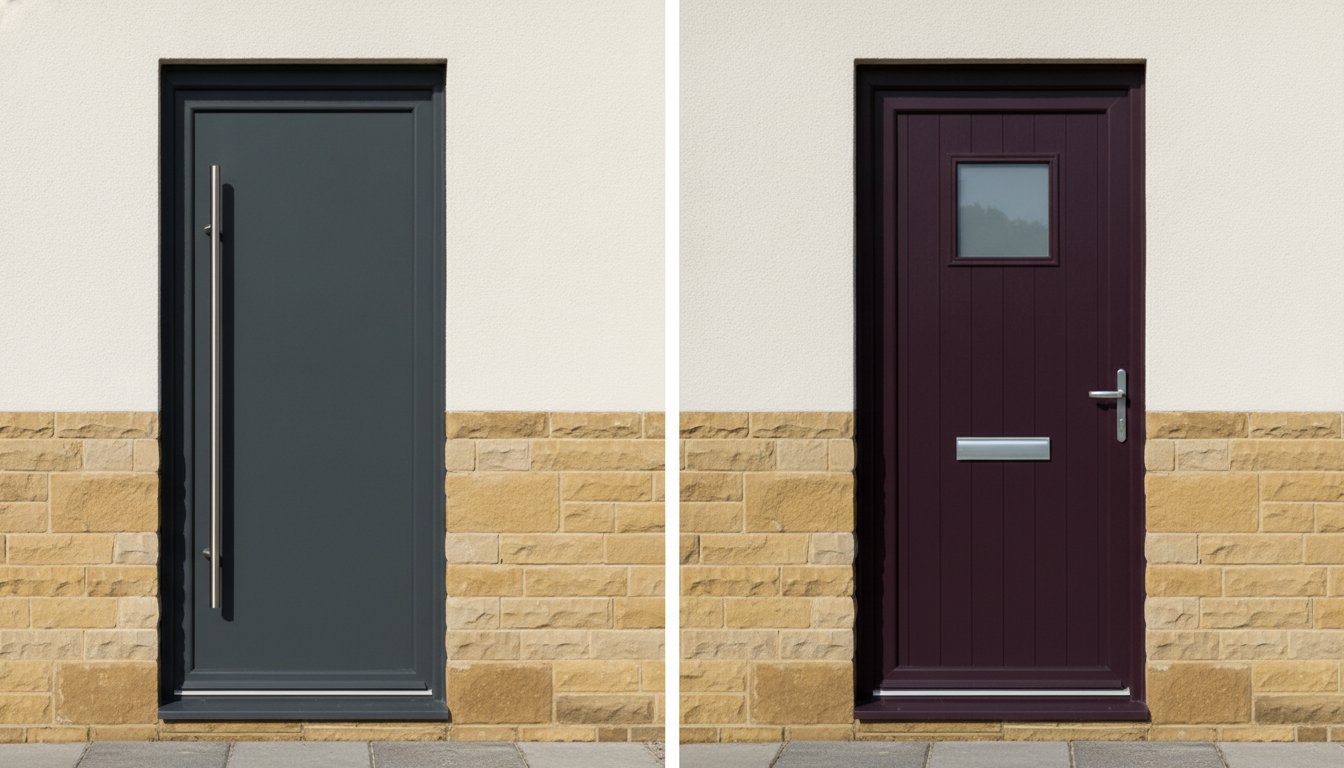
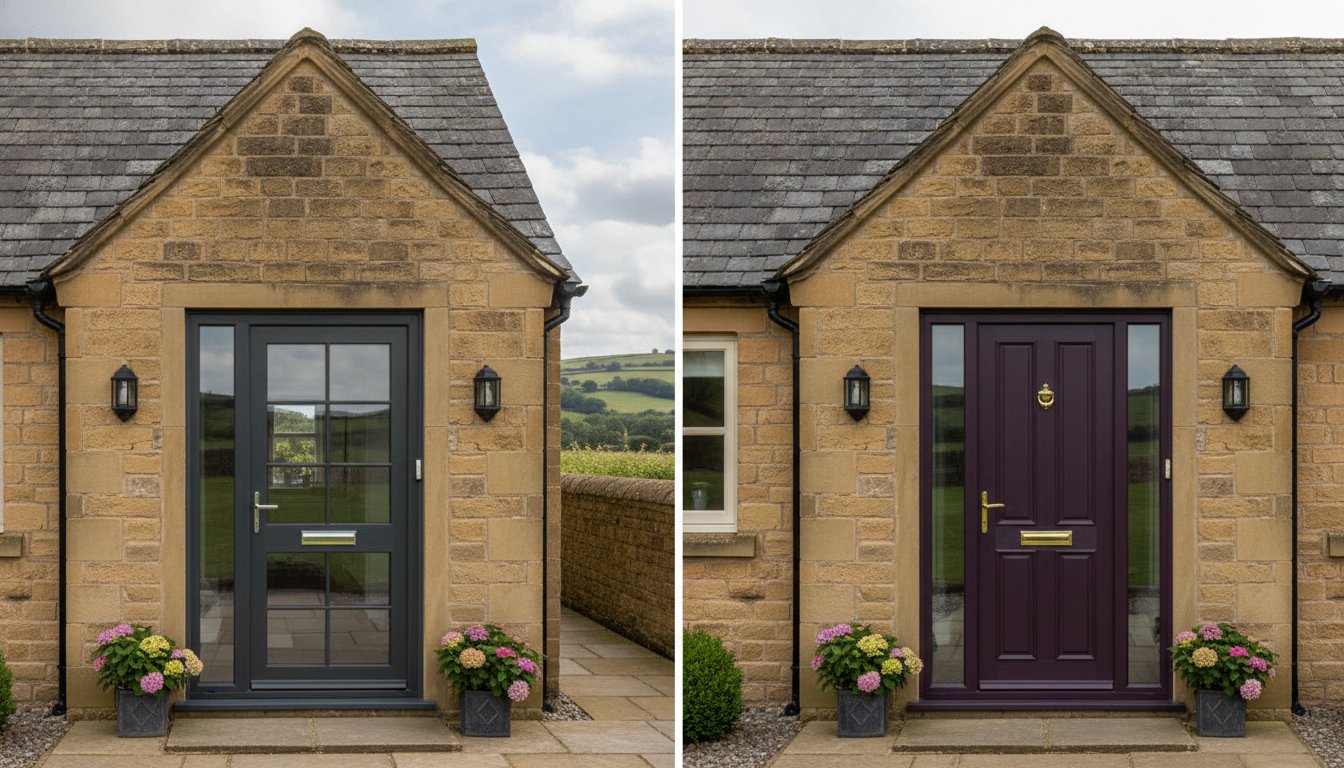
Matching the material to the property era is essential for architectural sensitivity. In Leeds city centre or for modern glass-heavy extensions, aluminium is the undisputed king. It also facilitates the rising trend of 'steel-look' windows, providing that industrial Yorkshire aesthetic with modern thermal breaks. However, uPVC remains a powerful tool for traditionalists. High-end heritage-style uPVC windows now feature flush sashes and mechanical joints that perfectly mimic 19th-century timber. This makes them the ideal match for a York terrace or a stone-built cottage where maintaining original character is a priority.
Sightlines and Natural Illumination
The physical 'bulk' of a window frame dictates how much light reaches the centre of your room. This is a critical consideration for north-facing properties in the Vale of York. Aluminium frames are often up to 50 percent slimmer than standard uPVC profiles. By reducing the frame width, you increase the glass surface area, which maximises natural illumination even on overcast northern days. While modern uPVC has trimmed its profiles significantly, it still retains a slightly more robust, rounded appearance compared to the crisp, flat edges of aluminium.
Selecting a style that respects your home’s heritage whilst embracing modern performance is a delicate balance. You can explore our full range of window styles to find the perfect architectural match for your specific Yorkshire property.
The Verdict: Making the Right Investment for Your Home
The final decision often rests on the balance between immediate budget and long-term property appreciation. Whilst aluminium typically carries a 30 to 50 percent price premium over uPVC, the return on investment extends beyond simple thermal performance. In the competitive York property market, the architectural distinction of slimline metal frames often translates into a higher resale value. When asking, Are aluminium windows better than uPVC?, you must consider whether you're improving a 'forever home' or preparing a rental property for the market.
uPVC remains a formidable choice for those prioritising initial affordability and high-grade insulation. It's the logical selection for rental investments, budget-conscious renovations, or specific heritage projects where a flush sash design is required to satisfy local character requirements. Aluminium, however, is the superior choice for modern architectural designs and projects requiring maximum durability. With a lifespan exceeding 40 years, it represents a generational investment that outlasts plastic alternatives by nearly two decades.
Creating a Cohesive Glazing Strategy
You don't always have to choose just one material for your entire Yorkshire renovation. Many savvy homeowners now adopt a hybrid approach to balance their budget with high-end aesthetics. This involves installing uPVC in upstairs bedrooms or side elevations whilst reserving aluminium for high-impact areas like garden views or large kitchen extensions. By using matching RAL colours, such as the ubiquitous Anthracite Grey, you can ensure a unified look across different materials. You can check our case studies for local Yorkshire inspiration on how these combinations work in practice.
This strategy allows you to invest in premium aluminium bifold doors or roof lanterns in your main living space while maintaining thermal efficiency elsewhere. It's about placing the investment where it delivers the most lifestyle value and natural light. Are aluminium windows better than uPVC? In terms of pure architectural impact and longevity, the answer is often yes, but a mixed strategy frequently provides the best value for the modern Yorkshire family.
Next Steps for Your Yorkshire Renovation
Every property in York presents unique structural challenges, from traditional brickwork to contemporary timber cladding. A local site survey is essential to assess these requirements and ensure your chosen frames meet the 2026 U-value standards. Avoid generic online estimates that fail to account for the complexities of northern installations. To get an accurate assessment for your specific project, you should request a professional quote from Windows in the Dales. Our specialists provide the transparent, expert-led guidance you need to protect your investment for decades to come.
Secure Your Home's Future with High-Performance Glazing
Choosing between these two materials is more than a budget decision; it's a significant architectural investment in your York property. We've explored how slimline aluminium profiles maximise natural light whilst high-performance uPVC provides exceptional thermal insulation for traditional homes. Both options now comfortably exceed the latest energy regulations, ensuring your living space remains warm and efficient through every Yorkshire season.
Ultimately, the question Are aluminium windows better than uPVC? depends on your specific vision for light, longevity, and style. With a decade of architectural glazing expertise in the region, our expert Yorkshire-based installation team is ready to guide you. We offer premium slimline aluminium and high-performance uPVC options tailored to your home's unique character. Transform your home with a bespoke glazing quote today. We look forward to helping you create a brighter, more beautiful living space that stands the test of time.
Frequently Asked Questions
Do aluminium windows rust or corrode in the UK weather?
No, aluminium windows will not rust or corrode in the UK climate. They feature a high-grade powder-coated finish that is fused to the metal at extremely high temperatures. This protective layer ensures the frames remain impervious to oxidation, even for properties exposed to the harsher conditions found in coastal Yorkshire regions or high-exposure Pennine areas.
Can you paint uPVC windows if you want to change the colour later?
You can paint uPVC frames, but we strongly advise against it for homeowners seeking a professional, long-term finish. Modern uPVC is available in a vast array of factory-applied foils that are designed for permanent longevity. Attempting to paint them later often leads to peeling and may void your manufacturer's warranty, so it's best to choose your permanent colour at the point of installation.
Are aluminium windows more secure than uPVC against break-ins?
Both materials offer exceptional protection, though aluminium's inherent rigidity provides a slight edge in physical structural strength. Modern uPVC is reinforced with steel to ensure it meets high security standards. People often ask, Are aluminium windows better than uPVC? regarding security; the truth is that both rely on sophisticated multi-point locking systems, but aluminium's structural stiffness makes it harder to jemmy or force.
How much more expensive are aluminium windows compared to uPVC in 2026?
Aluminium windows typically carry a 40 percent price premium over their uPVC counterparts in 2026. This extra cost reflects the higher price of raw materials and the complex manufacturing processes involved in creating slimline metal frames. Whilst the initial outlay is higher, the investment is balanced by a significantly longer lifespan and the potential for higher property valuation in the York market.
Will aluminium windows cause more condensation in my home?
Modern aluminium windows won't cause condensation if they're fitted with high-quality thermal breaks. These polyamide sections act as a barrier to stop cold from transferring from the outside to the inside of the frame. This technology ensures the internal frame stays warm, preventing moisture from beading on the surface during cold York nights. Proper use of mandatory trickle vents also helps manage internal humidity.
Which window material provides better noise reduction for busy Leeds roads?
uPVC is often the superior choice for noise reduction near busy Leeds or York roads due to its higher material mass and density. The multi-chambered plastic profile naturally dampens sound vibrations more effectively than hollow metal sections. However, the most significant factor in soundproofing is actually the glass specification, so we recommend acoustic glazing for homes in high-traffic urban areas.
Can I get heritage-style windows in both aluminium and uPVC?
You can certainly achieve a heritage look with both materials. Flush sash uPVC windows are specifically designed to mimic traditional 19th-century timber frames with mechanical joints and woodgrain finishes. Alternatively, slimline aluminium can be used to replicate the 'steel-look' industrial aesthetic that is increasingly popular in modern Yorkshire renovations and warehouse conversions.
Do aluminium windows require special cleaning products?
No special chemicals are needed to maintain your aluminium frames. A simple wipe with warm soapy water and a soft cloth twice a year is sufficient to remove grit and atmospheric pollutants. We recommend avoiding abrasive cleaners or solvent-based products, as these can damage the powder-coated finish over time. Regular cleaning ensures the frames remain looking new for their entire 40-year plus lifespan.