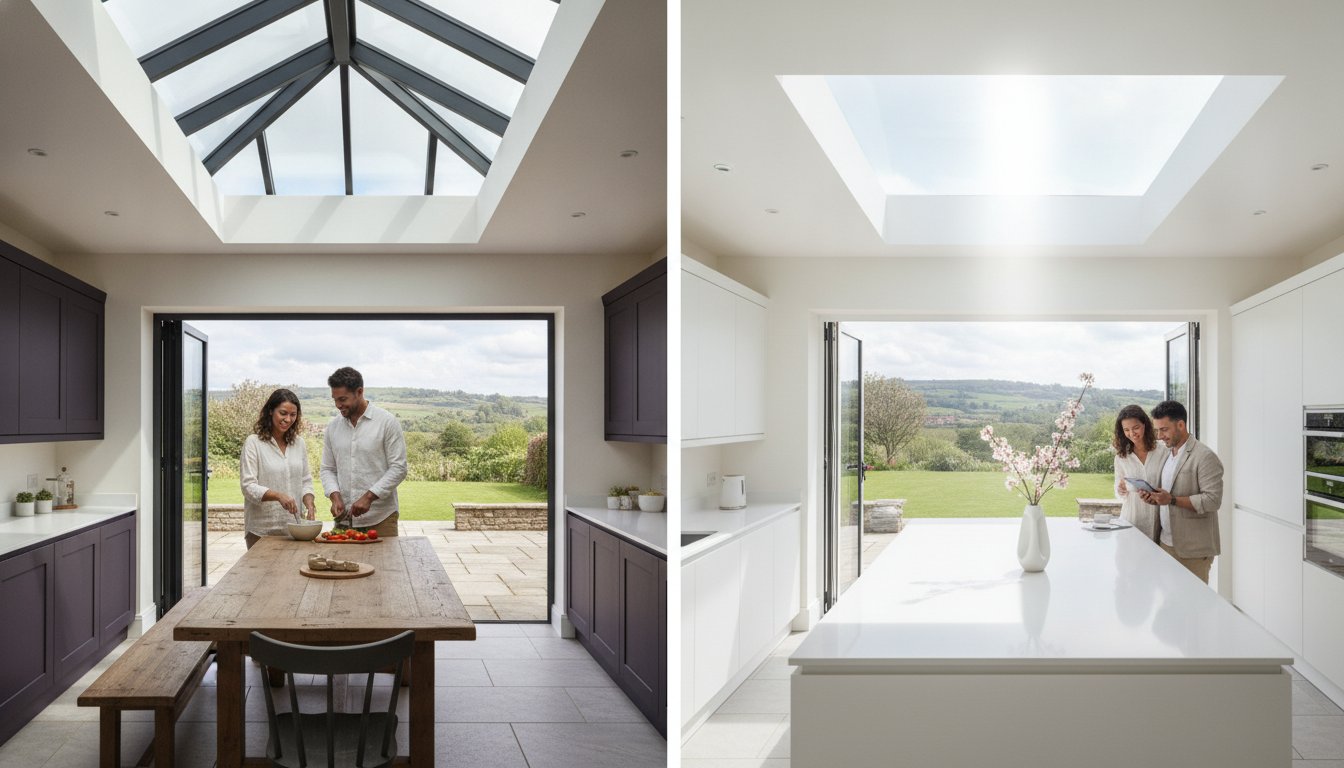
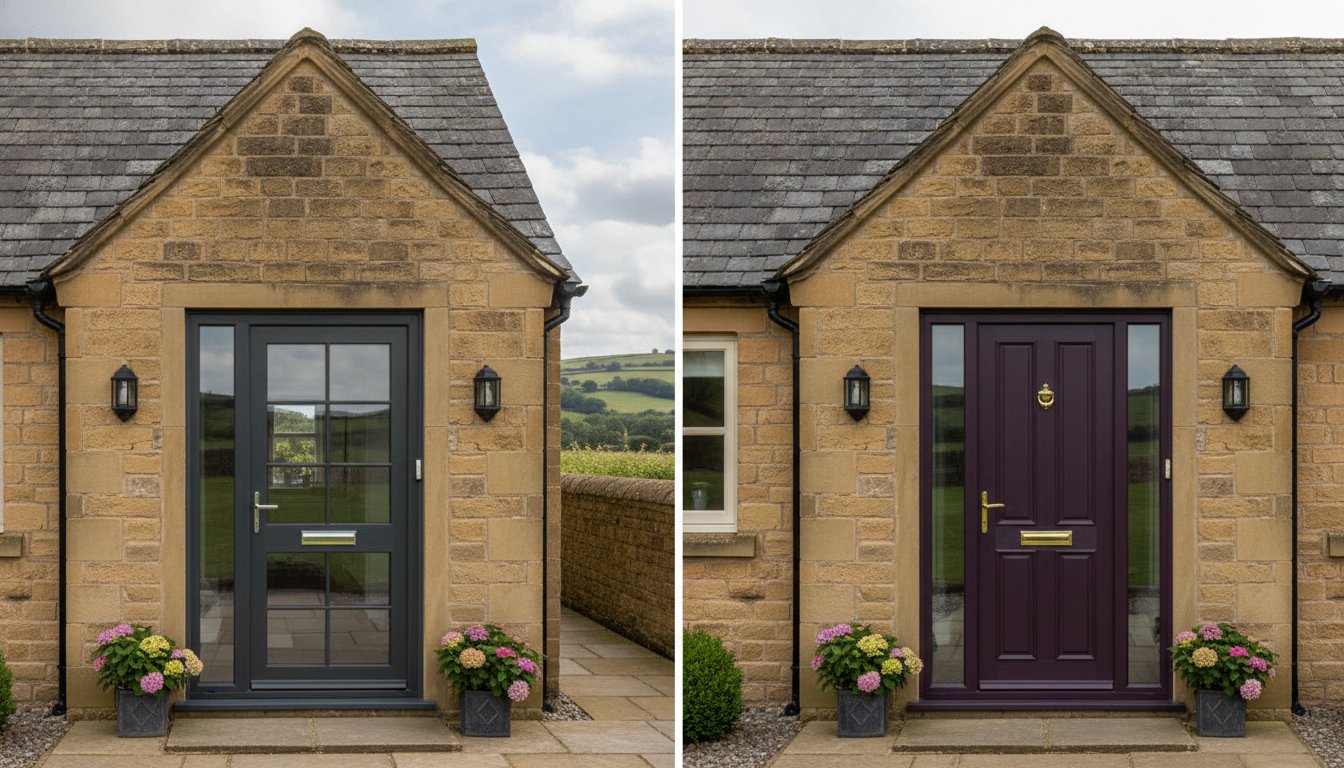
Could your traditional stone cottage be failing the mandatory 2026 thermal efficiency tests without you even knowing it? Many homeowners across the region are currently caught between a love for period character and the practical fear of doors warping in our notoriously damp climate. Choosing heritage style doors Yorkshire used to mean a compromise between authentic steel-look aesthetics and modern warmth, but the latest 2026 regulations have changed the landscape for every property owner.
We understand that protecting your home’s architectural integrity is just as important as meeting the new 1.4 W/m²K U-value requirements. You deserve an entrance that provides maximum natural light and high security without the draughts common in older installations. This expert comparison guide explores the critical differences between aluminium and composite materials. We'll examine which option truly withstands the local weather while delivering the sophisticated, slimline finish your property deserves. By the end of this article, you'll know exactly how to balance historic Yorkshire aesthetics with the peak thermal performance required for the years ahead. We'll help you invest in a solution that secures your home and enhances its value for a generation.
Key Takeaways
- Discover why the iconic 'steel-look' aesthetic is dominating Yorkshire’s architectural landscape, from Huddersfield mill conversions to traditional stone cottages.
- Understand how the 2026 Building Regulations impact your choice, ensuring your home meets the mandatory 1.4 W/m²K thermal efficiency standards for maximum warmth.
- Compare the structural benefits of architectural-grade aluminium against composite materials to achieve sought-after 30mm slimline sightlines and increased natural light.
- Learn how to specify heritage style doors Yorkshire that satisfy strict conservation area requirements whilst providing high-security, draught-free protection for your property.
- Gain expert insight into professional installation techniques that eliminate cold bridging and protect your investment against the unique challenges of the northern climate.
Why Heritage Style Doors are Dominating Yorkshire Properties in 2026
The 'Steel-Look' aesthetic has transitioned from its 1920s industrial origins into the most sought-after residential design trend of 2026. What began as a functional solution for warehouses in Huddersfield and Halifax is now a definitive statement of luxury for local homeowners. These systems replicate the iconic ultra-slim frames of traditional metal doors without the catastrophic heat loss associated with original single glazing. By choosing heritage style doors Yorkshire, residents are finally able to achieve that coveted industrial edge without sacrificing the comfort of their living rooms.
We're seeing a decisive shift away from standard uPVC. Modern Yorkshire homeowners now prioritise architectural-grade materials that offer a lifetime of service rather than a temporary fix. In 2026, the demand for these systems has peaked because they solve a very specific regional problem. They provide the authentic character required for a listed building or a conservation area property whilst meeting the rigorous 1.4 W/m²K thermal standards of current building regulations. It's no longer about choosing between "old" and "efficient" because modern engineering has merged the two.
Natural light is a precious commodity during the grey Yorkshire winter. Traditional timber or uPVC frames often feature bulky profiles that block out significant portions of the day's illumination. Architectural aluminium allows for sightlines as slim as 30mm. This results in a much larger glass surface area, flooding your living space with light when you need it most. In competitive property markets like Harrogate and York, this aesthetic upgrade is a powerful investment. Industry data suggests that combining heritage aesthetics with modern triple or double glazing can increase a property's valuation by up to 10% by blending high-end performance with timeless kerb appeal.
Resilience Against the Yorkshire Elements
The Yorkshire Dales present a unique challenge for external joinery. High-grade aluminium is the superior choice for our climate because it possesses a structural stability that timber or low-end composites cannot match; it won't warp, rot, or swell in the relentless Dales damp. A professional marine-grade powder-coating protects the frame from moorland winds and coastal salt air alike. Heritage doors serve as the essential bridge between historic charm and modern engineering.
Architectural Harmony Across the County
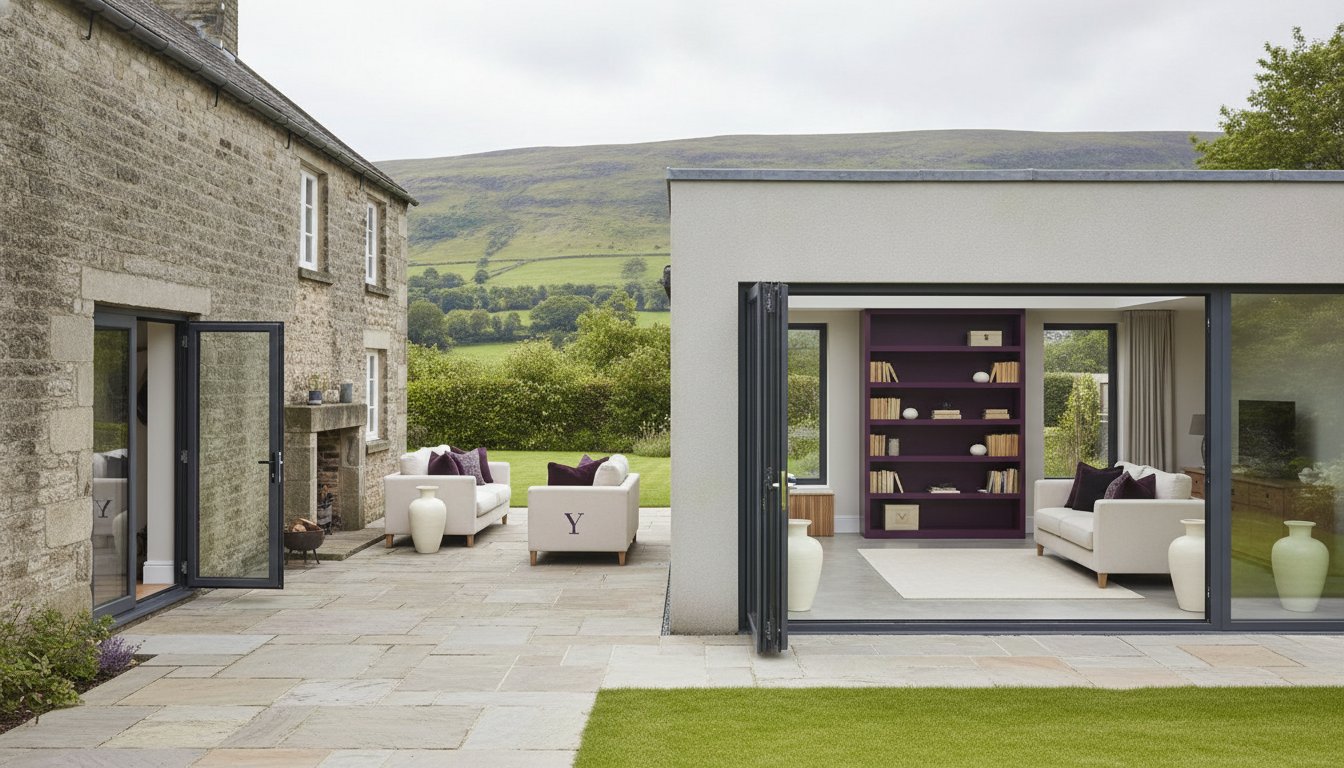
Achieving visual balance requires an understanding of local materials. Matte black finishes create a striking contrast against the golden gritstone of the Dales, whilst sleek industrial designs breathe new life into Victorian red-brick terraces in Leeds and Sheffield. For those adding contemporary glass extensions, heritage glazing provides a necessary 'softening' effect. It ensures that even the most modern addition feels connected to the original character of the home.
Heritage Aluminium vs. Composite: The 2026 Material Comparison
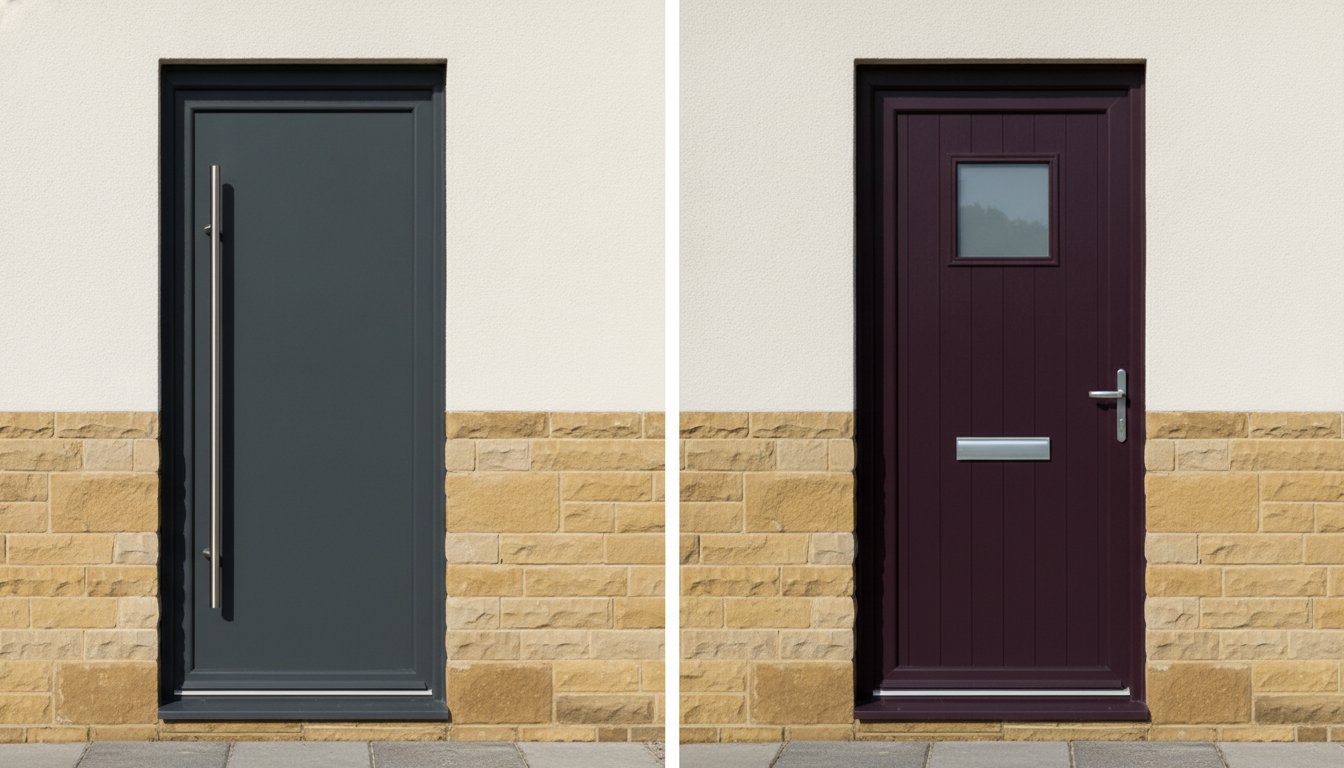
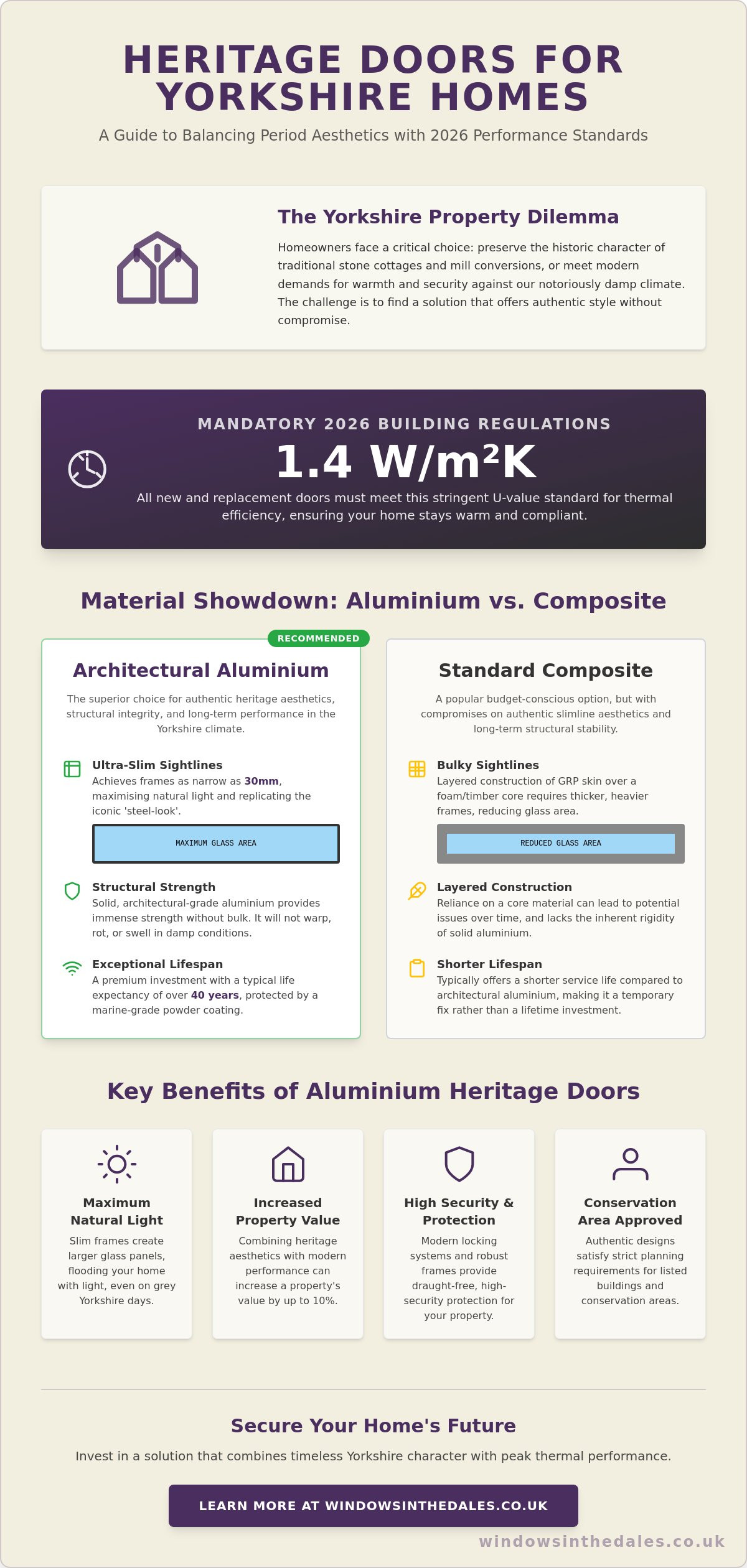
Choosing the right material for your entrance is a decision that impacts your home's security, warmth, and kerb appeal for decades. Whilst composite doors are a popular choice for budget conscious projects, they often fail to deliver the authentic industrial silhouette required for true heritage style doors Yorkshire. The core difference lies in the construction. Aluminium heritage doors utilise solid, architectural grade frames that provide immense strength without the bulk. In contrast, composite doors rely on a GRP (Glass Reinforced Plastic) skin over a timber or foam core. This layered construction inevitably results in thicker frames, which can look out of place on a refined period property.
The 'Slimline' factor is where aluminium truly excels. Because of its inherent structural integrity, aluminium can achieve sightlines as narrow as 30mm. Composite doors simply cannot match this. Their frames remain bulky to support the weight of the leaf, often obscuring the very natural light you are trying to invite into your home. When you invest in a premium aluminium system, you're choosing a product with a 40-year life expectancy. Standard composites typically require replacement after 15 to 20 years as the skins can fade or the internal cores begin to degrade under environmental stress.
Performance and Longevity Head-to-Head
Yorkshire's weather is notoriously unpredictable. We experience rapid shifts from damp moorland mist to bright sunshine, which causes inferior materials to expand and contract. This movement leads to sticking doors and failed seals. Aluminium is exceptionally stable; it resists temperature induced expansion far better than timber based composites. It also offers superior resistance to scratches and dents, making it ideal for high traffic family homes. From an environmental perspective, aluminium is infinitely recyclable. This makes it a far more sustainable choice than composite doors, which often end up in landfill due to their bonded, multi material construction. Ensuring your choice meets the latest Building Regulations for thermal performance is essential for long term compliance and comfort.
The Aesthetic Choice for Your Home
If your goal is to mimic the original 1920s steel glazing found in Huddersfield's industrial heritage, aluminium is the only authentic option. Its crisp edges and matte finishes provide a level of detail that GRP skins cannot replicate. Specifying heritage style doors Yorkshire requires a focus on detail that only metal can provide. You also gain access to over 200 RAL colours, allowing you to perfectly match your door to the specific stone or brickwork of your property. To see how these materials transform real homes, explore our premium aluminium heritage range and discover the difference that architectural grade engineering makes. If you're ready to secure your property with a lasting investment, you can request a bespoke quote from our local specialists today.
Security and Thermal Performance: Protecting Your Home from the Yorkshire Chill
Meeting the 2026 Building Regulations is a legal necessity for any modern renovation project. New and replacement doors must now achieve a U-value of 1.4 W/m²K to ensure homes remain energy efficient and compliant. When choosing heritage style doors Yorkshire, residents often worry that slim frames might compromise these thermal figures. This isn't the case with modern architectural systems. By following guidance on altering doors in historic homes, you can ensure your property retains its character whilst benefitting from cutting-edge insulation that exceeds standard expectations.
Polyamide thermal breaks are the secret behind the efficiency of our modern metal frames. These high-performance strips separate the inner and outer sections of the aluminium, effectively eliminating 'cold bridging'. Without this technology, heat would escape quickly through the conductive metal. For homeowners in the exposed Yorkshire Dales, this feature is the difference between a cosy hallway and a constant chill. These systems also offer exceptional acoustic insulation. They significantly reduce intrusive city noise in bustling urban centres like Leeds or York; they create a peaceful sanctuary inside your home regardless of the external environment.
Security remains a top priority for every homeowner in the current climate. In 2026, most insurance providers require high-specification multi-point locking systems as a standard condition for coverage. These locks secure the door at several points along the frame, making them far more resilient than traditional single-point latches. Investing in a high-security entrance isn't just about safety. It's about ensuring your home remains fully protected under the latest industry standards.
Advanced Security and Smart Integration
PAS 24 and 'Secured by Design' certifications offer peace of mind by proving the door has passed rigorous physical attack tests. Aluminium's inherent strength makes it a superior barrier against forced entry compared to timber or uPVC. We also see a growing trend in smart locking technology. You can now integrate biometric or digital access with traditional heritage hardware. This allows you to maintain the vintage look whilst enjoying modern convenience. It's the perfect fusion of 1920s style and 2026 technology.
Maximum Thermal Efficiency for Exposed Locations
Triple glazing is an investment worth considering for homes in particularly windswept or rural areas. It adds an extra layer of protection against the elements and further lowers your energy bills. Frame design plays a vital role in preventing condensation issues by maintaining a consistent internal temperature. Advanced weather seals and bespoke threshold designs ensure that even the most exposed properties in the Dales remain completely draught-free during winter storms. If you're planning a project and need technical advice on meeting these standards, you can request a quote from our Yorkshire-based team today.
Matching Heritage Designs with Yorkshire’s Unique Architecture
Yorkshire’s architectural identity is a rich tapestry of golden gritstone, industrial red brick, and whitewashed Dales cottages. Successfully installing heritage style doors Yorkshire requires a deep understanding of these varied textures. For the converted textile mills and warehouses of Huddersfield and Halifax, the 'Steel-Look' is more than a trend; it's a respectful nod to the region's industrial heritage. These properties benefit from slim, multi-paned designs that echo the original glazing found in 19th-century manufacturing hubs. By choosing architectural aluminium, you can maintain this industrial silhouette whilst drastically improving the building's thermal efficiency.
Proportions are vital when selecting your door's layout. Authentic astragal bars (glazing bars) must be scaled correctly to match the specific age of your property. A Georgian-inspired grid requires different spacing and bar widths than a 1930s Art Deco look. Getting this wrong can make even a premium installation feel disconnected from the rest of the house. Hardware serves as the final touch in this design process. Traditional monkey-tail handles provide a rustic, handmade feel for older properties, whilst long, contemporary pull bars offer a sleek finish for modern minimalist entrances in the Vale of York.
Heritage Doors for Dales Cottages and Period Homes
Replacing old timber doors in rural North Yorkshire often brings a fear of losing historic character. However, modern aluminium systems allow you to replicate the delicate aesthetics of wood whilst gaining 2026-grade protection against the elements. Colour choice is the defining factor here. For properties built from warm gritstone, Agate Grey offers a soft, sophisticated alternative to harsh blacks. In contrast, Heritage Green perfectly complements the lush, rural surroundings of the Dales. To see how these palettes transform local properties, view our latest heritage door case studies and find inspiration for your own renovation.
Industrial Minimalist Statements for Urban Extensions
In the vibrant suburbs of Leeds and Sheffield, homeowners are increasingly using oversized heritage doors to create a 'Grand Entrance' on modern extensions. These installations often feature Anthracite Grey or Black finishes to provide a sharp, contemporary edge to traditional red-brick terraces. Integrating sidelights is a strategic way to maximise natural light in typically narrow Yorkshire hallways. By extending the glazing beyond the door leaf, you transform a dark entry into a bright, welcoming space. If you want to elevate your home’s aesthetic with a tailored entrance, contact our Yorkshire design team to discuss your specific architectural requirements today.
Professional Heritage Door Installation Across North and West Yorkshire
Local expertise is non-negotiable when upgrading a property in this region. Many towns across the North and West are designated conservation areas with strict architectural guidelines. Navigating these local planning constraints requires a specialist who understands exactly what the council expects. The Windows in the Dales consultative approach ensures that your new heritage style doors Yorkshire don't just look the part but also satisfy every legal requirement. We manage the entire process from initial design and technical survey to the final fitting with a level of precision that general contractors often overlook.
We prioritise high-quality workmanship because a door is only as good as its installation. Poor fitting leads to draughts and misalignment; this is a frequent risk when dealing with high-pressure sales companies that rush the labour phase. We treat your property with the respect it deserves. Our 2026 guarantee provides long-term peace of mind, ensuring your investment is protected against the unpredictable northern elements for years to come. By choosing a local specialist, you are opting for a relationship built on trust and community-focused accountability.
Our Local Service Area: From Harrogate to Sheffield
Our team covers the entire region from the historic streets of Harrogate down to the urban heart of Sheffield. We are intimately familiar with the architectural nuances of York, Leeds, and Ripon. This regional knowledge allows us to recommend styles that sit in perfect harmony with your specific neighbourhood. We organise site surveys at times that suit your schedule to minimise disruption to your daily life. Our network of professional installers is deeply rooted in the community, providing a reliable service that national chains simply cannot replicate.
Your Journey to a Transformed Entrance
Preparing for your home survey is a straightforward process. We ask that you clear the area around your entrance so our specialists can take the precise measurements required for a bespoke fit. In the current 2026 market, lead times for custom-made heritage doors are typically 5 to 6 weeks, with an additional 2 weeks for professional installation. This timeline ensures every component is manufactured to your exact specifications without compromising on quality. We don't believe in the risks of "same-day" solutions for high-end architectural projects. If you're ready to secure your home with a lasting investment, request your bespoke Yorkshire heritage door quote from our expert team today.
Secure Your Property’s Future with a Timeless Entrance
Choosing the right entrance is a defining moment for your home’s character and its long-term efficiency. We've explored why architectural aluminium is the only material that truly reconciles the slimline industrial look with the rigorous 2026 thermal regulations. Whilst composite options might offer a lower initial cost, they simply cannot compete with the 40-year durability and 30mm sightlines of a premium metal system. Investing in heritage style doors Yorkshire ensures your property remains a warm, secure, and beautiful asset regardless of the damp Dales climate or shifting energy standards.
Our team provides expert local installation across North and West Yorkshire, ensuring every project respects the unique architectural heritage of our region. We offer a professional, consultative service with no high-pressure sales; we focus instead on protecting your investment and enhancing your home's natural light. Take the first step toward a transformed living space today. Request a Quote for Your Heritage Style Doors and discover how our high-performance systems bring modern peace of mind to traditional Yorkshire properties. We look forward to helping you create an entrance that stands the test of time.
Frequently Asked Questions
Are heritage style doors more secure than standard front doors?
Heritage style doors provide exceptional security because they combine the inherent structural strength of architectural aluminium with modern multi-point locking systems. These systems secure the door at several points along the frame rather than relying on a single latch. Most high-quality installations are PAS 24 certified, meaning they've undergone rigorous physical testing to resist forced entry. This makes them a significantly more robust barrier than many standard timber or older uPVC alternatives.
Can I install aluminium heritage doors in a listed building in Yorkshire?
Installing new doors in a listed building requires specific consent from your local planning authority and conservation officer. Whilst modern heritage style doors Yorkshire are designed to replicate historic steel aesthetics, every listed property has unique protections. You should always seek professional advice before starting work. Many homeowners find that our slimline profiles are viewed favourably by planners because they maintain the property's historic character whilst providing essential 2026 thermal performance.
Do aluminium heritage doors get cold during the winter?
Modern aluminium doors do not get cold internally because they feature advanced polyamide thermal breaks. This technology inserts a non-conductive barrier between the inner and outer sections of the frame to eliminate 'cold bridging'. When paired with high-performance double or triple glazing, these doors maintain a consistent internal temperature. They are specifically engineered to withstand the harsh Yorkshire winter without the draughts associated with original single-glazed metal doors.
What is the difference between Crittall and heritage style doors?
Crittall is a registered trademark and a specific manufacturer of steel windows and doors; 'heritage style' is a descriptive term for doors that replicate that iconic industrial look using modern materials. Our heritage range utilizes architectural-grade aluminium to achieve the same slim sightlines and grid patterns. Aluminium offers superior thermal efficiency and lower maintenance requirements than traditional steel, making it a more practical choice for most 2026 residential renovations.
How much do heritage style doors cost compared to standard composite doors?
Heritage style doors are a premium architectural investment that typically sits at a higher price point than standard off-the-shelf composite doors. This reflects the superior longevity of aluminium, which offers a 40-year life expectancy compared to the 15-20 years expected from composite materials. You are investing in bespoke engineering and a finish that significantly enhances property value. Many homeowners find the long-term value is far greater because they won't need to replace the door for decades.
Are heritage doors energy efficient enough for the 2026 building regs?
Yes, our heritage systems are fully compliant with the 2026 Building Regulations Part L regarding thermal performance. They achieve the mandatory U-value of 1.4 W/m²K or lower, ensuring your home remains energy efficient and legally compliant. This is achieved through a combination of thermally broken frames and high-specification glazing units. Choosing heritage style doors Yorkshire allows you to enjoy a classic aesthetic without compromising on the strict modern standards required for new or replacement installations.
What maintenance do aluminium heritage doors require?
Aluminium heritage doors require very little maintenance beyond a simple wipe down with warm soapy water every few months. The marine-grade powder-coated finish is incredibly durable and resists fading, even in exposed moorland locations. Unlike timber, these doors will never need sanding, staining, or repainting. We recommend a quick annual check of the moving parts and locks with a light lubricant to ensure the multi-point system continues to operate smoothly for years to come.
How long does it take to install a new heritage door in Yorkshire?
The physical installation of a new heritage door typically takes one working day to complete with minimal disruption to your home. However, because these are bespoke architectural products, you should allow for a manufacturing lead time of approximately 5 to 6 weeks. This period ensures your door is precision-engineered to your exact measurements. Following production, we usually schedule the professional fitting within a further 2 weeks to ensure a perfect, draught-free finish.