Imagine a sharp Pennine gust catching your patio door, or the lingering worry that modern aluminium might look jarring against your cottage's gritstone walls. Many Yorkshire homeowners feel torn when deciding on bifold vs french doors, fearing they'll sacrifice traditional charm for modern performance. It's a valid concern. You want a home that feels open to your garden but remains secure and thermally efficient during a harsh northern winter.
We'll help you resolve this dilemma by comparing aesthetics, space requirements, and the latest 2026 thermal standards. You'll learn how to meet the mandatory 1.4 W/m²K U-value without losing your property's unique character. We'll explore which design offers the best protection against slamming in exposed gardens and which adds the most long-term value to your investment. From sleek sightlines to classic symmetries, here is how to find the perfect architectural fit for your property.
Key Takeaways
- Identify whether bifold vs french doors best suit your home's architectural DNA, from traditional stone cottages to contemporary terraces.
- Master the "2.5-metre rule" to determine which door configuration maximises your internal floor space and garden access.
- Understand the 2026 U-value requirements to ensure your new installation provides superior thermal protection against the Yorkshire climate.
- Learn why high-quality aluminium frames represent a more durable, value-adding investment for your property than standard uPVC alternatives.
- Recognise the critical security standards, such as PAS 24, that are necessary to protect your home from common entry methods like lock snapping.
Bifold vs French Doors: Understanding the Fundamental Differences
Choosing between bifold vs french doors is one of the most significant decisions for any Yorkshire renovation. It isn't just about aesthetics; it's about how you move through your home and how you manage the local climate. French doors are a classic symmetrical pair of doors that hinge outwards or inwards. They offer a refined, traditional gateway to your patio. Bifold doors are more complex. They feature multiple panels that fold and stack against a wall like an accordion. This mechanism allows you to open up an entire side of your house to the outdoors.
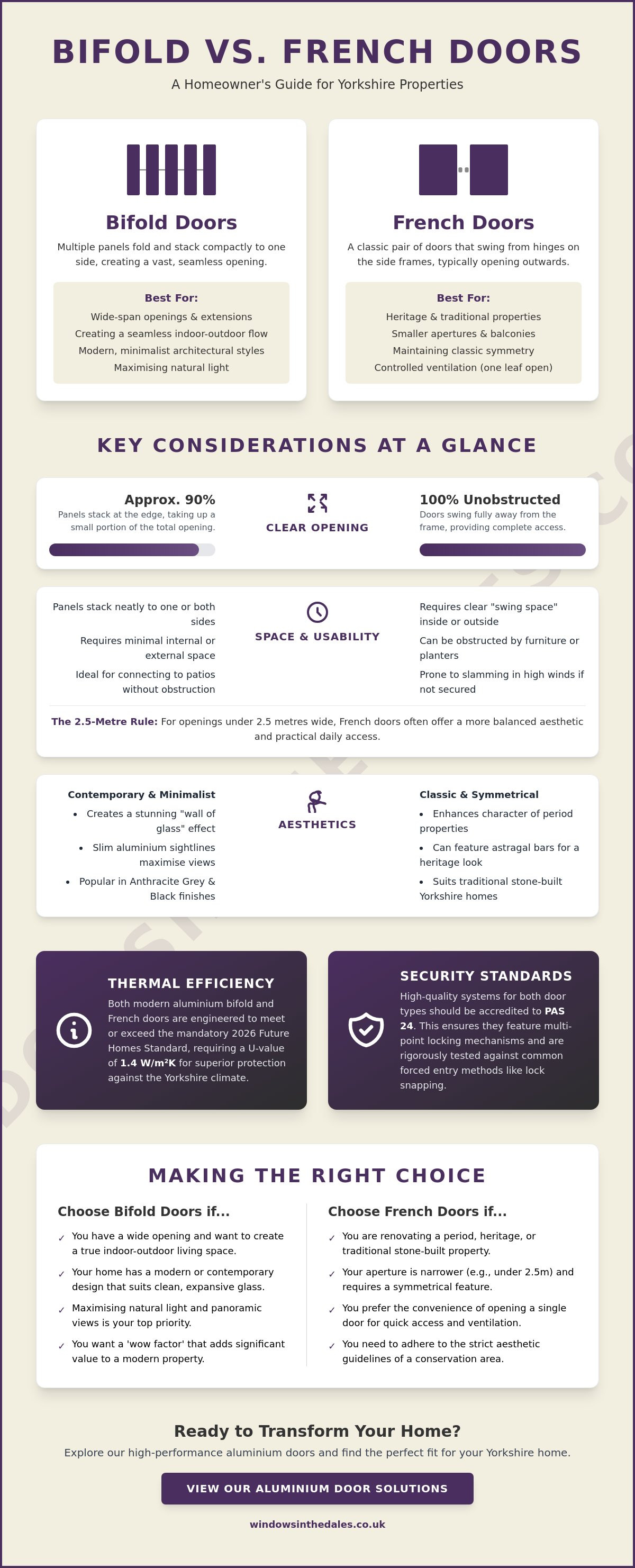
Understanding the Folding door history and definition reveals how these systems have evolved into the high-performance units we see today. One primary technical distinction is the "clear opening" capacity. French doors provide 100% access because the doors swing entirely away from the frame. Bifold doors generally offer approximately 90% access. This is because the folded panels stack at the edge of the opening. While this small loss of space is negligible for most, it's a factor to consider if your patio area is particularly narrow or if every centimetre of access matters.
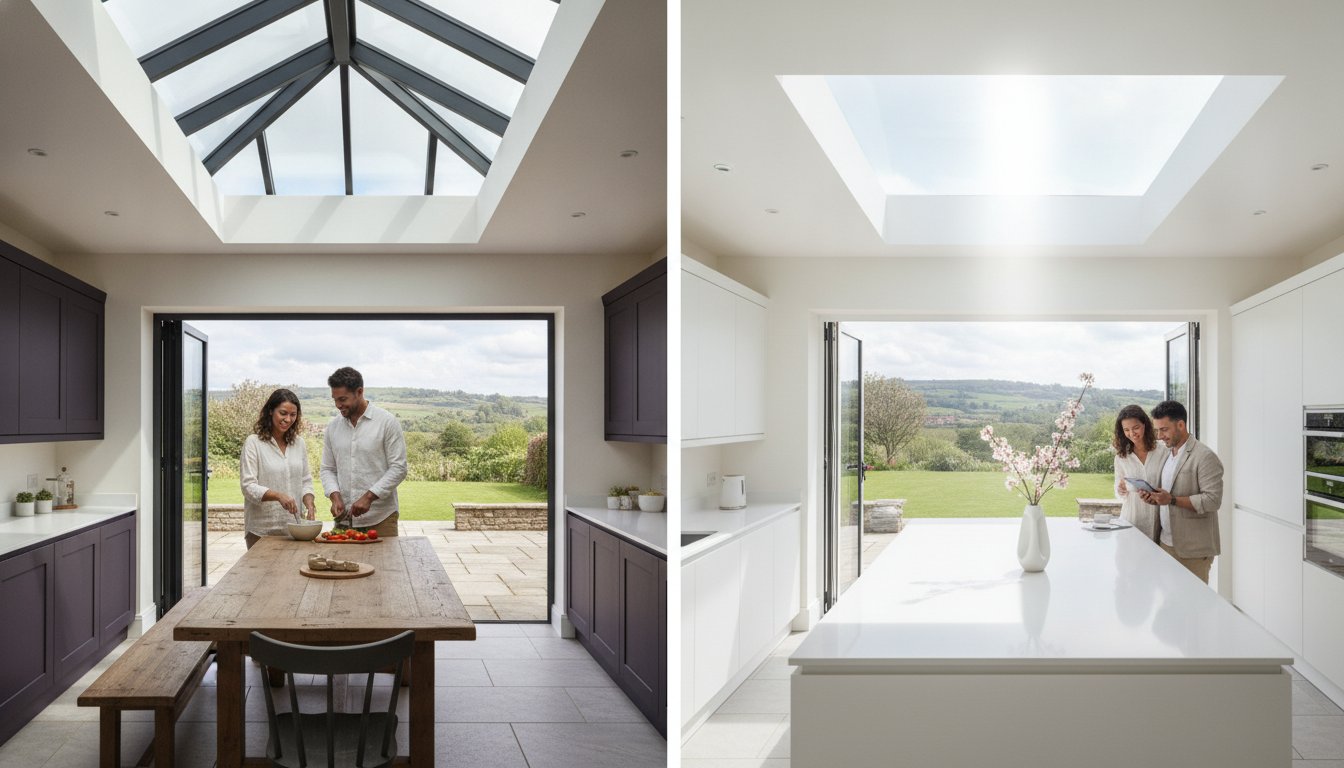
The 2026 evolution in architectural glazing has changed the conversation around sightlines. Previously, bifolds were often criticised for having "chunky" frames that blocked the view when closed. Modern aluminium systems have fixed this issue. These contemporary frames are now so narrow that they provide nearly the same glass-to-frame ratio as a standard French door. This allows for an uninterrupted view of the Dales even on the coldest winter days, ensuring your home feels connected to the landscape regardless of the weather.
The Timeless Appeal of French Doors
French doors are the definitive choice for heritage properties in York, Ripon, and Harrogate. They are ideal for smaller apertures where a grand entrance is preferred over a full wall of glass. These doors offer superb ventilation control. You can open a single leaf to let in the air without exposing the whole room. This symmetry respects the architectural roots of Victorian terraces whilst providing modern security and thermal performance.
The Expansive Nature of Bifold Doors
Bifold doors are designed for wide-span architectural projects and modern extensions. They transform solid walls into transparent boundaries, creating a seamless garden transition. The flexibility is a major advantage. You can choose exactly where the panels stack and designate a "traffic door" for easy entry and exit without folding the entire system. This makes them a practical choice for busy households that value natural light and open-plan living.
Aesthetics and Architectural Suitability for Yorkshire Properties
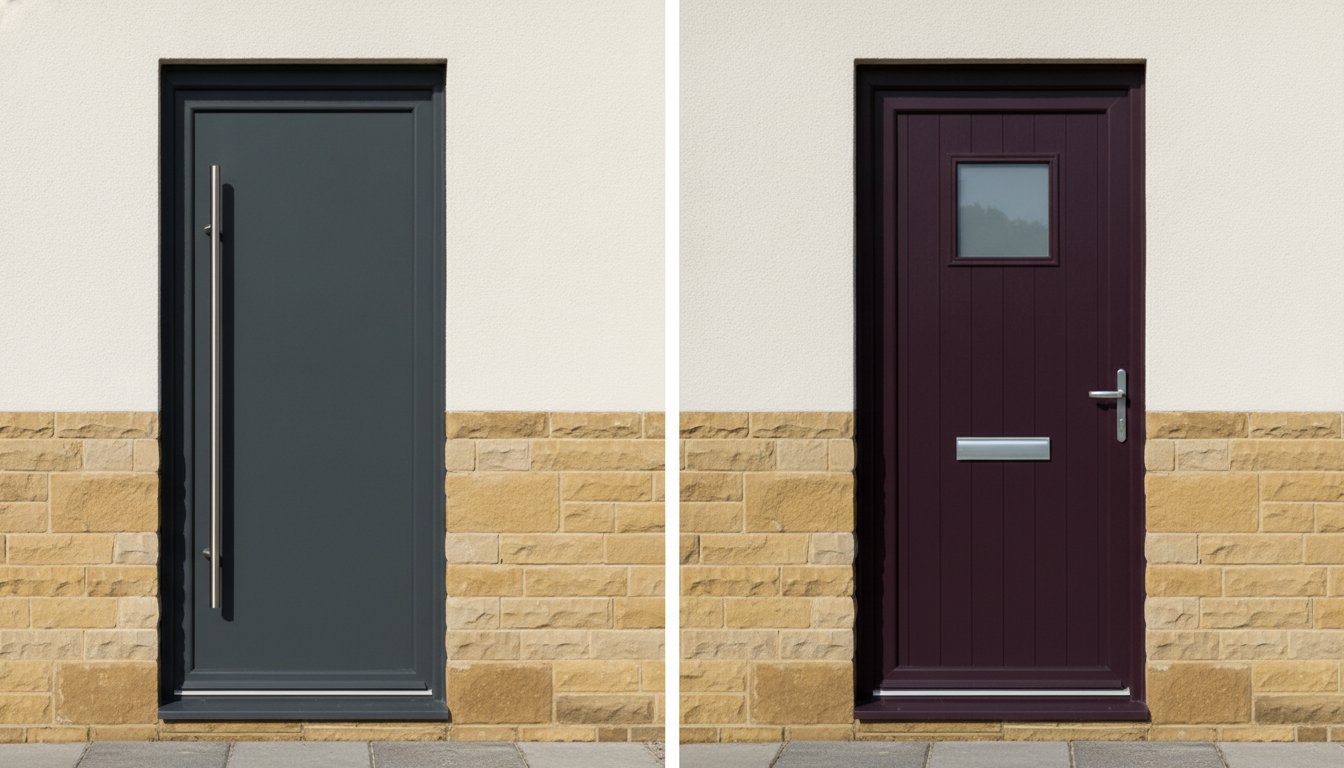
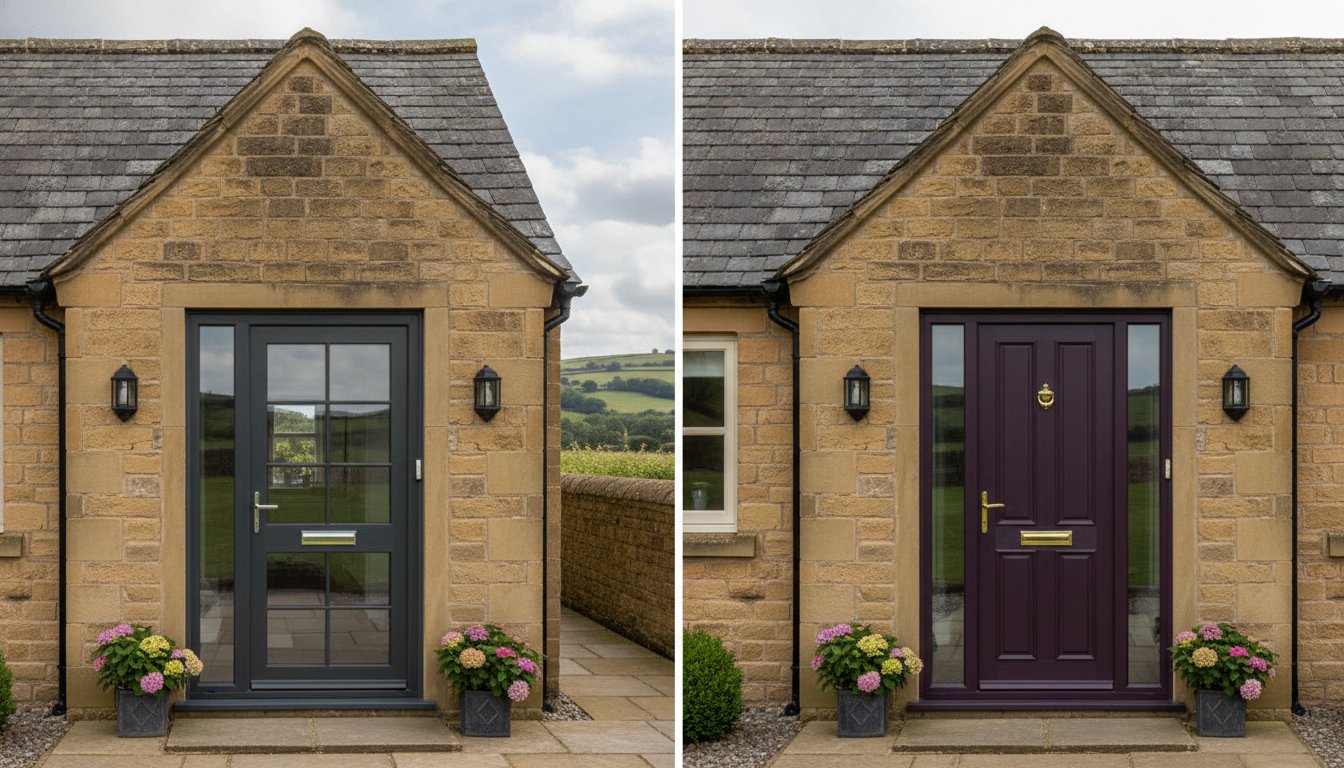
Yorkshire's architectural landscape is defined by its rugged gritstone and honey-coloured sandstone. When deciding between bifold vs french doors, the aesthetic success depends on how well the frames complement these natural materials. Anthracite grey and black have emerged as the regional favourites for aluminium frames. These deep tones provide a sophisticated, contemporary contrast to traditional masonry. They don't just look modern; they frame the view like a piece of art. Avoid low-cost uPVC imitations that can fade or warp against the stone. Quality aluminium maintains its integrity for decades.
The debate of bifold vs french doors often settles on whether you want to replicate a classic look or create a bold, modern statement. In urban centres like Leeds, industrial-style glass walls are transforming red-brick terraces into light-filled spaces. Steel-look glazing is particularly effective here. It offers the slim sightlines of heritage steel with the thermal benefits of modern energy-efficient doors. This style respects the industrial history of West Yorkshire whilst providing the comfort required for 2026 living standards.
Enhancing Period Character
French doors are often the preferred choice for Victorian and Edwardian properties across the Dales. They maintain the vertical symmetry essential to these period styles. Adding astragal bars mimics the look of original sash windows, ensuring the new installation doesn't feel out of place. This is crucial for homes in conservation areas where planning restrictions are tight. For those who want the look of timber without the maintenance, wood-grain aluminium provides a reliable solution. You can view our recent case studies to see how these designs preserve local character.
Maximising the View in Contemporary Designs
Contemporary designs in Harrogate and Ilkley often prioritise the horizon. Slimline bifolds are the preferred choice for new-build kitchen-diners because they minimise visual noise. By integrating aluminium windows with matching profiles, you create a cohesive architectural look. This consistency is vital for high-end renovations where the goal is a seamless flow of light. These systems do more than just open a room. They redefine the boundary between your kitchen and the garden, making the landscape a permanent part of your interior design.
Practical Considerations: Space, Furniture, and Daily Use
The spatial layout of your patio often dictates the winner in the bifold vs french doors debate. French doors require a dedicated "Swing Zone" to function. Each leaf typically needs a clear arc of travel of around 900mm. If you have a compact patio or a balcony, this requirement restricts where you can place planters or garden furniture. You must keep the path clear to avoid the doors striking your belongings. Bifold doors solve this by stacking panels neatly at the edge of the aperture. This configuration allows you to position internal sofas or external dining sets much closer to the glass, maximising your usable floor space.
Traffic flow is another vital consideration for your daily routine. Assessing bifold vs french doors requires you to think about how you actually use your garden. If you frequently pop outside to hang laundry or tend to the bins, a standard pair of doors is highly efficient. However, modern Aluminium Bifold Doors now offer a "Traffic Door" option. This feature allows one panel to operate independently, providing quick access without needing to fold back the entire system. While the Window & Door Manufacturers Association (WDMA) provides international benchmarks for hardware durability, the physical footprint of your doors remains a local, practical concern. Flush thresholds are also a popular choice for 2026 renovations. These create a level transition between your kitchen and the garden, removing trip hazards and offering a sleek finish that complements Yorkshire stone paving.
Managing Exposed Yorkshire Sites
The "Slam Factor" is a genuine risk in the wind-swept Dales; a sudden gust can catch an unrestrained French door leaf, potentially causing damage to the hinges. We recommend heavy-duty restrictors for any French door in an exposed location to prevent this. Bifold doors are inherently more stable in high winds because the panels are locked into a continuous track system. They simply cannot blow shut. For properties with steep patios or narrow balconies, inward-opening French doors provide a practical alternative that avoids external obstructions entirely.
Accessibility and Ease of Use
Modern engineering has significantly reduced the operational weight of large glass panels. High-quality aluminium frames are light yet robust, making even a six-panel system easy to glide. DDA-compliant low thresholds are a crucial addition for households with elderly residents or wheelchair users. These ensure that everyone can navigate the transition between indoors and outdoors with total confidence. Choosing a system with a dedicated traffic door ensures that quick trips to the garden remain effortless, even during the colder months when you want to keep the heat inside.
Thermal Efficiency and Security: Protecting Your Home in 2026
Protecting your home against the biting Yorkshire wind and modern security threats requires more than just standard glazing. As of 2026, the Building Regulations mandate a minimum U-value of 1.4 W/m²K for replacement doors. This standard ensures your living space retains heat effectively, but achieving it requires sophisticated thermal breaks. When comparing bifold vs french doors, the thermal performance often hinges on the quality of the seals. Bifold systems are more complex; they rely on a series of gaskets that must remain airtight even as the house settles. French doors offer a simpler sealing perimeter, which can be an advantage in extremely exposed Dales locations. However, high-specification aluminium systems for both door types now comfortably exceed these legal requirements, often reaching U-values as low as 1.2 W/m²K.
Security remains a non-negotiable priority for any homeowner. Data shows that lock snapping accounts for 25% of forced entries in the UK, so your choice must feature robust protection. We advocate for systems that carry the PAS 24:2016 certification and the Secured by Design seal of approval. This isn't just about the locks; it's about the entire door assembly's resistance to attack. For residents in busier urban areas like Sheffield or Bradford, the acoustic insulation provided by these thick, multi-chambered frames also serves to significantly reduce external road noise. Whether you choose the folding mechanism or the classic swing, ensure the glass is internally beaded. This prevents intruders from simply removing the glazing units from the outside. You can request a quote for 2026-compliant doors to see how these thermal and security standards apply to your specific project.
Beating the Yorkshire Chill
The structural stability of aluminium is vital for maintaining a weather-tight seal against heavy northern rainfall. Unlike uPVC, which can expand and contract significantly in changing temperatures, aluminium remains stable. This prevents the draughts that often plague lower-quality bifold installations. If your extension is south-facing, consider solar control glass to manage heat gain during the summer months. This ensures your glass-walled room remains comfortable throughout the year, rather than becoming a greenhouse in July.
Advanced Locking Mechanisms
Modern bifold and French doors both utilise multipoint locking systems that secure the frame at several points simultaneously. Bifold doors include additional anti-lift technology on the tracks. This prevents the panels from being levered out of their runners by a determined intruder. These technical features, combined with toughened safety glass, transform your patio doors from a potential point of weakness into a formidable barrier that protects your family and your investment.
Making the Choice: A Decision Framework for Your Renovation
Finalising your choice between bifold vs french doors requires a balance of structural reality and personal preference. The most reliable guide is the "2.5-metre rule". If your aperture is narrower than 2.5 metres, French doors are usually the most effective choice. They provide a clear opening without the stacking bulk of multiple panels. For openings wider than 2.5 metres, aluminium bifold doors become the superior option. They allow you to span large distances without the need for fixed pillars, creating that sought-after glass wall effect.
Value is often confused with the initial purchase price. Whilst uPVC options might seem attractive for a quick budget fix, high-grade aluminium represents a much better long-term investment. Aluminium frames are designed to last 40 to 50 years, nearly double the lifespan of standard plastic alternatives. This durability is coupled with a potential increase in property resale value of up to 5%. Investing in quality materials now prevents the financial risk of premature replacement and ensures your home remains thermally efficient as energy standards continue to tighten.
Your lifestyle habits should also dictate the design. Ask yourself if you prefer a wide-open breeze that completely removes the barrier to your garden, or if you value a framed, picturesque view. French doors act as a classic architectural feature that draws the eye to a specific part of the garden. Bifolds, conversely, make the garden an extension of the room itself. Regardless of your preference, a professional "Yorkshire fit" is essential for door longevity. Our regional weather doesn't forgive poor installation. A door that isn't perfectly plumb will struggle against Pennine winds and heavy rain, leading to unnecessary wear on the tracks or hinges.
The Final Verdict: Which Suits You?
Choose French doors if you own a traditional stone property or a Victorian terrace with a smaller opening. They preserve the historical integrity of your home whilst providing modern security. Choose bifold doors if you are building a contemporary extension or have a large aperture that overlooks the Dales. They maximise natural light and offer the ultimate flexible living space. You can explore our case studies to see how both styles have been successfully integrated into local Yorkshire homes.
Your Next Steps with Windows in the Dales
We begin every project with a professional survey to check your structural openings and ensure your chosen design is technically feasible. Our team is committed to high-quality workmanship across the region, from the centre of Leeds to the outskirts of Ripon. We take the stress out of technical compliance, ensuring your new doors meet all 2026 standards. Ready to transform your home? Request a bespoke quote today and let us help you make the right investment for your property.
Secure the Future of Your Yorkshire Home
Choosing between bifold vs french doors is about aligning your property's architectural DNA with your daily lifestyle. French doors offer a timeless, symmetrical gateway for traditional stone cottages, whilst bifold doors provide the expansive, light-filled transitions essential for modern extensions. Both systems now feature the high-specification thermal breaks and multi-point locking required to meet stringent 2026 Building Regulations. We specialise in Heritage and Aluminium systems that protect your investment against the harsh Pennine climate and modern security risks.
Our team provides expert local installation across York, Leeds, and Harrogate. It's our focus on consumer education and craftsmanship that helps you avoid common industry pitfalls. We ensure every frame is perfectly plumb for decades of reliable use. Whether you seek a picturesque framed view or a seamless garden connection, we deliver glazing solutions that add long-term value to your property. Get a Professional Quote for Your Yorkshire Door Installation and take the first step toward a brighter, more secure living space.
Frequently Asked Questions
Are French doors or bifold doors more secure in 2026?
Both door types provide exceptional security when fitted with modern multi-point locking systems and toughened safety glass. The key is ensuring the product meets PAS 24:2016 standards and carries the Secured by Design seal of approval. Bifold doors include anti-lift technology to prevent panels being levered from tracks. French doors rely on robust hinges and internal glazing beads. Neither is inherently more secure; the quality of the specific installation and hardware determines the protection level.
Which is more energy efficient: bifold or French doors?
French doors typically offer a slight advantage in thermal efficiency because they have a simpler perimeter seal with fewer moving parts. However, high-specification aluminium bifold systems now use advanced thermal breaks to easily surpass the 2026 Building Regulations requirement of 1.4 W/m²K. The total energy performance depends heavily on the glazing choice. Upgrading to triple glazing can reduce heat loss by a further 40% regardless of the opening mechanism you choose.
Can I have French doors that look like heritage steel doors?
You can achieve a classic industrial aesthetic by choosing "Steel-look" aluminium French doors. These systems use slimline profiles and authentic astragal bars to mimic the appearance of traditional heritage steel. This design is particularly popular for Victorian terraces in Leeds and Sheffield. It provides the iconic grid-like appearance of 20th-century glazing whilst offering the superior thermal performance and security of modern materials. It's a perfect blend of historic character and contemporary utility.
Do bifold doors require more maintenance than traditional French doors?
Bifold doors require a small amount of additional maintenance to ensure the bottom track remains free of debris and grit. A quick vacuum of the runner system once a month prevents the rollers from wearing prematurely. French doors are lower maintenance because they rely on simple hinge mechanisms. Both systems benefit from an annual wipe-down of the frames and a light lubrication of the locks to protect them against the damp Yorkshire climate.
What is the maximum width for a set of French doors?
Standard French doors are generally limited to a maximum width of approximately 1.8 to 2 metres. If your aperture is wider than this, you must either include fixed glass sidelights or switch to a bifold configuration. Pushing a French door leaf beyond 1000mm puts excessive strain on the hinges and increases the "swing zone" required on your patio. For wider openings, the folding mechanism provides a more structurally sound and practical solution.
Will bifold doors work in a traditional Yorkshire stone cottage?
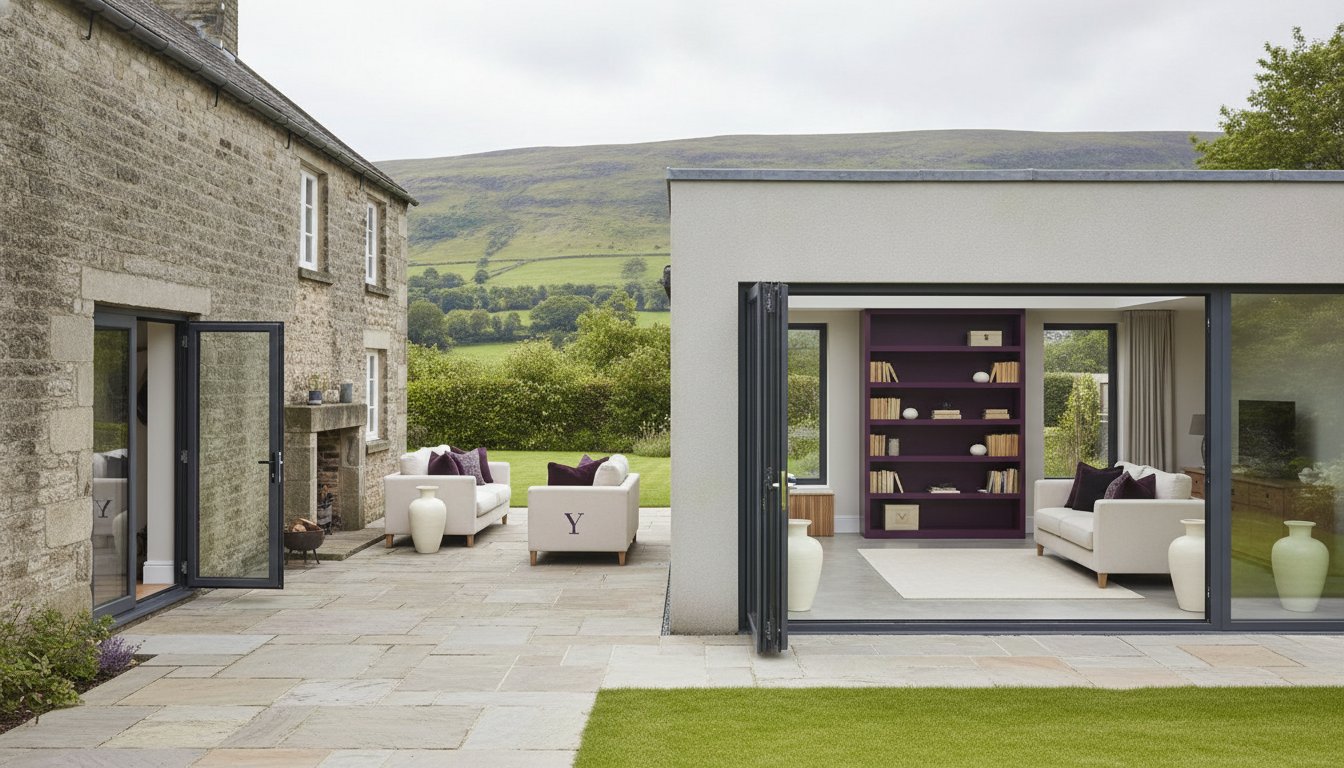
Bifold doors can work beautifully in a traditional stone cottage if you select the right finish. Choosing a textured anthracite grey or a wood-grain aluminium frame helps the modern system blend with the rugged texture of Yorkshire gritstone. Many homeowners in the Dales use bifolds to open up rear kitchen-diners whilst keeping the front of the property traditional. This approach allows you to enjoy contemporary open-plan living without compromising the cottage's historic kerb appeal.
How much do French doors cost compared to bifold doors?
French doors are generally the more affordable option for smaller openings. Industry benchmarks for a standard uPVC French door installation start from approximately £850, whilst aluminium bifold systems represent a larger investment due to the complex tracking and multiple panels. The total cost varies based on the number of leaves, the choice of glazing, and any structural alterations required. Choosing aluminium over uPVC typically increases the initial price but offers better long-term value through its 40-year lifespan.
Do I need planning permission to replace my patio doors with bifolds?
You generally don't need planning permission to replace existing patio doors with bifolds under Permitted Development rights. However, if you are significantly widening the original opening or if your property is located in a conservation area or a National Park, you should consult your local planning authority. Structural changes will always require Building Regulations approval to ensure the new lintel is safe. We always recommend checking with your local council in York or Harrogate before commencing work.